

Make it yours
Every experience is customised to be just right for you.
WILDLIFE VOLUNTEERING: THE RED FLAGS MOST PEOPLE MISS
Get the free guide
Phinda is one of the greatest success stories of African wildlife conservation and a trendsetter for modern wildlife management practices and research. Unlike many private safari reserves, most of the land is owned by the local community, which means everyone works together to protect the wildlife, and everyone benefits from the success.
Having previously been a patchwork of degraded farms, the land was returned to the local community (Phinda means ‘the return’ in Zulu) and converted to a wildlife conservancy. This community engagement, combined with a dedicated team of professional conservationists, has led to incredible success in managing thriving populations of rhino, lion, cheetah, elephant, pangolin and many other species. In fact, animals from Phinda are now helping to repopulate other regions in Africa.
Joining the research team, you’ll be part of this amazing story and support the management of the reserve’s thriving wildlife populations. You’ll also have the chance to monitor black rhino as part of the WWF Black Rhino Range Expansion Project.


Joining the wildlife management team at Phinda, you’ll experience life behind the scenes in one of the most successful wildlife conservancies in South Africa and get insights into wildlife conservation that go far beyond the usual tourist experience.
You’ll contribute to the project team's vital conservation work. Depending on the priorities at the time, you could find yourself monitoring species such as lions and pangolins, measuring changes in elephant herd size, or observing a wildlife vet treating an injured cheetah.
Phinda’s success with anti-poaching means its growing rhino population is successfully being used to establish new populations across Africa. You’ll support the management of this critical rhino population and deter poachers through daily monitoring, and may observe or assist with periodic horn trimming.
In partnership with the Endangered Wildlife Trust (EWT) Cheetah Metapopulation Project, Phinda is working to ensure the long-term survival of these amazing predators. As a volunteer, you’ll support the project’s work to establish viable cheetah populations across a network of wildlife conservancies.
Phinda means "the return" in Zulu. Not only because wildlife have returned to the land, but a significant portion of the land has been returned to its ancestral owners. This is one of the most successful transitions of land and a true conservation success story.
Phinda’s team aren’t safari guides, they’re professional ecological monitors. Together, they carry an array of masters degrees and other natural sciences qualifications - and they’re passionate about sharing their knowledge and expertise.
Phinda works in partnership with the WWF, EWT, Panthera and the African Pangolin Working Group. Joining this project, you’ll support the long-term goals of these major international conservation organisations.
Phinda is situated within one of the world’s biodiversity hotspots known as the Maputaland Centre of Endemism. Boasting an unusually high number of unique species and rare ecosystems (including a critically endangered sand forest), it is an area of global importance for wildlife conservation.
You’ll get involved in every aspect of project life. Depending on the monitoring and conservation priorities at the time, this will include a range of the following activities.
To maintain the perfect balance of species within the reserve, Phinda’s conservationists keep a close watch on population numbers.
You will get to observe and assist:
You could also observe or assist:
Careful management of the wildlife is vital to Phinda’s conservation success and is scheduled at certain times throughout the year. Depending on the work that comes in and the requirements of the project, you could observe, assist or gain insights into:
You’ll learn about wildlife behaviour, biology, ecology, and conservation issues. Depending on the project’s work at the time, this will include a range of the following topics.
This project contributes to a variety of the UN’s Sustainable Development Goals. As part of the team, so will you.
The content of this publication has not been approved by the United Nations and does not reflect the views of the United Nations or its officials or Member States.
The land at Phinda is part-owned by local communities who are involved in the decision-making processes around how the land is managed and profit from the economic resources the reserve provides.
The project supports education by building learning spaces and paying teacher salaries. Phinda also facilitates a weekly school trip where kids from different schools in the neighbouring communities go on a game drive and learn about conservation.
All learners have access to the same standard of education regardless of sex and background.
Phinda provides equal employment opportunities and women hold key leadership and decision-making roles. The centre also offers equal volunteering opportunities for women and men from outside the local community.
Phinda is increasing access to safe, affordable drinking water to local communities, with an on-reserve water filtration system and an innovative rainwater collection system for emergencies.
Phinda is also improving access to equitable sanitation by constructing washing facilities at schools and nurseries in the local community.
Phinda routinely employs young people between 15 and 24 and provides equal employment opportunities for local men and women. Volunteers provide both economic and physical support, which directly contributes to the protection of all the species in the reserve.
Due to the joint community ownership of the land at Phinda, the local community is empowered by decision-making processes at the reserve. While Phinda requires participants to pay for volunteering, they offer a reduced rate for South Africans to promote the inclusion of local people through their Bateleur Club.
Phinda builds sustainable and resilient buildings using materials that are locally sourced from within South Africa. The project also protects natural heritage through the conservation of iconic African species.
Phinda promotes responsible tourism in a variety of ways: through the creation of local jobs; via community work that sustains local cultures; by educating international and local visitors how to live in harmony with nature; and in its vital conservation work.
In addition, an on-site bottling plant has removed plastic water bottles from the lodges, and there is a community-run recycling project that sorts reserve waste. The project is also currently working on a phased solar project.
Phinda takes urgent action to halt biodiversity loss and prevent the extinction of threatened species. By monitoring and protecting a vast area of land that enables large animal populations to thrive, the project prevents the degradation of ecosystems in which these species play a crucial ecological role.
The reserve is a protected habitat where flora and fauna are allowed to flourish. The team at Phinda have been very successful at removing invasive species and promoting indigenous fauna and flora, and continue to control and prevent the establishment of alien plants.
Phinda is well guarded by expert anti-poaching units. In combination with community vigilance, they have stopped poachers from being active within the reserve and eliminated the unethical practices associated with their activities.
Through Phinda’s partnership with us, they draw in financial resources that are used to fund conservation and provide support to their community partners in South Africa.
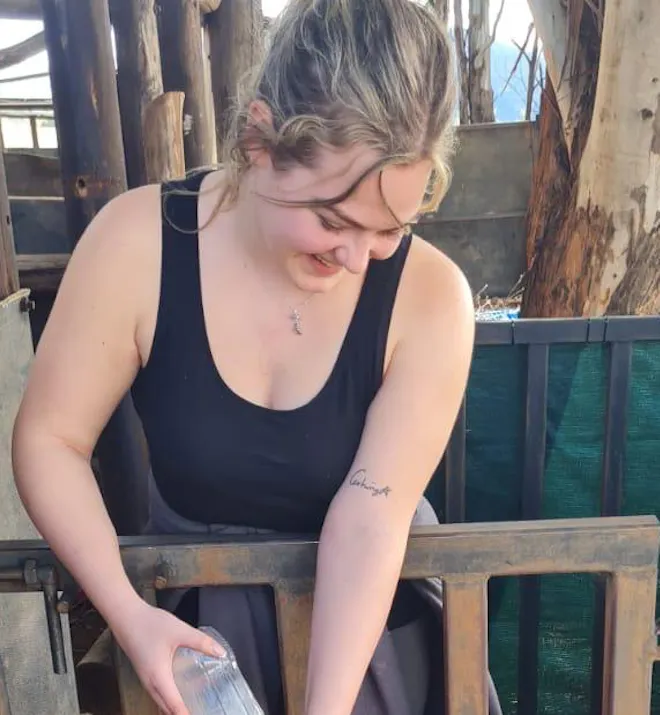
I couldn’t recommend ACE enough; they were totally incredible and found the perfect projects for me. Even though it was hard work, with some days harder than others, early mornings, late nights, and having to be ready for unexpected changes to plans, it was so rewarding, and I cannot wait to be back. My heart is full!
Read Lydia’s Story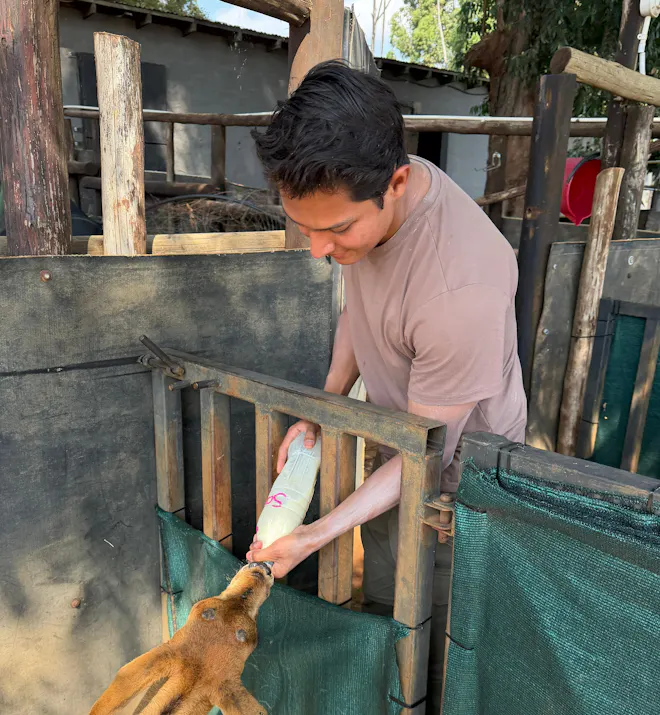
I experienced things I never imagined I would, and made memories that will stay with me forever. I would absolutely recommend this experience to anyone interested in conservation, wildlife, or adventure.
Read Rodrigo’s Story
To anyone who is even thinking about doing something like this, please do it. It will change you in the best possible way.
Read Paige’s Story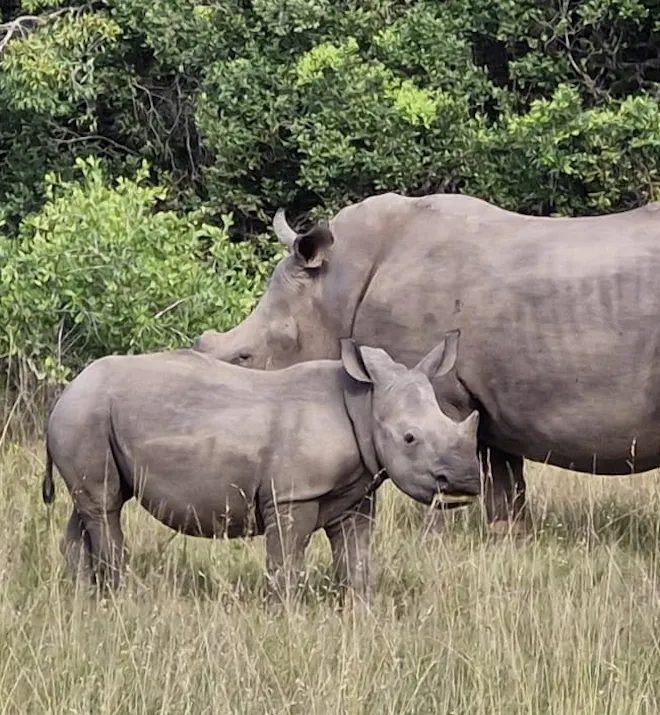
I would tell anyone who is nervous that they should just do it. I had never done anything remotely like this before and am so glad I just went for it!
Read Luis’s Story
Being on-site at Phinda was amazing. It was the perfect balance of being well programmed but open enough for any last-minute adventures too. I particularly loved the hands-on experience, it was amazing!
Read Suzanne’s Story
My trip has definitely helped me think about what type of career I want to pursue, and got me excited for a future in conservation!
Read Leela’s Story
I genuinely felt I couldn't have planned a better trip myself. One thing that surprised me was the flexibility on offer, the ability to combine different projects and tailor the length of each stay was something I hadn't anticipated.
Read Timothy’s Story
Each day unfolded with its own quiet miracles, 'wow' moments that surprised, astounded, and gently overwhelmed us in the best possible ways!
Read Di’s Story
Before I came to South Africa, I thought I knew what conservation looked like. I’d seen the documentaries and imagined the big wildlife moments. But volunteering with African Conservation Experience showed me something very different and much more real.
Read Cindy’s Story
I spent hours reading through the website, project pages, and testimonials, each one more inspiring than the last. Even so, nothing could have prepared me for just how life-changing the next six weeks would be. From the lush wetlands of the Okavango Delta in Botswana to the wildlife rehabilitation centres and research projects of South Africa, every single stop on my journey was unforgettable!
Read Allison’s Story
I really enjoyed both the educational and the social aspects. I made lifelong friends and learned so much.
Read Adriana’s Story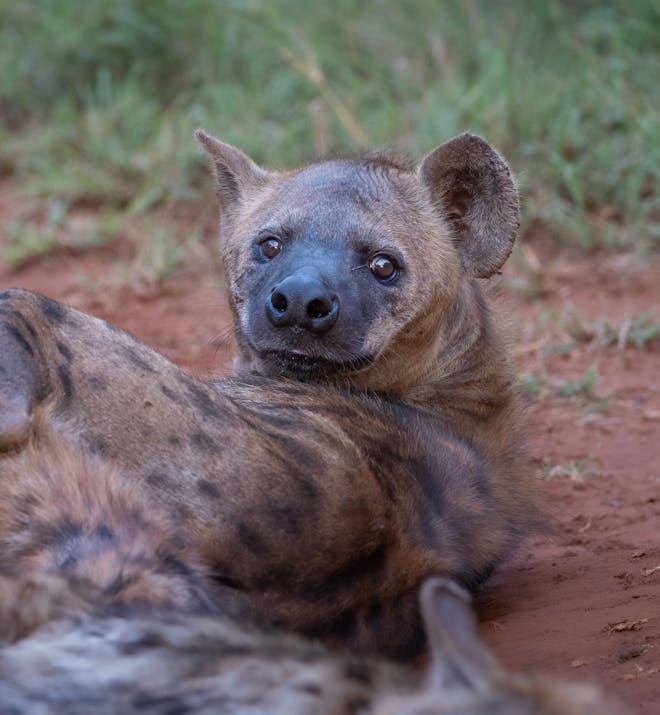
From our very first call with the team, it was obvious that this wasn’t going to be anything like a typical safari experience. ACE offers something much deeper - the chance to actively take part in genuine, impactful wildlife conservation work alongside professionals in the field.
Read Edgar’s Story
Visiting all three projects was an extremely worthwhile experience. I got to understand the differences between all three settings on a deeper level, from Phinda’s well-managed and fenced reserve, to the vastness of the Greater Kruger, to the remote expanses of the Okavango.
Read Maxim’s Story
My first trip with African Conservation Experience (ACE) was only two and a half months ago and I knew I needed to go back, but this time was completely different
Read Isabella’s Story
I always had this idea of what conservation looks like and how it should be done. After this trip, I walked away knowing that there is no singular right way to do it. There are many people doing different things, and combined, they all work together towards a better life for the natural world.
Read JB’s Story
I was born in South Africa, and we emigrated when I was very young. I wanted to come home, and this was one of the ways that I could do it. If you want a once-in-a-lifetime experience, then this is what you do.
Read Michelle’s Story
I can't wait to come back. I already have an idea of which projects I would like to visit next… but Phinda will be the first project I come back to. I cannot recommend travelling to Africa enough!
Read Kristine’s Story
It truly was the trip of a lifetime – and maybe just the start!
Read Lee’s Story
This trip has left me even more motivated to pursue a future in zoo-based conservation. This was more than just a volunteer trip; it was a real turning point for me, both personally and professionally. I’m so grateful to ACE for making it happen.
Read Cara’s Story
As an avid photographer, I loved being able to take so many incredible photos and fitting so many animals in one frame! The most unbelievable sighting of this project was a herd of over 100 elephants walking towards us as they were grazing.
Read Isabella’s Story
I was constantly amazed by the wildlife encounters that we had, and also surprised myself by how quickly I adapted to being out in the bush.
Read Cheryl’s Story
This was a trip of a lifetime and I am so thankful I made the decision to do this. If you are unsure about travelling - don't be. Just do it. You will be so glad you did!
Read Ash’s Story
As a travel and hotel professional I have high standards. I know how important planning and logistics are and ACE are true professionals. Booking is so easy, and the call with the consultant was so helpful. This was a dream come true - and I loved every minute!
Read Rhonda’s Story
The whole experience was amazing, everything from the people to the experience itself, to the jobs we were doing. If I had to use one word… it would be life-changing!
Read Tyler’s Story
If you’re passionate about wildlife conservation in Southern Africa and want to be part of a project that has a genuine, lasting impact, reach out to ACE.
Read Kay’s Story
I was able to get up close and personal with the animals. I stepped off the beaten track and was exposed to the work the rangers do.
Read James’s Story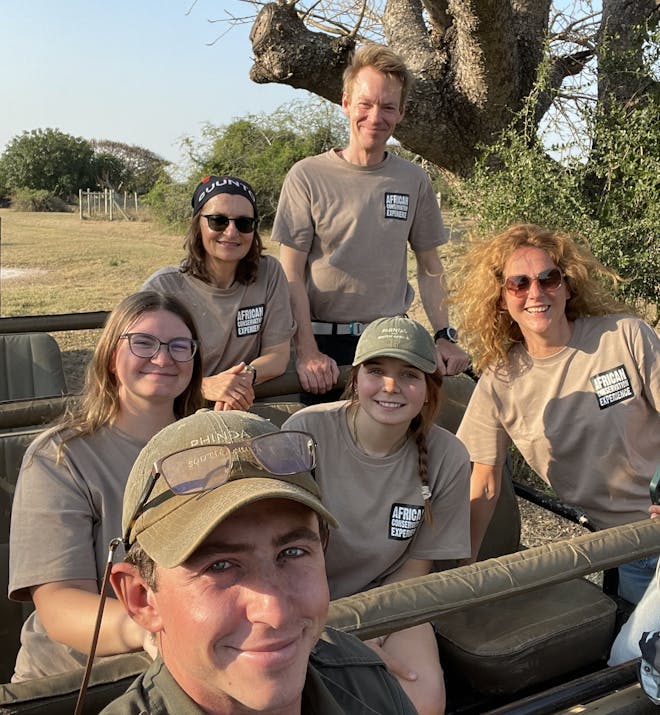
There's something for everyone at Phinda - whether you love birds, mammals, plants or ecosystems, you won’t be disappointed!
Read Jenna’s Story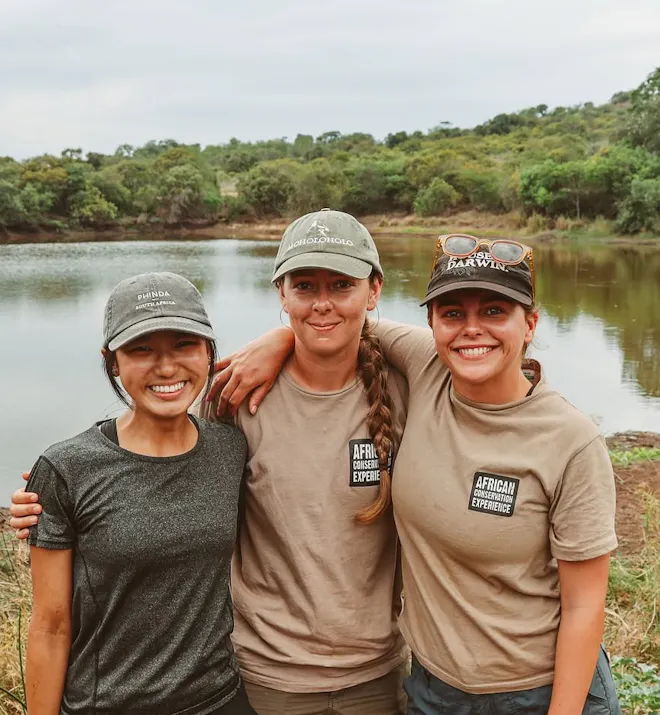
I had dreamt of travelling to South Africa my whole life. I arrived full of idealism and left completely transformed.
Read Ellie’s Story
I left South Africa with a real sense of fulfilment, knowing that my efforts contributed to an important cause. For those with an interest in conservation and a readiness to get involved, I highly recommend ACE!
Read Nicholas’s Story
I can't recommend ACE enough to anyone who is interested in travelling with purpose and wants to contribute while being hands-on with wildlife conservation.
Read Sam’s Story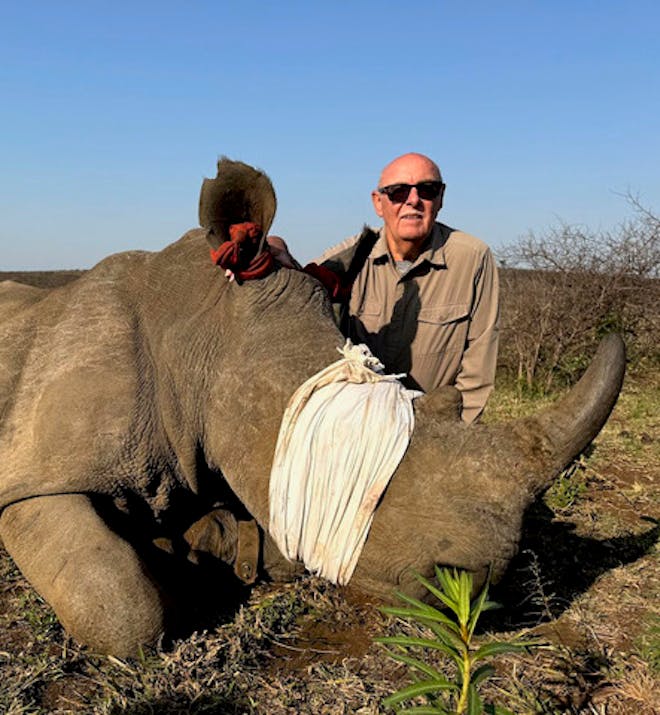
ACE are a remarkable organisation in finding ways of supporting conservation while matching the desires of those who would like to enjoy the experience of working within a game reserve.
Read Maurice’s Story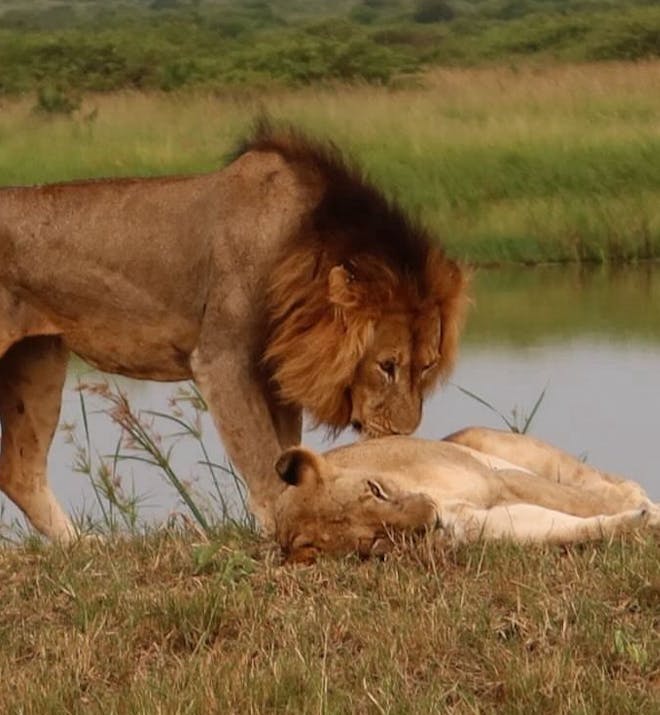
I highly recommend volunteering with both Phinda and ACE! I am looking forward to returning in the future.
Read Sarah’s Story
I would not hesitate to travel through the African Conservation Experience again. We hold ACE’s recommendations in high regard, and any chance to replicate our wonderful time at Phinda would be perfect!
Read Mark’s Story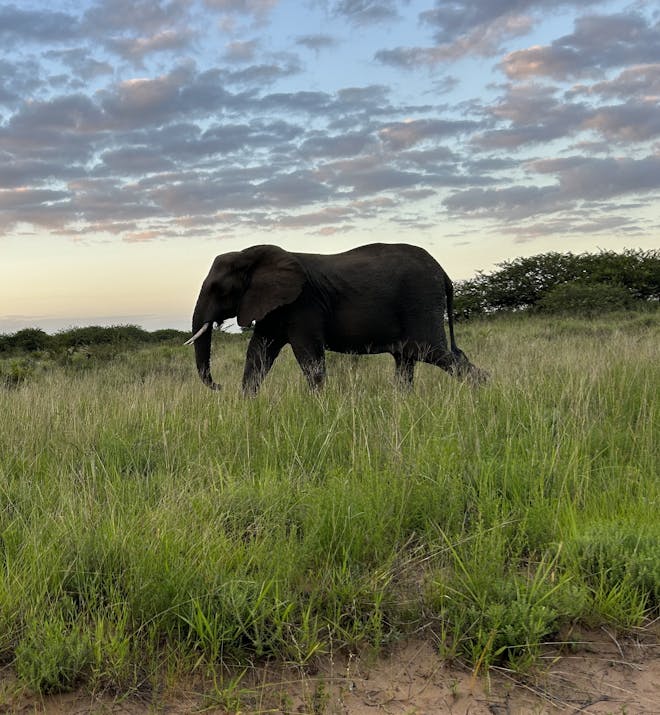
I gained a first-hand understanding of the amount of effort and time that goes into monitoring different species to ensure they remain healthy and genetically viable.
Read Alice’s Story
My boyfriend and I went on a two-month experience with African Conservation Experience (ACE) and we had such an amazing trip! ACE were super easy to get in contact with during our experience and the team did such a good job at planning our trip and making us feel welcome throughout.
Read Emilie’s Story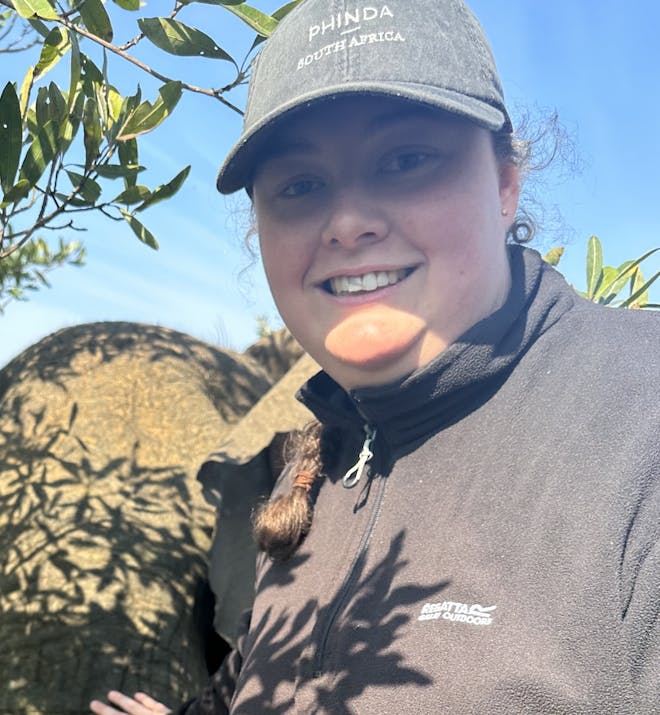
It was truly a privilege to work with the amazing team at Phinda. They were so inspiring, dedicated and willing to share their knowledge with volunteers.
Read Laoise’s Story
Everything impacted me whilst I was there and I have grown as a person.
Read Rachel’s Story
There are plenty of opportunities to learn, get an understanding of how things work, meet incredible people, get in touch with nature, and have breathtaking moments with the wildlife.
Read Nathalie’s Story
It was clear that the money that was being spent was going to the right places, so it gave me the confidence that the experience would be something that I was looking for.
Read Jesse’s Story
I felt safe at every project and made friendships with staff members and other volunteers that have lasted until this day. I would highly recommend volunteering through ACE at these projects!
Read Payton’s Story
The whole experience with ACE has made me realise that I want to go into wildlife conservation whether it's based in the UK or internationally.
Read Rebecca’s Story
I would recommend volunteering with ACE, as it was valuable to be able to speak with the staff on the phone before booking, to hone in on which projects I would be most interested in. From this, they tailor your trip to what you're looking for and what your needs are.
Read Stephen’s Story
ACE definitely exceeded my expectations, I knew it would be well organised but I didn't realise just how organised they really were - everything was perfect!
Read Robyn’s Story
Remembering our fantastic hands-on experiences, how well we were looked after by ACE, and knowing that our donations have gone to worthwhile projects just keeps us coming back.
Read Marc’s Story
The level of support I received from ACE was great. I went to four different projects and I was completely looked after. The whole ACE team is always there for you!
Read Katherine’s Story
I’ve always found it difficult to pinpoint a favourite part of anything, and with an experience like this I find it even harder. I truly loved every part of the trip as it offered such a wide variety of experiences.
Read Karl’s Story
I’ve seen so much, but I think the first moment of seeing that hyena on our second night, while eating in the camp, with it only being a few metres away from my tent, was really special.
Read Floris’s Story
Right at the beginning, there was someone waiting for us at the airport, which was really nice. All of the flights were organised, everything was really good with the transfers – we knew where and when we were going to get picked up. All easy, very easy, no stress at all!
Read Lara’s Story
The consultation and booking process was really personal and efficient and ACE made it easy for me to select the right projects. They are caring experts!
Read Sam’s Story
Everything at ACE was very well organised and they took care of all the travel arrangements within the areas to the smallest details.
Read Frances’s Story
ACE gave me a once in a lifetime experience and so many memories that I will never forget.
Read Douglas’s Story
I would discuss my thoughts and plans with the ACE team and they helped to advise me on which projects would be best for a more comprehensive understanding of wildlife industries, which will go on to help me in the future. Whilst in South Africa, I was able to contact the ACE team 24/7.
Read Siske’s Story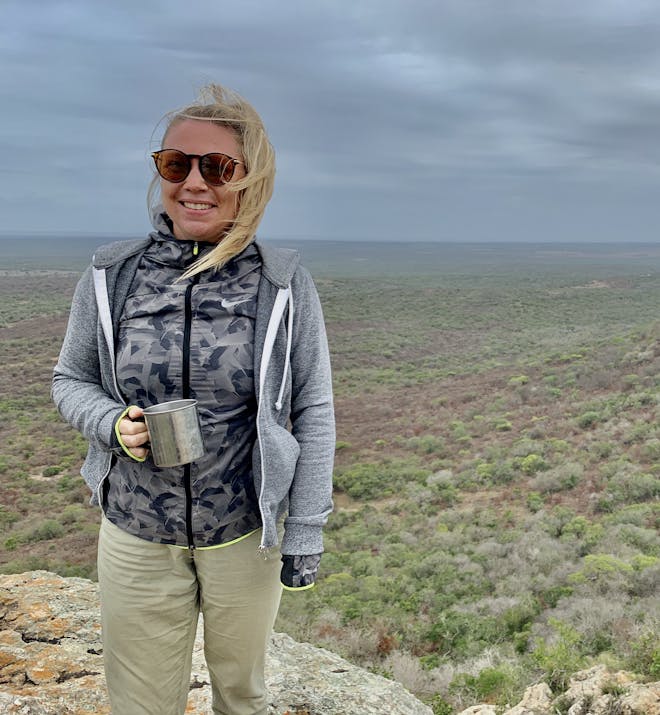
If you are thinking about going, go! It is life-changing and it’s amazing to see how professional and dedicated everyone is on the project sites. To work with all kinds of people all around the world and to learn so much about the situation in Africa around the wildlife is fantastic.
Read Maartje’s Story
We had some very exciting close encounters with animals too. We helped track a particular black rhino, checking on its location the previous two days and then on the third day a helicopter was brought in and the vet darted it so that new ear and leg trackers could be fitted.
Read Rebecca’s Story
Each morning, there was always a challenge: finding the elephant who had an infection on his leg, or another elephant who had teeth surgery.
Read Christine’s Story
Although I was only able to spend a short time at Phinda, I am so happy that I got to be a part of the incredible efforts and learn so much about Africa and its wildlife.
Read Kaden’s Story
Coming back to camp from driving around the Okavango Delta logging animal and predator tracks only to find a whole herd of elephants grazing next to our camp was a highlight.
Read William’s Story
We were amazed at how many cheetahs were visible not far from the road going through the preserve. We were also fortunate to participate in a cheetah de-collaring.
Read Carol’s Story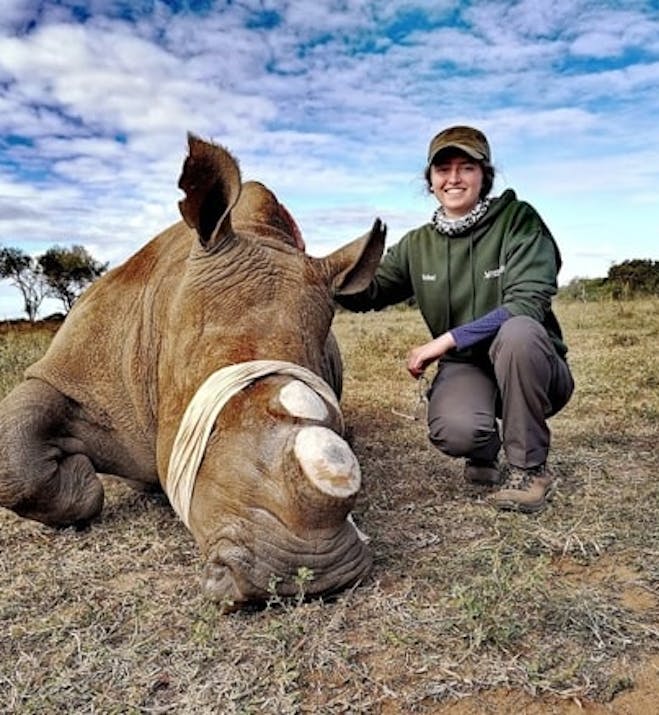
You won’t regret going to Phinda Private Game Reserve, and you won’t regret going through ACE.
Read Isobel’s Story
You can expect to see a huge range of wildlife on a regular basis and most drives are about tracking various species, notably the major predators, elephant and rhino!
Read Ian’s Story
We learn so much about ourselves and about the world when we travel. ACE ensured that my daughter’s first experience of travelling abroad on her own was amazing! I have no doubt that she will treasure the memories forever and the experience will give her the confidence to try new experiences in the future.
Read Gabriella’s Story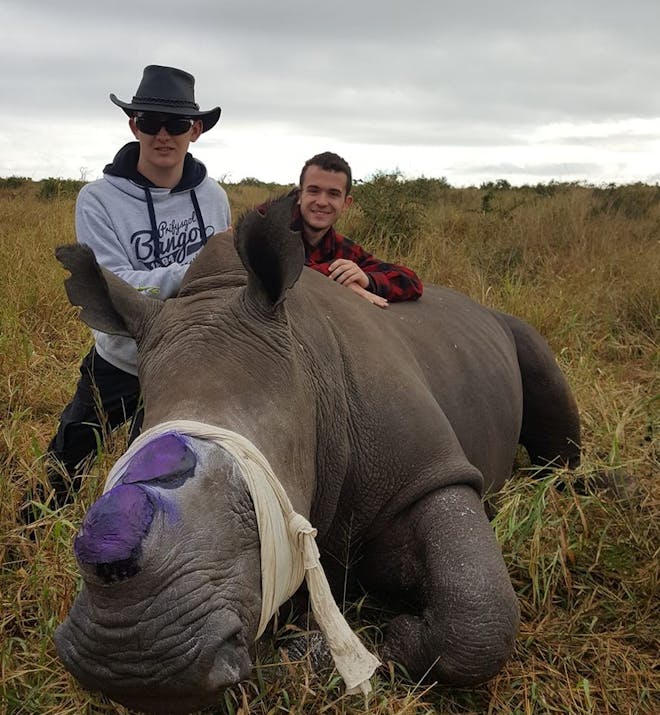
Would I say that the experience changed my life? Absolutely. You learn life skills and gain confidence you never thought you could in these experiences, and that is something I, personally, cannot thank the ACE team and the team I worked with in Phinda enough for.
Read Pierce’s Story
I cannot put into words everything that I saw or did, for the trip seemed to pass in a blur of unforgettable experiences, each day better than the day before. The wildlife, the people, the place became home, and the hardest part of the trip was leaving.
Read Kate’s Story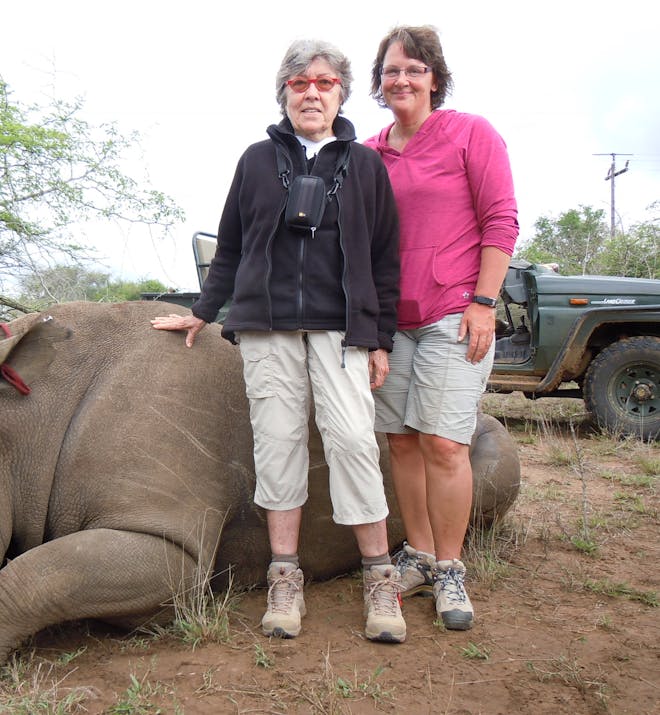
Phinda was my third time with ACE and I am 77 years old! If you really want to be a volunteer with wild animals in Southern Africa, please contact ACE. They're great.
Read Myriam’s Story
My experiences at Phinda were absolutely insane, I could never have imagined they would be as good as they were!
Read Victoria’s Story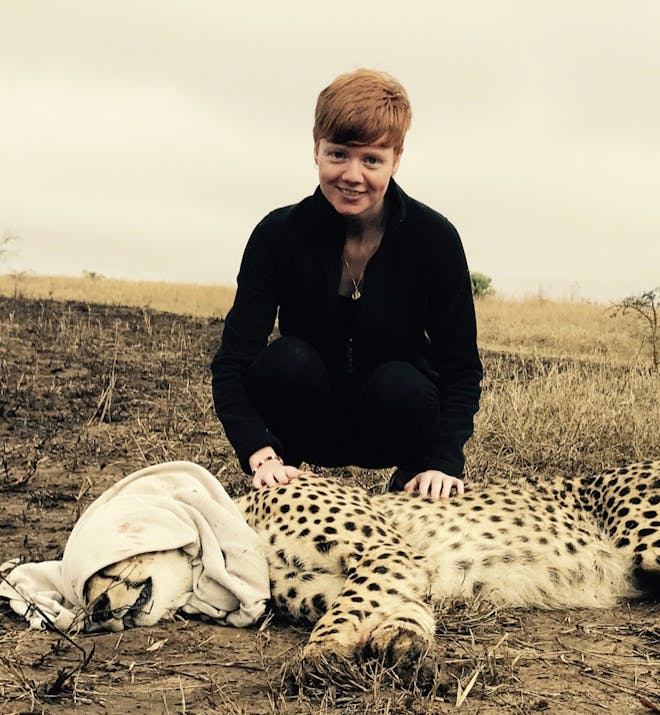
Being able to work so closely with rhinos was incredible at Care For Wild Africa, whilst Phinda was one of the best experiences of my life.
Read Jessica’s Story
My experience at Phinda, in three words, was wonderful, unique, and enriching. The team from the researchers, ecologists, logistic, back-office, and our dear volunteers were all great people and supportive, and helped make my journey wonderful.
Read Jean-Christophe’s Story
ACE's continuous support made me feel like I was in very safe hands, particularly as it was my first time venturing beyond Europe. My time with ACE surpassed all expectations, and I feel that I am really fortunate to have experienced this first-hand.
Read Isabelle’s Story
To truly get a feel for just how special a place Phinda is you must go and experience it for yourself - you won't regret it.
Read Rebecca’s Story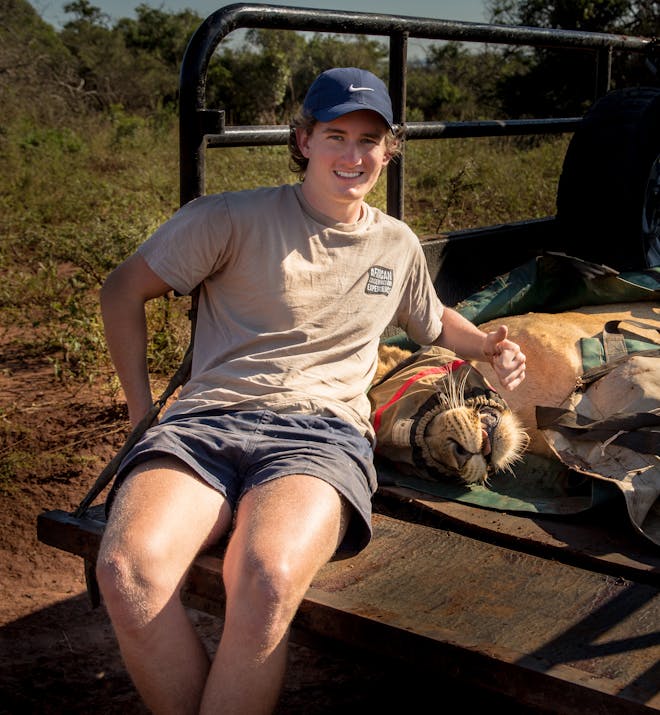
The ACE team and the Phinda locals have provided me with memories that will last a lifetime and an endless amount of stories that I will forever treasure!
Read Connor’s Story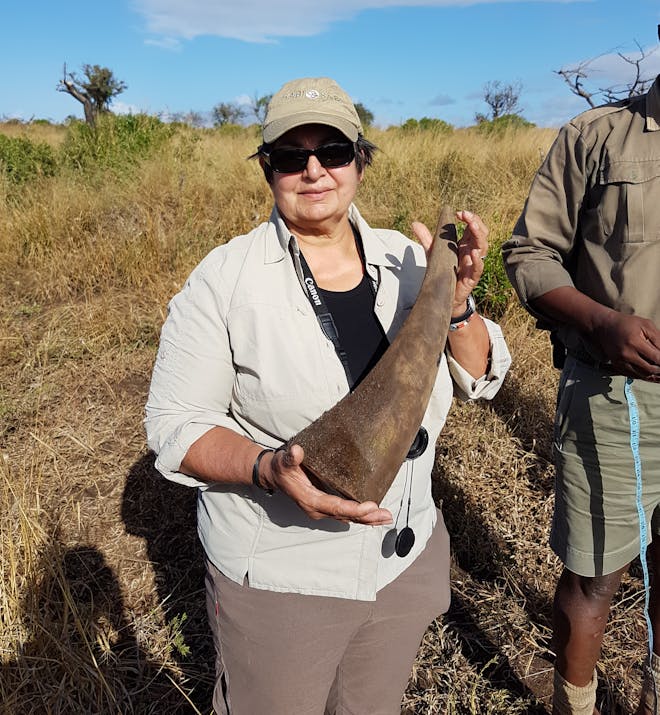
African Conservation Experience has given me the opportunity to be part of dedicated teams helping preserve wildlife and its habitat. It has been a wonderful experience and I will continue to volunteer my time to conservation programs.
Read Jennifer’s Story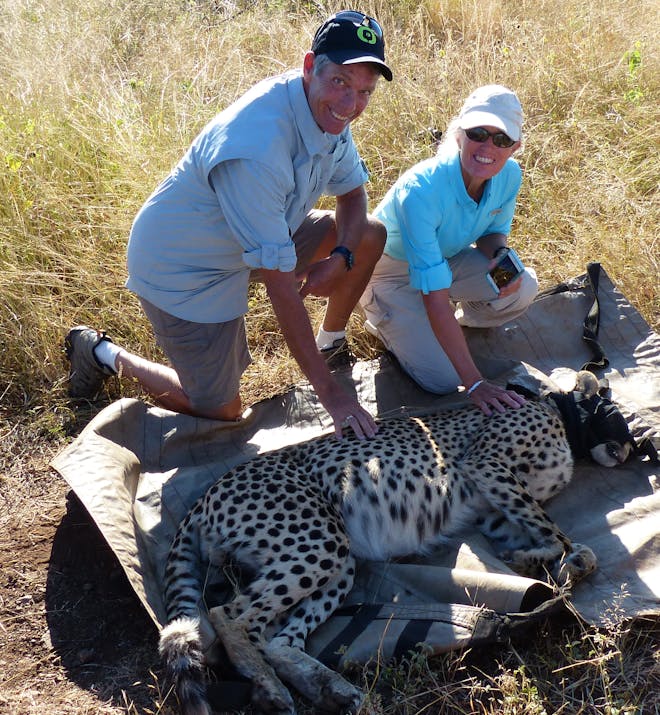
At Phinda our lives were enriched by the knowledge of our team leader in the many facets of wildlife management, whilst working with the wildlife veterinarians at Shimongwe was AWESOME. We were able to be a part of a team capturing wild animals for medical treatment, ID chip placement, and relocation.
Read Marc’s Story
I could talk for hours and hours about the many adventures I was lucky enough to undertake during my placements with ACE, I still haven’t finished telling my friends and family everything! The amazing sense of accomplishment and pride I feel whenever I look back at what I’ve learnt and been privileged to be a part of is unfathomable.
Read Daniel’s StoryRelated experiences
Explore programs similar to this one.
Visit three different projects in two countries to truly understand wildlife conservation in Africa
View details for From Famous Kruger To Remote OkavangoExplore a variety of animals in the Okavango Delta, home to the largest elephant population on Earth
View details for Okavango Wilderness ProjectGet a unique behind the scenes experience in one of the largest and most important conservation areas in Africa
View details for The Vikela Kruger Conservation ExperienceGo off the beaten track in a remote bush camp, and monitor lions, elephants and raptors
View details for Umsele Field Conservation Project - In Partnership With Balule & EWT
Southern Africa’s original conservation travel company
We are qualified zoologists and conservationists

Customised experiences and care from start to finish
Our own support and operations team in Africa
Empower vital conservation initiatives