

Make it yours
Every experience is customised to be just right for you.
WILDLIFE VOLUNTEERING: THE RED FLAGS MOST PEOPLE MISS
Get the free guide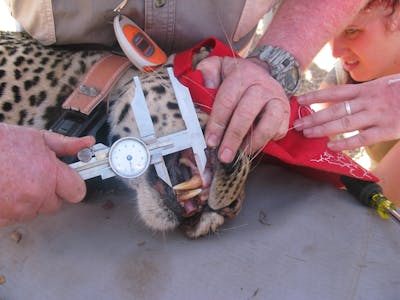
Join the day-to-day activities of experienced wildlife vets, working up close with a range of iconic species, in some of Africa’s most abundant wildlife areas.
Depending on the cases at the time, you may find yourself in unpredictable situations having to think on your feet. This could involve assisting in the capture and relocation of wild animals supervised by an expert team, learning how the vet darts animals, or helping with disease prevention and pregnancy testing in the field.
Depending on your goals and interests, we’ll pair you with an individual or team of vets to give you the best possible exposure to the skills and experiences you’d like to gain.


Our vet groups range in size from two to ten people, which means you’ll have a personalised experience assisting some of Africa’s most respected wildlife vets in their day-to-day work.
From rhinos and lions to giraffes and kudus, you’ll have the chance to work on and learn about cases involving species, diseases and treatments that are unique to Africa.
You may assist the vet’s team during animal darting or learn how to handle a dart gun. While an animal is immobilised, you’ll be responsible for important tasks like monitoring heart and breathing rates.
You could actively participate in clinical veterinary procedures in the field on a wide array of species. Depending on the case, this may include sterilisation, diagnosis, cutting, stitching, setting bones, as well as learning how to immobilise large animals and test for diseases.
Vets are the first line of defence in key conservation issues like maintaining genetic diversity and disease management. You’ll assist the vets with management and clinical procedures that support the long-term survival of iconic species.
You’ll only work on real cases that are in the animal’s best interests. Procedures like rhino horn trimming are carried out periodically but the vets don’t perform these solely for training purposes as they can cause distress to the animals.
Working in the field, you’ll travel to many different wildlife reserves and explore Africa’s diverse ecosystems. You’ll also gain an insight into the culture of local towns and communities.
You’ll receive informal lectures in the field covering topics such as physiology, pharmacology, stress and capture-related animal death, chemical and physical restraint of wild animals, capture and transport of large animals, and endemic wildlife diseases.
Your contributions directly fund veterinary services that would otherwise be inaccessible to local communities. This includes parasite management, treatment of injuries, and disease prevention programmes - extending the impact of your placement beyond your direct casework.
You’ll join a real veterinarian on their day-to-day casework. What you’ll do depends on which animals are being treated at the time, what kind of care they need, and your level of experience. Because this is a real veterinary environment and not set up for tourism, the work depends on what cases arise. Your veterinary priorities will include a range of the following activities.
Some animals need to be darted for treatment, relocation and monitoring purposes. You’ll assist the on-the-ground team as an expert vet darts an animal either from a 4x4 or a helicopter. Species that are commonly darted include antelope, buffalo, giraffe, zebra and sometimes rhino. You could observe or assist:
Depending on the vet you work with, you may get to experience a combination of real fieldwork and life inside a busy veterinary clinic. You could observe or assist:
Veterinarians work on the frontline of wildlife conservation, supporting population management in a variety of settings. You could observe or assist:
Veterinary procedures are essential to support high levels of animal welfare in wildlife sanctuaries, especially in relation to animals such as lions, which are prone to overpopulation in captive environments. You could observe or assist:
You’ll learn about wildlife behaviour, biology and veterinary care, as well as broader conservation issues. Depending on the animals being treated, this will include a range of the following topics.
This project contributes to a variety of the UN’s Sustainable Development Goals. As part of the team, so will you.
The content of this publication has not been approved by the United Nations and does not reflect the views of the United Nations or its officials or Member States.
By offering paid volunteering opportunities, the project attracts international funding that provides a means for the vets to treat sick and injured animals and provide pro bono work to underprivileged communities.
All volunteers acquire knowledge of veterinary work, how human actions can affect wildlife and how they can minimise this effect - and have access to the same standard of education regardless of sex and background.
The vets provide equal employment opportunities for local women and men and equal volunteering opportunities for women and men outside the local community.
The vet practices are built sustainably and resiliently using materials that are locally sourced from within South Africa. The project also protects natural heritage through the conservation of iconic African species.
The vets promote responsible tourism in a variety of ways: through the creation of local jobs; by educating international visitors how to live in harmony with nature; and in their vital conservation work.
The vets take significant action to halt the loss of biodiversity and prevent the extinction of threatened species. Through their involvement in anti-poaching strategies, wildlife disease management, and maintaining genetic diversity in wildlife populations, they play a powerful role in preventing the degradation of South Africa’s natural ecosystems.
The project also takes urgent action to prevent poaching, by trimming rhino horns - an effective deterrent when combined with other wildlife management practices.
The vets carry out rhino horn trimming procedures where they remove the exposed portion of the horn. Combined with other wildlife management measures, horn trimming deters poachers and reduces the unethical practices associated with their activities.
Through the project’s partnership with us, they draw in financial resources that are used to fund conservation and provide support to their community partners in South Africa.

What I enjoyed most was seeing the real impact of the projects first-hand: meeting the people working on the ground day in, day out, and understanding just how much of a genuine difference you can make simply by getting stuck into wildlife veterinary work alongside them.
Read Grace’s Story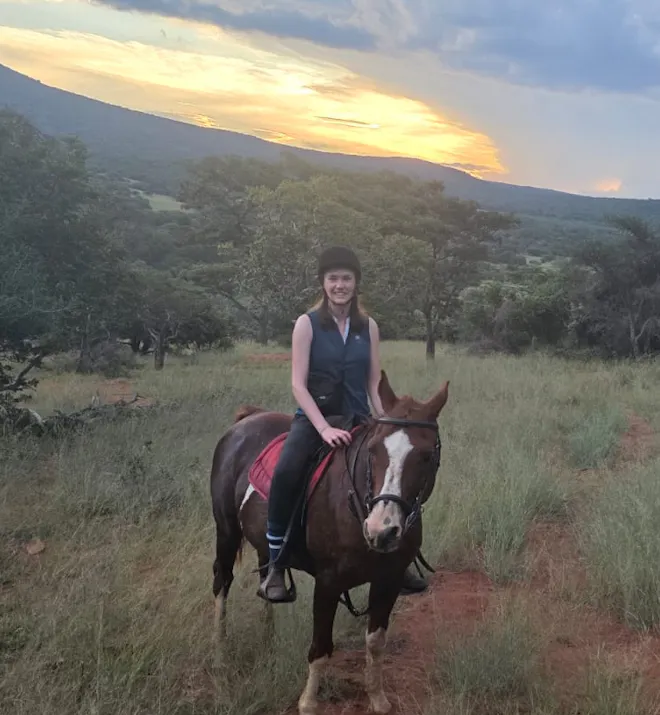
I came home with new perspectives, valuable skills, and beautiful memories to last a lifetime.
Read Aliénor’s Story
The Shimongwe Wildlife Veterinary Experience offered me loads of hands-on experience working with wildlife, and it was better than I could have ever imagined. I’ve always known that I want to work with wildlife, and this experience definitely confirmed that for me.
Read Caleb’s Story
I came home, went straight back to small animal practice, but a part of me stayed in Africa. I still think about it every day: the people, the animals, the sunsets, the feeling of purpose. I honestly think my friends are tired of me always talking about it!
Read Tereza’s Story
We 100% would do something like this again; we didn’t even want to leave!
Read Lynda’s Story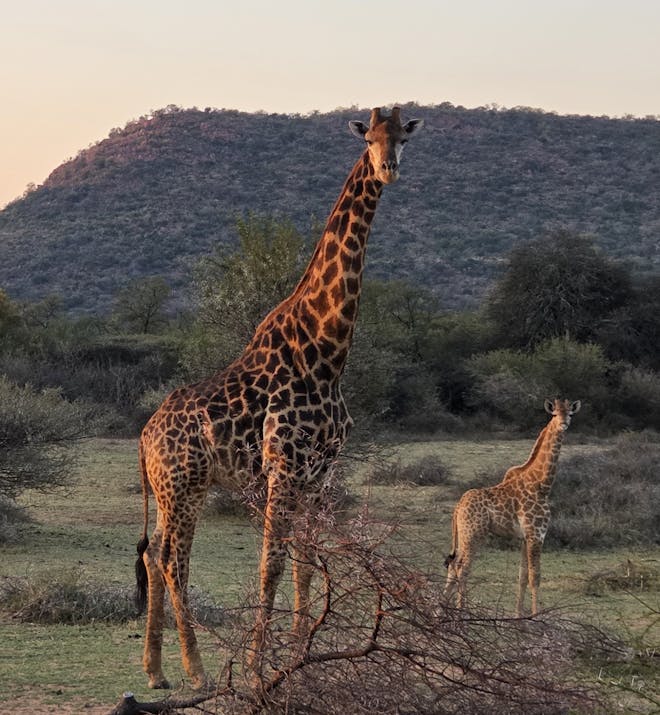
Looking back, what made this journey so meaningful was how it offered a complete picture of conservation in practice!
Read Evžen’s Story
I felt this experience was really valuable, and I really enjoyed it. I definitely want to do more of it in the future!
Read Maëlis’s Story
Vet work in the African bush is a completely different experience to work in a European clinic. I have come home with new skills, incredible memories, and friends for life.
Read Femke’s Story
I wouldn’t change anything from my experience at these projects because they are such a powerful thing to be a part of.
Read Matthew’s Story
The whole experience has been incredible, so I would highly recommend people considering it, to just go for it!
Read Caitlin’s Story
Everything I experienced here, from the amazing guide who took us, to seeing the animals in their natural habitats, is something I’ll never forget!
Read Evie’s Story
African Conservation Experience were incredibly supportive throughout the experience, which is very helpful when it is your first time travelling alone.
Read Katie’s Story
I'm now super interested in following in their footsteps and becoming a wildlife vet. This experience has completely changed my life!
Read Nathalia’s Story
I have been very content working with cats and dogs in my daily work, but I now have a new perspective on veterinary medicine.
Read Martina’s Story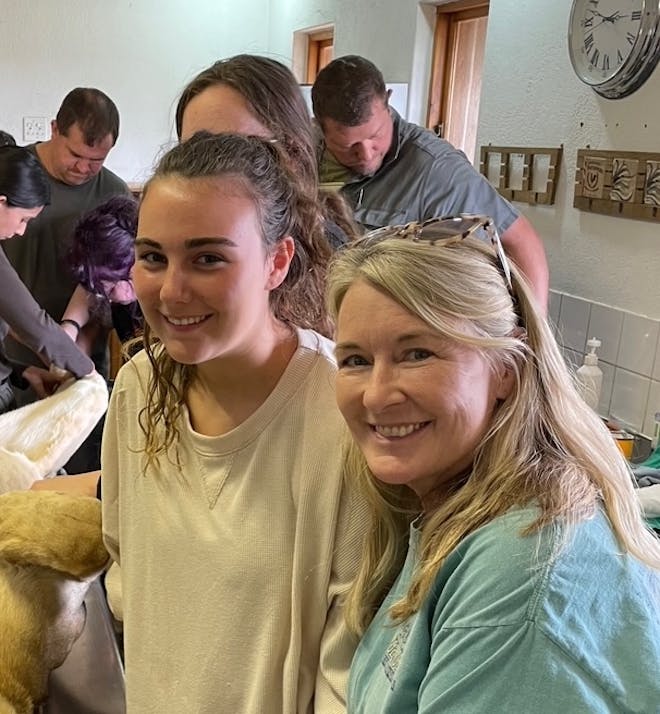
We felt like we were actually helping the animals and the team without just standing there like we were just observers.
Read Kathy’s Story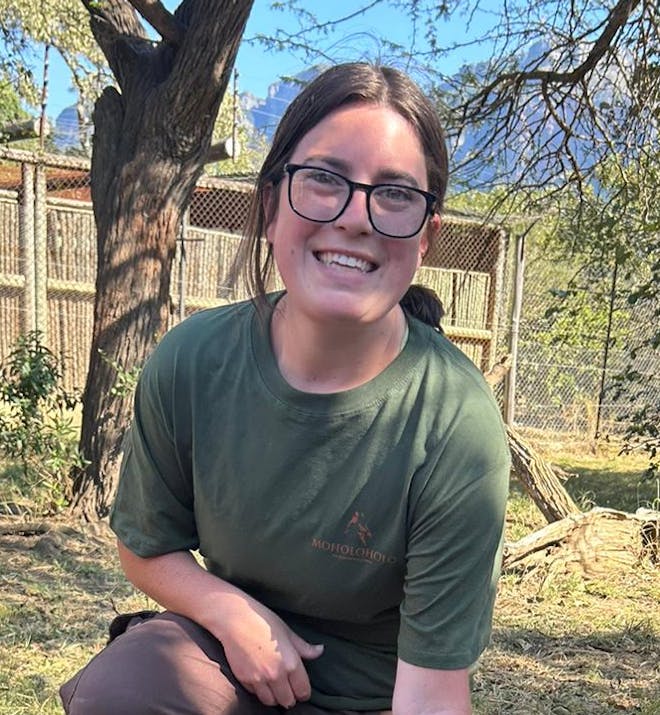
I was able to compare the clinic in South Africa to the one in America where I work every day. It was awesome to see the different products they used, and the different procedures they did on small animals.
Read Kellyann’s Story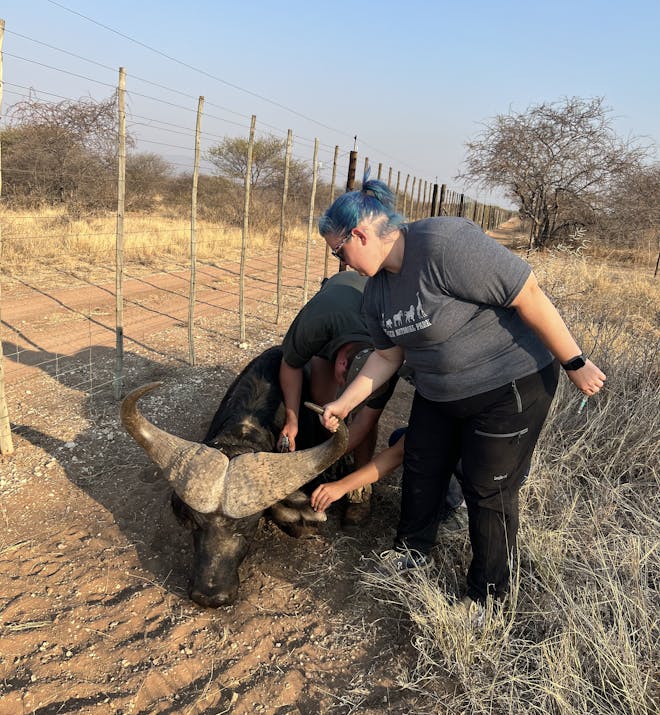
The most amazing thing about the whole trip is that I felt that in some small way, I made a real difference in conservation.
Read Kaitlyn’s Story
There was never a moment in my entire experience where I felt unsafe or unsure of what to do, I constantly had a guiding hand supporting me and helping me contribute to conservation.
Read Lauryn’s Story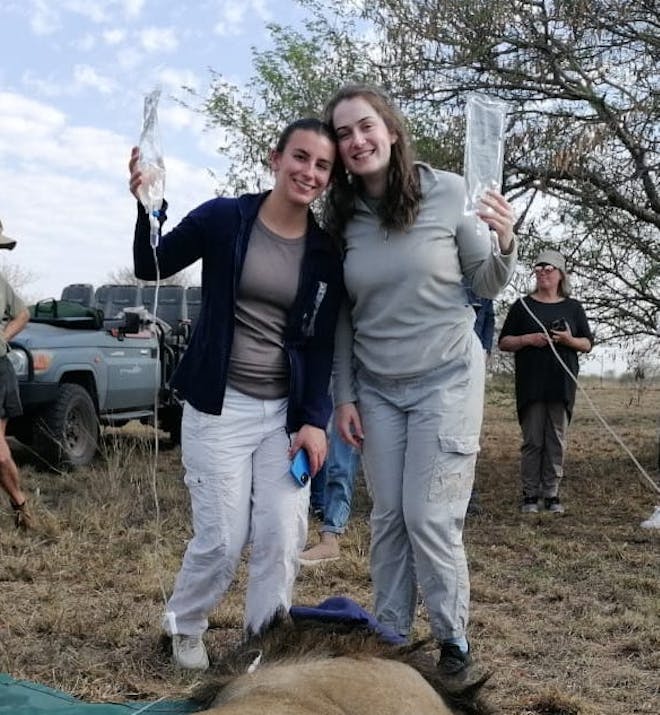
I cannot recommend these projects enough to anyone in or considering the veterinary field. They provide an authentic look into wildlife medicine in South Africa while allowing you to practice animal husbandry in a hands-on way.
Read Emma’s Story
The whole experience with ACE has made me realise that I want to go into wildlife conservation whether it's based in the UK or internationally.
Read Rebecca’s Story
I would recommend volunteering with ACE, as it was valuable to be able to speak with the staff on the phone before booking, to hone in on which projects I would be most interested in. From this, they tailor your trip to what you're looking for and what your needs are.
Read Stephen’s Story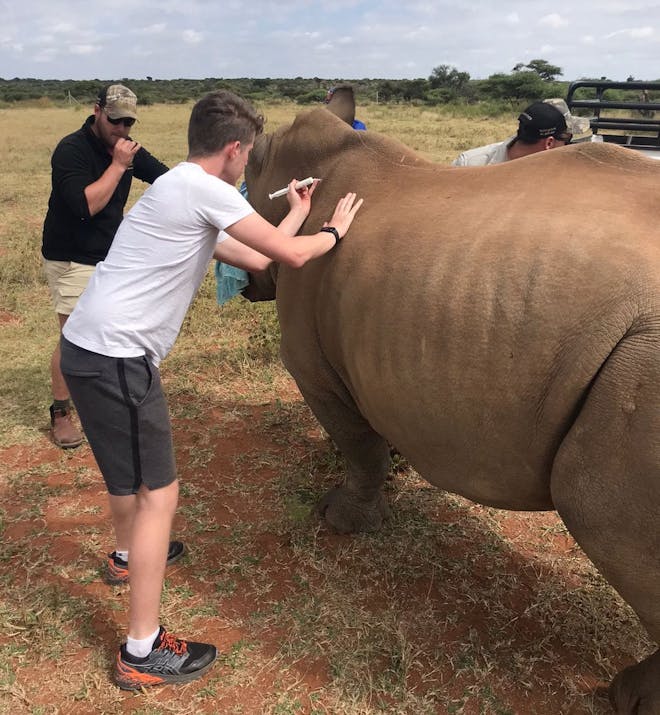
I would definitely travel with ACE again, and I’d love to volunteer at the variety of projects that they work with in the future! I feel like I could return time and time again and never stop learning.
Read Alex’s Story
We highly recommend African Conservation Experience to travel with for wildlife volunteer projects because they offer great learning opportunities; whether it’s for someone looking to go into the vet field, or someone just interested in wildlife in general.
Read Alysha’s Story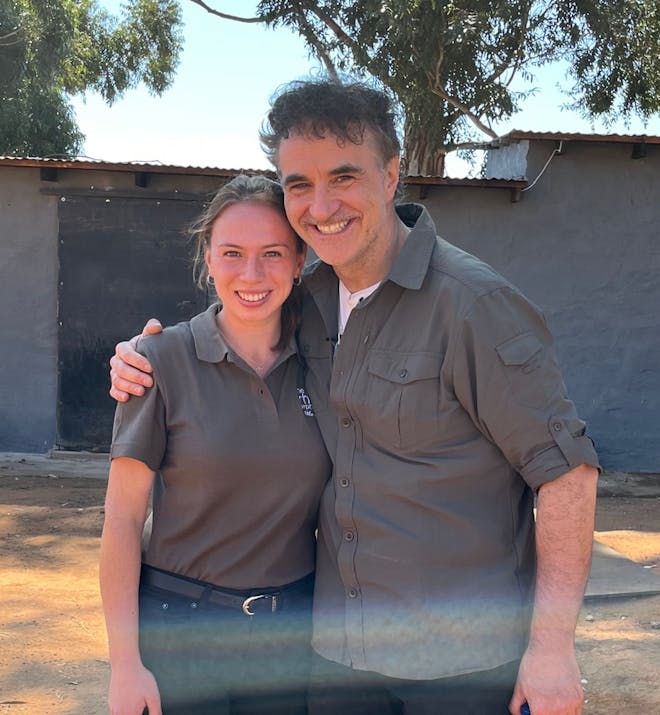
We got to assess all of the radiographs with the Supervet Noel Fitzpatrick for cranial cruciate ligament disease. It was so, so special, and my timing was just incredible and both the orphanage and Noel were amazing throughout.
Read Chloe’s Story
The vet I worked with was an inspiration... He was very friendly, funny, and laidback, but also amazing at his job.
Read Ella’s Story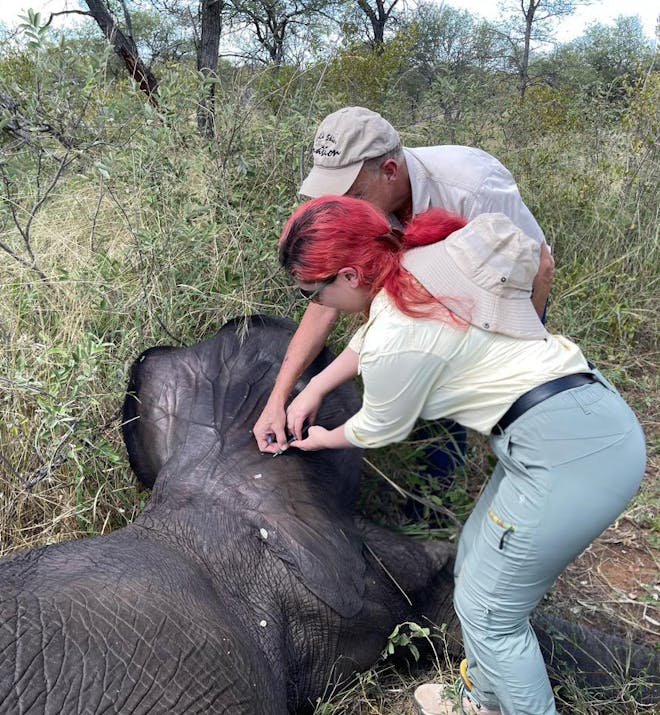
ACE gave me their full support by providing 24/7 support from the team in country and so I felt 100% safe, and this was enough to convince my parents to let me go.
Read Melany’s Story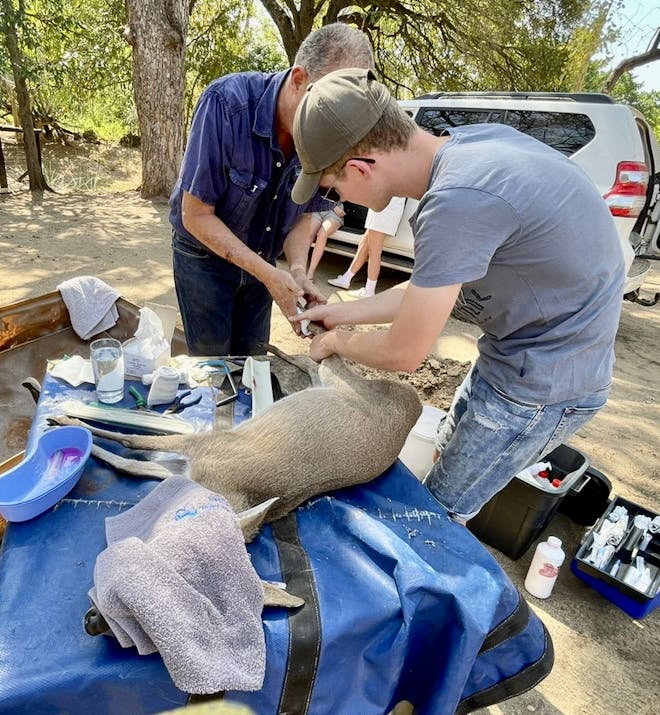
ACE gave me a lot of information on the projects so I could choose a project that fit my own interests. The team were happy to speak to my parents as well to address their concerns.
Read Pieter’s Story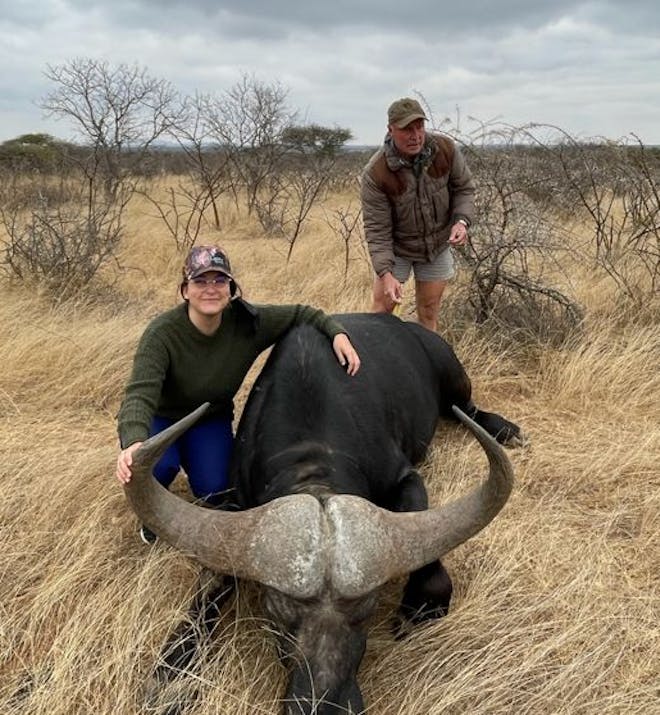
During my first consultation they helped me choose a project that would fit my own personal interests and goals. ACE guided me every step of the way. It’s not common for an organisation that arranges international experiences to be so involved with the person.
Read Michelle’s Story
Every step of the way ACE was there for me, from the first phone call to arriving back in the UK after I finished my experience.
Read Natasha’s Story
I would discuss my thoughts and plans with the ACE team and they helped to advise me on which projects would be best for a more comprehensive understanding of wildlife industries, which will go on to help me in the future. Whilst in South Africa, I was able to contact the ACE team 24/7.
Read Siske’s Story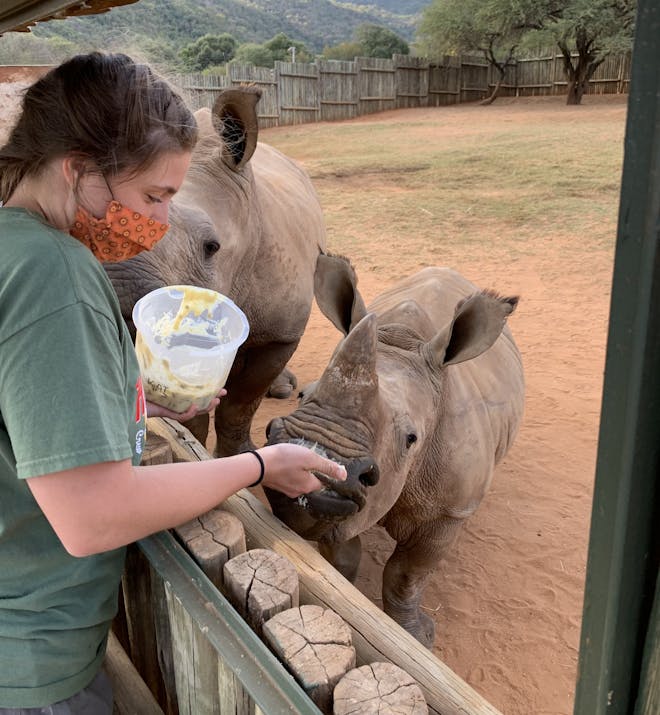
The support provided was excellent, ACE were there 24/7! If I had a question they would always answer it very quickly.
Read Rebecca’s Story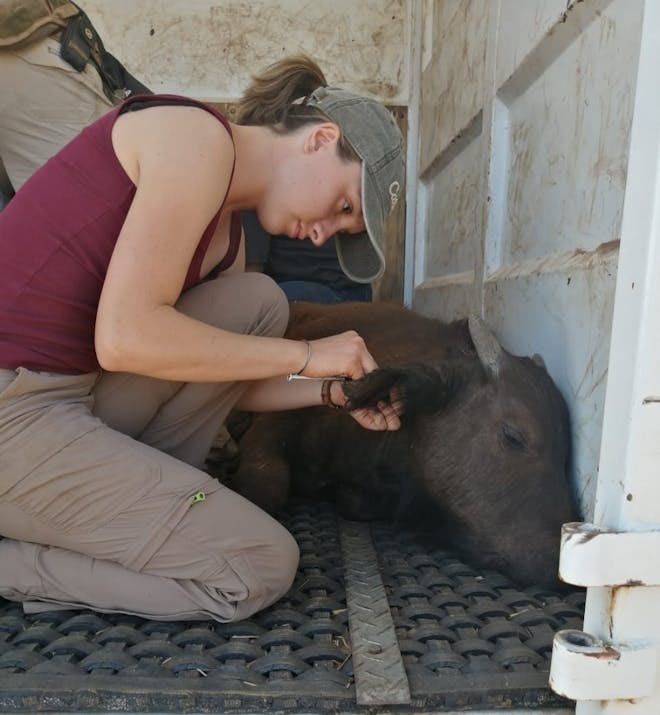
I cannot thank the wonderful people at ACE enough for the unforgettable trip I had in South Africa.
Read Sophia’s Story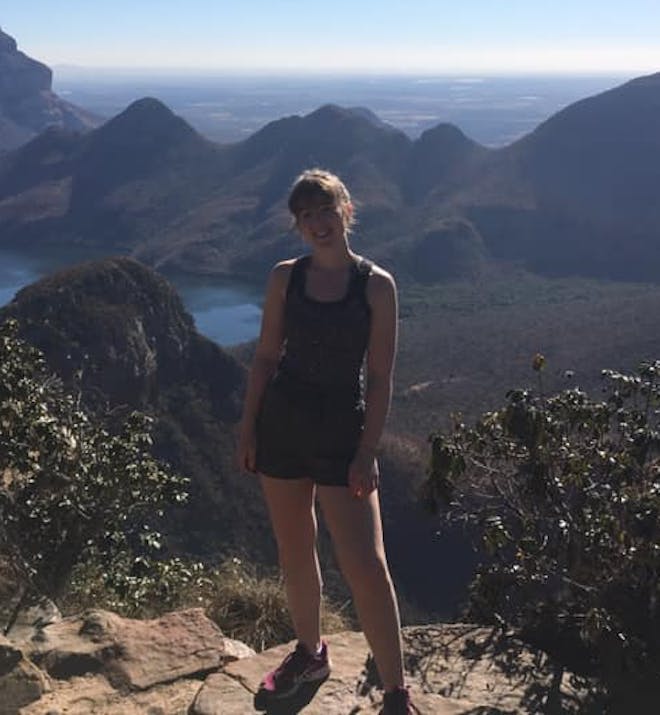
My experience in South Africa was one of the best adventures of my life and one that will stay with me forever.
Read Keavy’s Story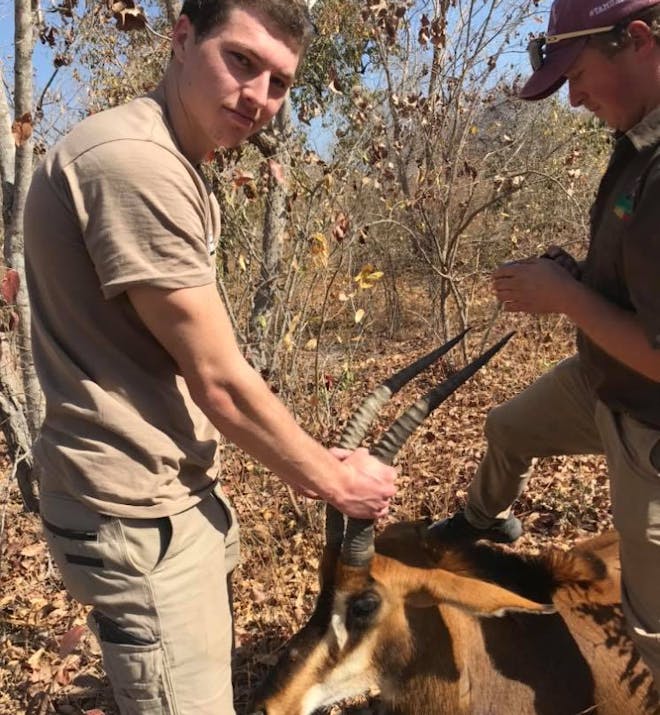
I got an enormous amount of African wildlife experiences and my knowledge of the veterinary profession has been greatly improved. I highly recommend this to anyone and everyone interested in animals, not just veterinary medicine!
Read Jesse’s Story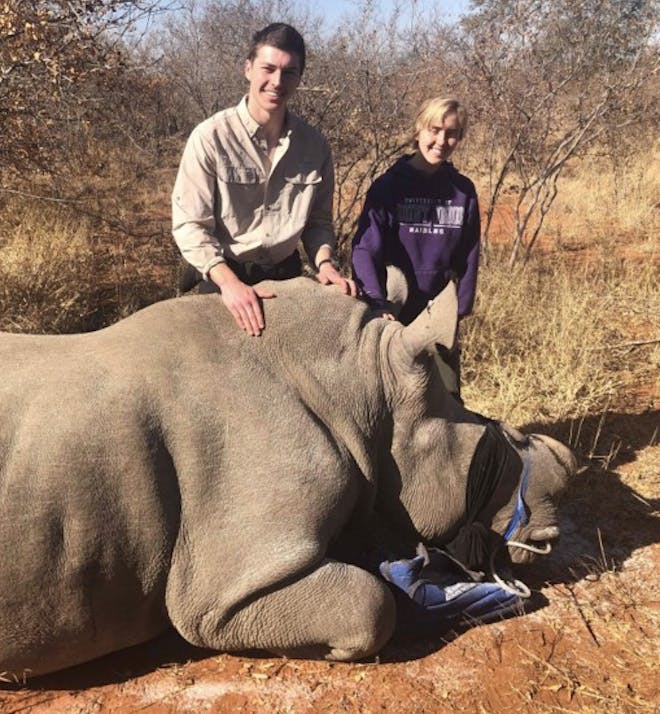
Overall, this part of my life so far has been my most cherished and if you choose to take this journey for yourself, you will not regret it.
Read Megan’s Story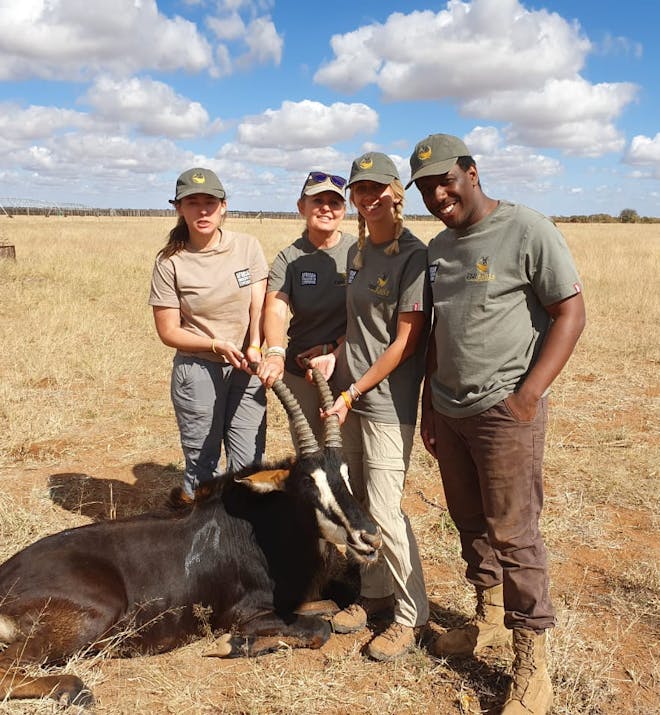
I highly recommend anyone who wants to learn about wildlife conservation while getting hands on experience to go through the ACE team.
Read Darrius’s Story
I chose to participate in the Shimongwe Wildlife Veterinary Experience because I am currently a pre-veterinary student in university and wanted to gain hands-on experience with wildlife veterinary medicine – and that is exactly what I got, so much hands-on experience!
Read Nicolette’s Story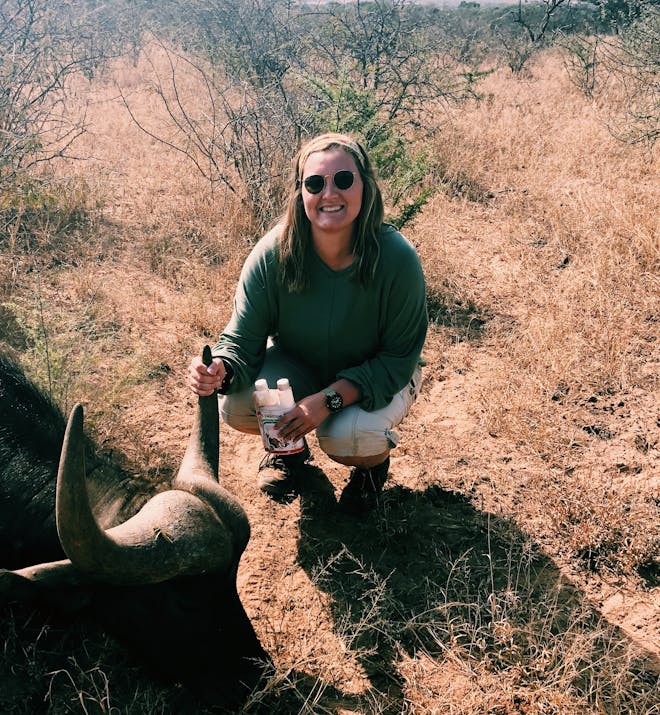
If there’s one thing that I hope someone gets out of this, is that if you are considering going, but you are nervous, DO IT ANYWAY! This was the best experience of my life and so eye opening! I would go again in a heartbeat.
Read Micaela’s Story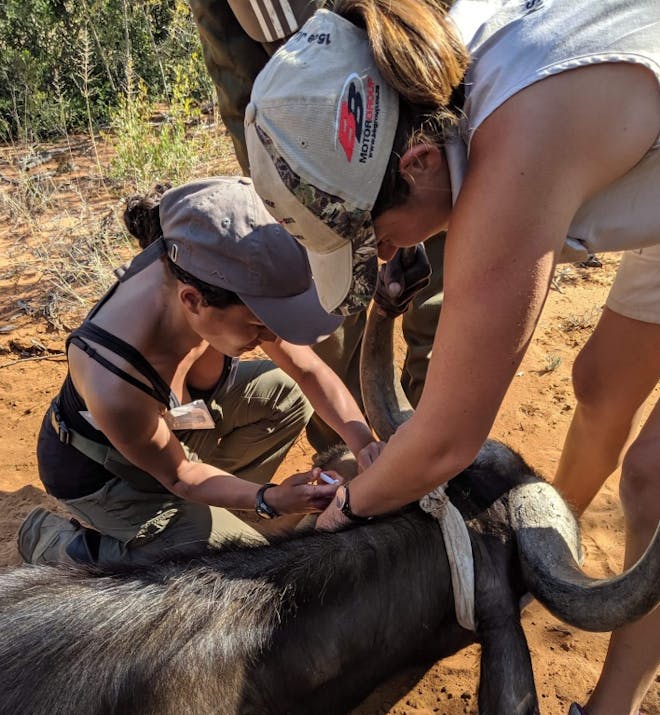
I would recommend this project to anyone who is thinking about working as a wildlife vet. You get a lot of hands on experience and also get to learn about common diseases and medications used in the field.
Read Emma’s Story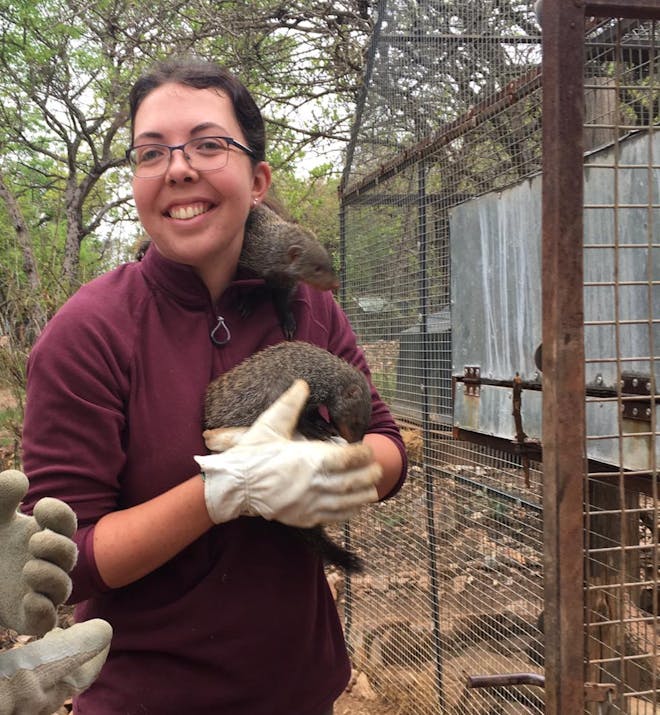
I would highly recommend the Shimongwe Wildlife Veterinary Experience to anyone with a veterinary background, whether that be a vet/vet student or veterinary nurse/nurse student, who has an interest in wildlife and conservation and wants to test themselves and take their veterinary skills and knowledge to the next level.
Read Emma’s Story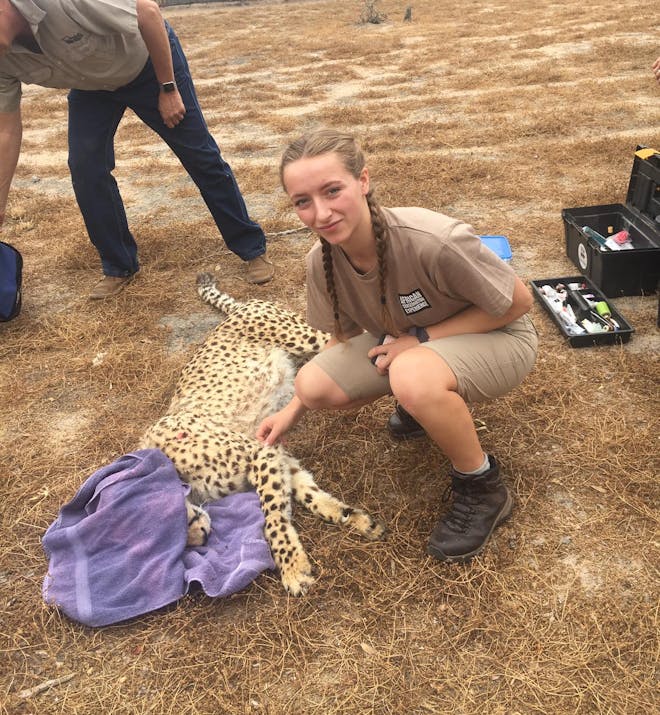
This experience was amazing, I would highly recommend it to anyone, not only to those interested in veterinary but anyone who enjoys travelling and an adventure, wants to learn or just to see South Africa’s wildlife close up with a true feeling of the country.
Read Emily’s Story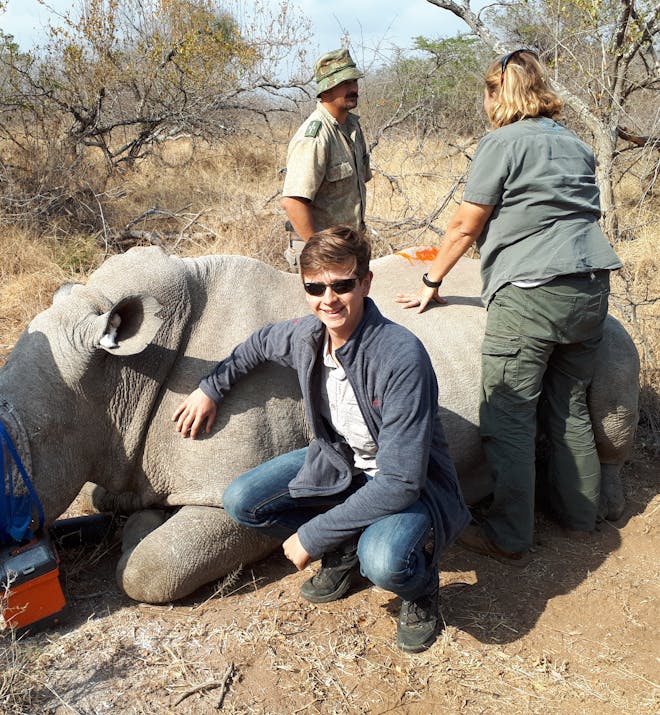
My days with the vet were always full and exciting, with a new unexpected challenge each day; this could be a day trip to de-horn rhinos, capturing giraffe or staying back at the clinic looking after some cheetah cubs.
Read Benedict’s Story
The work the vets do to spread the message about conservation and the multiple chances they gave me to interact with wildlife, is beyond incredible and just being able to watch them, let alone get involved, is an absolute privilege.
Read Anja’s Story
I would advise anyone with a sense of adventure and willingness to work in a team to have a look at volunteering on any of the ACE programs.
Read Georgina’s Story
I highly recommend the Shimongwe Wildlife Veterinary Experience to anyone considering applying. You will not only gain useful veterinary knowledge and skills, you will also create amazing and unique memories in an astonishingly beautiful country.
Read Amanda’s Story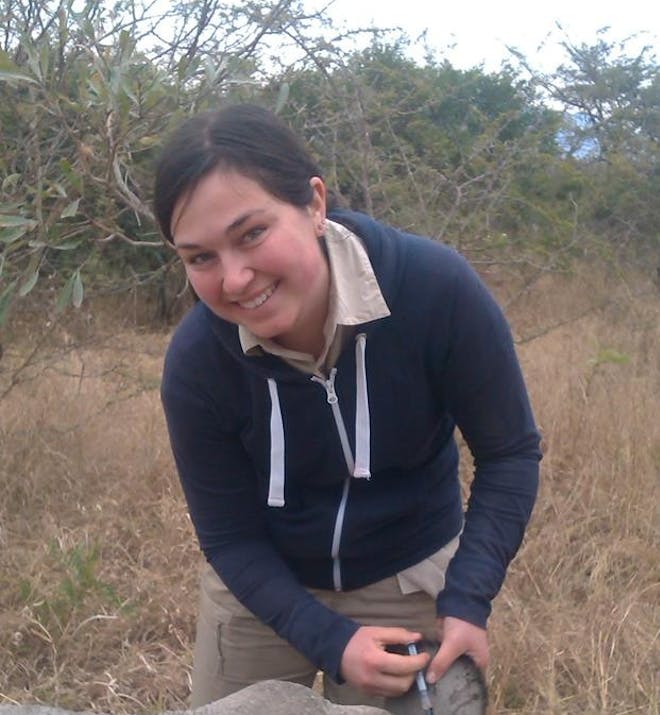
The vet I was working with was an incredible teacher and always explained what he was doing and why. He always encouraged us to get involved and even let me take a ride in the helicopter!
Read Sophie’s Story
We decided to do the veterinary experience trip and to stay for 2 weeks. Let me tell you, 2 weeks flew by! We worked with a variety of animals, and we also got to meet and work with amazing people there. Africa is an amazing place to go and I can not wait to go back!
Read Erin’s Story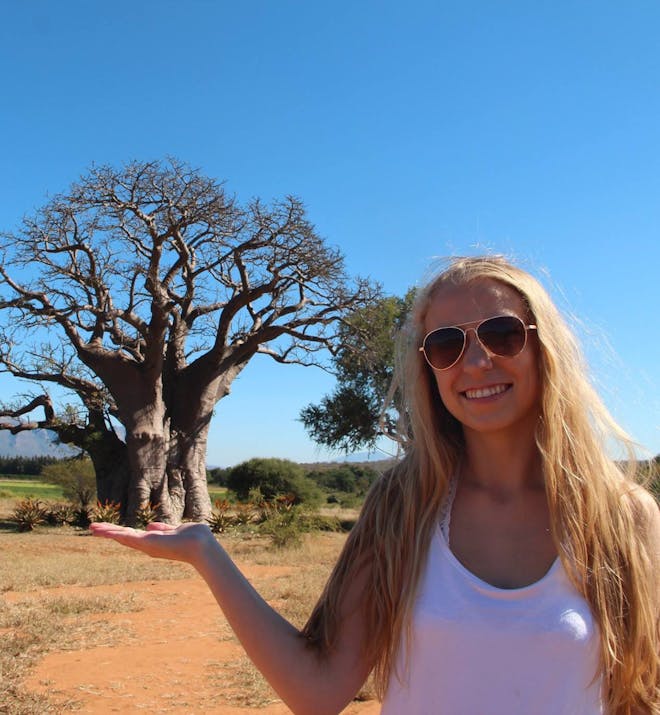
Huge thanks to the vet team in Hoedspruit for welcoming me and teaching me so much valuable information that will transcend into the rest of my veterinary career. Also, thank you to African Conservation Experience for setting up this wonderful experience! Counting down the days when I can return!
Read Kaitlyn’s Story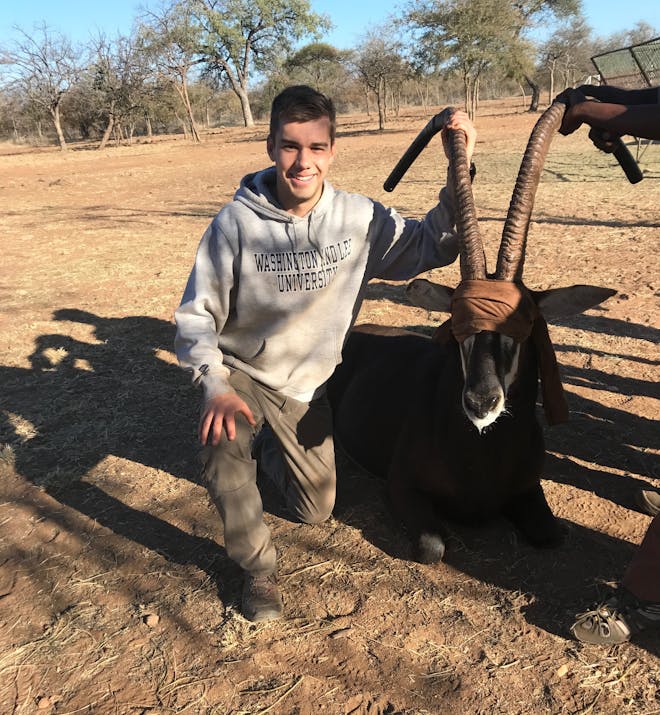
Some days we would be transporting buffalo to various camps, and so the vet would go up in the helicopter and dart the buffalo from the air. We would then chase down the buffalo by truck and transport them out of that camp and into another. This was truly exhilarating.
Read Jack’s Story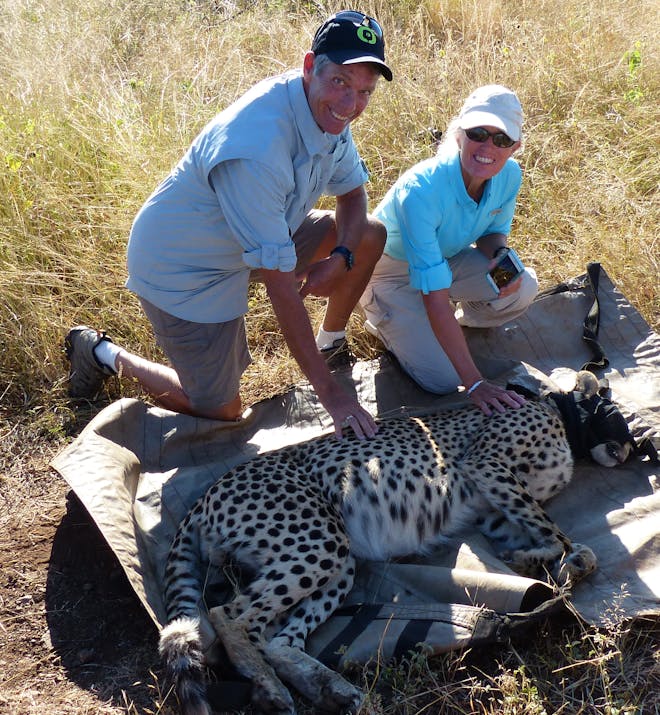
At Phinda our lives were enriched by the knowledge of our team leader in the many facets of wildlife management, whilst working with the wildlife veterinarians at Shimongwe was AWESOME. We were able to be a part of a team capturing wild animals for medical treatment, ID chip placement, and relocation.
Read Marc’s StoryRelated experiences
Explore programs similar to this one.
Join experts protecting rhinos and lions, in the wild and at a specialist sanctuary
View details for Shimongwe Wildlife Veterinary ExpeditionExperience for yourself the adrenaline-fueled world of wildlife capture and relocation
View details for Wildlife Capture And Relocation Experience
Southern Africa’s original conservation travel company
We are qualified zoologists and conservationists

Customised experiences and care from start to finish
Our own support and operations team in Africa
Empower vital conservation initiatives