WILDLIFE VOLUNTEERING: THE RED FLAGS MOST PEOPLE MISS
Get the free guide
Coastal Conservation Project
Turn the tide on marine habitat loss.
The waters along South Africa’s Garden Route are nothing short of an underwater jungle - home to vital whale breeding grounds and thriving populations of bottlenose dolphins, seals, penguins and sharks.
This experience places you at the heart of a renowned marine research project, giving you the chance to contribute directly to the protection of this extraordinary ecosystem and the surrounding area.
Whether cruising the waves by boat or trekking the wild coastline on foot, you’ll research and monitor marine life and get involved in practical conservation work to safeguard our precious oceans.


Discover one of Earth’s richest ocean environments
The South African coastline is home to a rare oceanic phenomenon. As the warm Agulhas Current collides with the cold Benguela Current, it creates one of the most productive marine environments on Earth. This powerful meeting of currents forms a vital corridor for the migrations of a wide range of marine species.
Contribute to vital marine conservation
Whether you're monitoring population numbers, testing the water quality at important breeding sites, or getting your hands dirty on beach cleans, you'll be helping to protect whales, dolphins, sharks, seals, rays and other marine life - in a region that’s critical for their global survival.
Gain insights into complex marine ecosystems
South Africa’s coastline is home to an intricate ecosystem of mammals, sharks, fish and seabirds. Through hands-on research and conservation, you'll explore the bigger picture of marine biology - learning not just about individual species, but how the ecosystem fits together as a whole.
Perfect for thrill seekers
The warm waters and sandy beaches of South Africa’s Garden Route aren’t just appealing to marine wildlife. The area is also a mecca for adventurous travellers seeking activities such as bungee jumping and great white shark diving as well as a lively social scene.
Support local communities and economies
As well as conserving the natural marine environment, you’ll help safeguard the coastal communities who rely on the sea for their livelihoods - through fishing, transport or tourism.
Gain real-world research experience
You’ll spend time with experienced researchers, collecting scientific data, learning how to identify species, and gaining hands-on experience with professional scientific equipment.
Africa’s longest-running marine project
Join the most enduring marine mammal monitoring team in Africa. Having collected decades of data and made it available to researchers, this project is at the heart of international dolphin conservation - meaning you’ll contribute to vital large-scale studies.
Experience Africa from sea to savannah (optional)
If you’re interested in multiple aspects of wildlife conservation, you can combine your marine volunteering placement with other projects across Africa where you’ll help protect iconic species like elephants, rhinos and lions and explore inland habitats that are just as awe-inspiring as the coast.
Your role will be very hands-on. Depending on the animals being monitored at the time, you’ll get the chance to be involved with the following activities:
Wildlife research and monitoring
This project monitors all aspects of the coastal ecosystem, from marine wildlife to local rivers and bird species.
You will get to observe or assist:
- Building up your research and data collection skills.
- Spending time on boats, land-based projects and reserves.
- Maintaining or helping to deploy underwater cameras for both river and ocean surveys and reviewing video footage - including Baited Remote Underwater Video systems (BRUVs).
You could also observe or assist:
- Monitoring migrating humpback whales, southern right whales, and resident Bryde whales.
- Marine mammal boat trips to record sightings of key species and add them to the project database.
- Humpback dolphin photo identification to establish population trends.
- Learning how to do cetacean dorsal fin identification as part of dolphin and whale monitoring.
- Beach surveys to collect and analyse the egg cases of shark, skate and ray (known as elasmobranchs).
- Testing the quality of river water to assess the health of local water systems.
- Catching and ringing seabirds to monitor migratory routes.
- Mini SASS river health assessments.
Practical conservation work
The project has a strong emphasis on practical conservation work, and you’re likely to join many different activities. You could observe or assist:
- Rescuing and rehabilitating penguins, sea birds and any stranded marine mammals.
- Monitoring and recording the presence of cape fur seals, sharks and whales from the cliff tops, from where these species are easiest to spot.
- Beach clean-ups to remove pollution and litter from the marine ecosystem.
Community outreach
The project has a long-standing working relationship with local schools. If your trip is during term time, you’ll join their youth marine education programme. You could observe or assist:
- Educating school students about the marine environment - with an emphasis on water safety, sharks and marine mammals.
- Talking with students, using informative posters and educational games to share information about the marine environment.
You’ll learn about the biology and ecology of dolphins, whales, sharks and South Africa’s other marine species.
Biology
- Physiology of marine species such as sharks, dolphins, whales, and rays.
Ecology
- The role of different species in a marine ecosystem.
- The importance of maintaining water quality for the ecosystem as a whole.
- Interesting ray breeding sites.
You will also learn about
- How to assist guides on dolphin and whale spotting tours.
- Biodiversity and evolution.
- Moon phases and the tides.
This project contributes to a variety of the UN’s Sustainable Development Goals. As part of the team, so will you.
The content of this publication has not been approved by the United Nations and does not reflect the views of the United Nations or its officials or Member States.
Quality Education Ensure inclusive and equitable quality education and promote lifelong learning opportunities for all
The project provides financial support to local primary schools and arranges school visits to educate local students on marine wildlife and water safety.
All volunteers acquire knowledge of marine conservation, how human actions can affect wildlife and how they can minimise this effect - and have access to the same standard of education regardless of sex and background.
Gender Equality Achieve gender equality and empower all women and girls
The Coastal Conservation Project provides equal employment opportunities and women hold key leadership and decision-making roles, including the leader of the conservation and education. The centre also offers equal volunteering opportunities for women and men from outside the local community.
Clean Water and Sanitation Ensure availability and sustainable management of water and sanitation for all
The project regularly tests the rivers terminating in Plettenberg Bay to monitor the water quality. Through these tests, the project is able to monitor changes in water quality and take action to protect and restore these ecosystems if necessary.
Decent Work and Economic Growth Promote sustained, inclusive and sustainable economic growth, full and productive employment and decent work for all
The Coastal Conservation Project routinely employs young people between 15 and 24 and provides equal employment opportunities for local men and women. Volunteers provide both economic and physical support, which directly contributes to the protection of all the species in the reserve.
Sustainable Cities and Communities Make cities and human settlements inclusive, safe, resilient and sustainable
The Coastal Conservation Project builds sustainable and resilient buildings using materials that are locally sourced from within South Africa. The project also protects natural heritage through the conservation of iconic marine species.
Life Below Water Conserve and sustainably use the oceans, seas and marine resources for sustainable development
The project helps protect and conserve the whole marine ecosystem by collecting research data on a variety of keystone species, which informs the management practices and conservation strategies of aquatic species.
Life on Land Protect, restore and promote sustainable use of terrestrial ecosystems, sustainably manage forests, combat desertification, and halt and reverse land degradation and halt biodiversity loss
The Coastal Conservation Project takes significant action to halt the loss of biodiversity and prevent the extinction of threatened species. By monitoring and protecting species within the Plettenberg Bay area, they prevent the degradation of coastal and marine ecosystems.
Peace, Justice and Strong Institutions Promote peaceful and inclusive societies for sustainable development, provide access to justice for all and build effective, accountable and inclusive institutions at all levels
The project monitors and reports any seal shootings in the Robberg Marine Protected Area, so the proper authorities can combat and deter poachers and reduce the violence associated with their activities.
Partnerships for the goals Strengthen the means of implementation and revitalise the Global Partnership for Sustainable Development
Through the Coastal Conservation Project’s partnership with us, they draw in financial resources that are used to fund conservation and provide support to their community partners in South Africa.
Traveller Stories
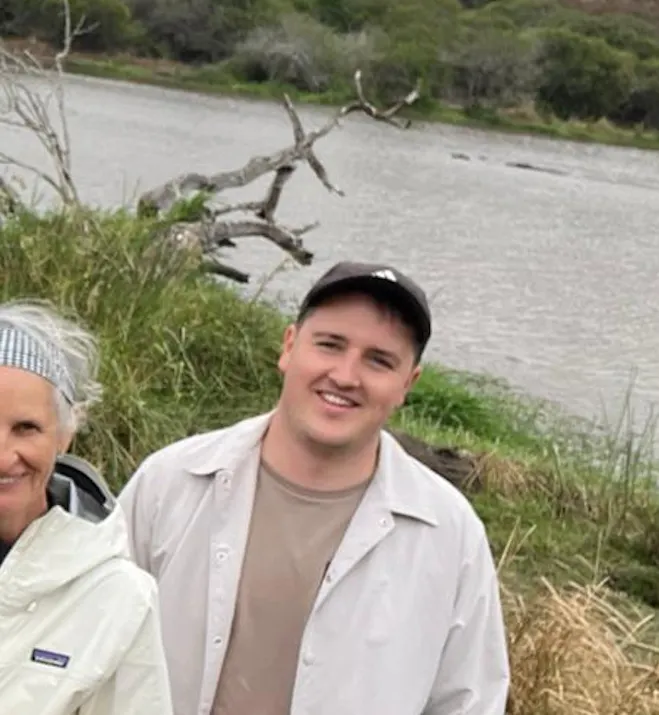
I genuinely felt I couldn't have planned a better trip myself. One thing that surprised me was the flexibility on offer, the ability to combine different projects and tailor the length of each stay was something I hadn't anticipated.
Read Timothy’s Story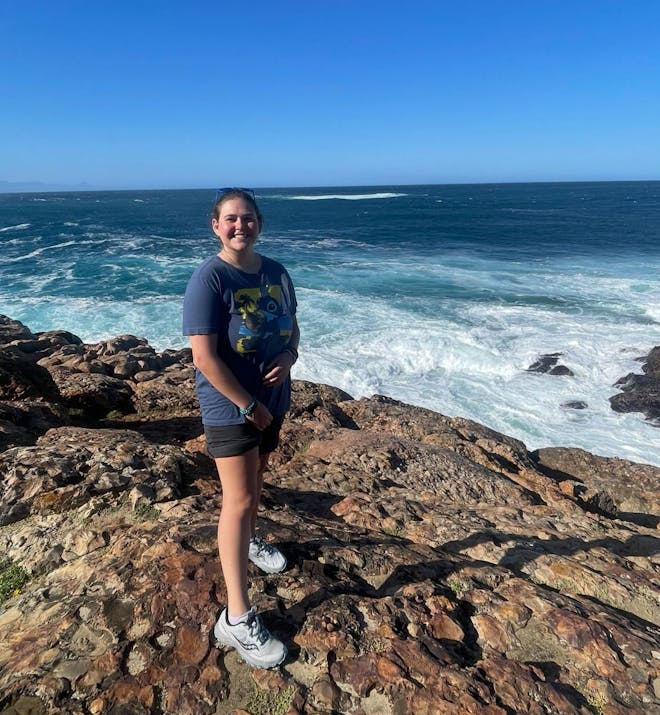
I really enjoyed both the educational and the social aspects. I made lifelong friends and learned so much.
Read Adriana’s Story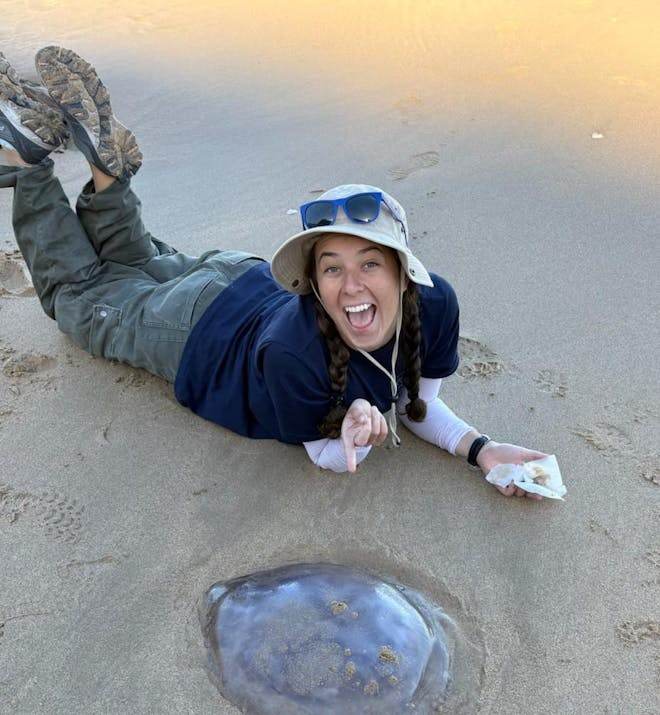
My time on the Coastal Conservation Project was absolutely wonderful.
Read Andrea’s Story
ACE definitely exceeded my expectations, I knew it would be well organised but I didn't realise just how organised they really were - everything was perfect!
Read Robyn’s StoryWhat makes us different?

Southern Africa’s original conservation travel company
We are qualified zoologists and conservationists

Customised experiences and care from start to finish
Our own support and operations team in Africa
Empower vital conservation initiatives