

Conservation volunteering with ACE - a parent's perspective
Is your child thinking about volunteering with us? Hear from parents of previous volunteers and learn all about the safety practices we put into place to ensure everything is taken care of.
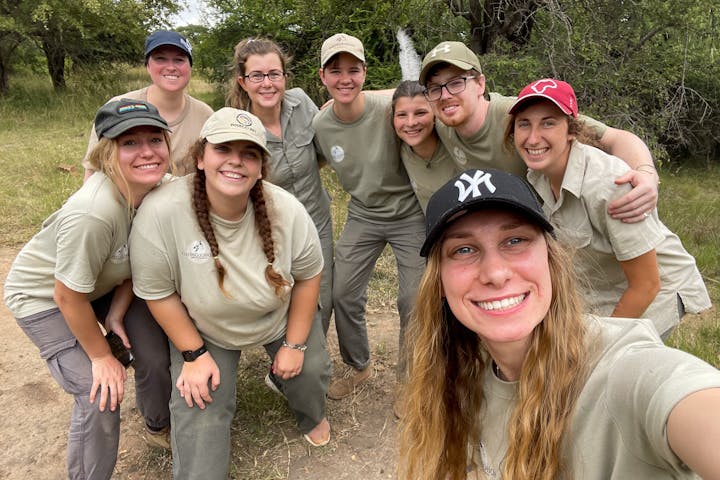
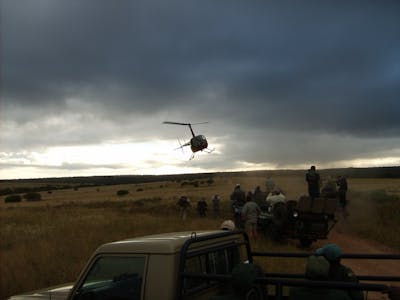
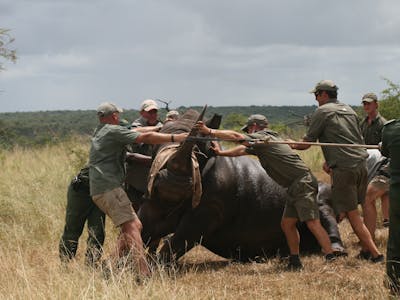
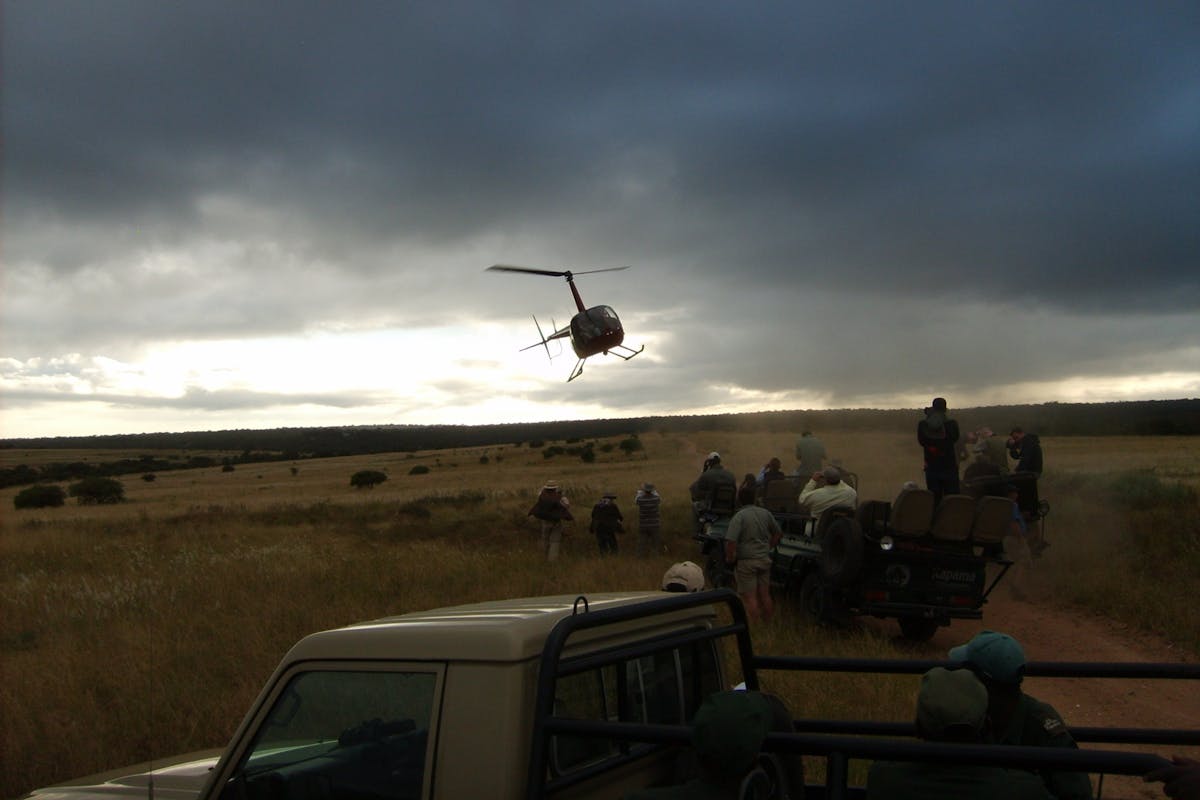
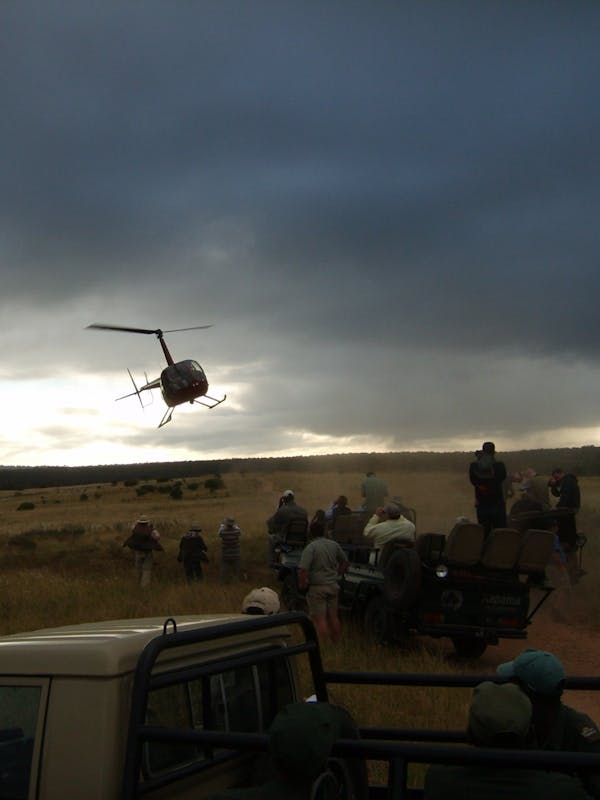
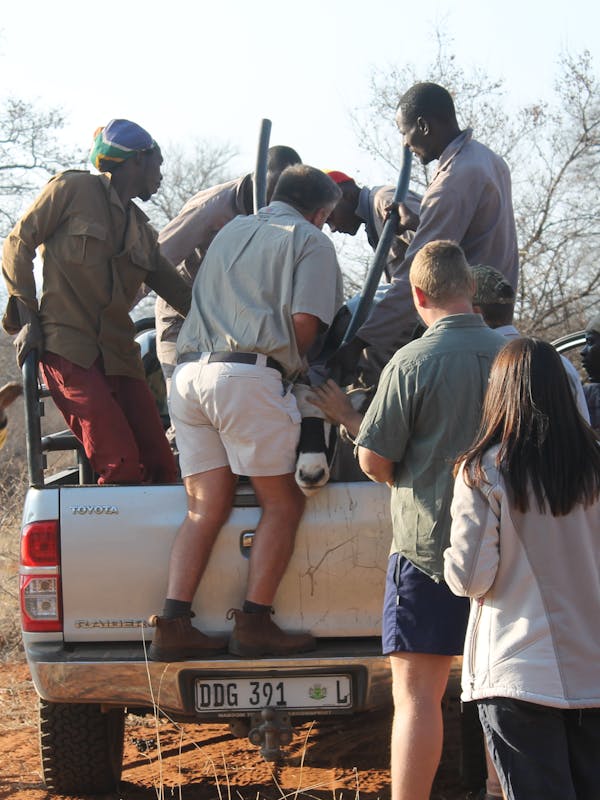
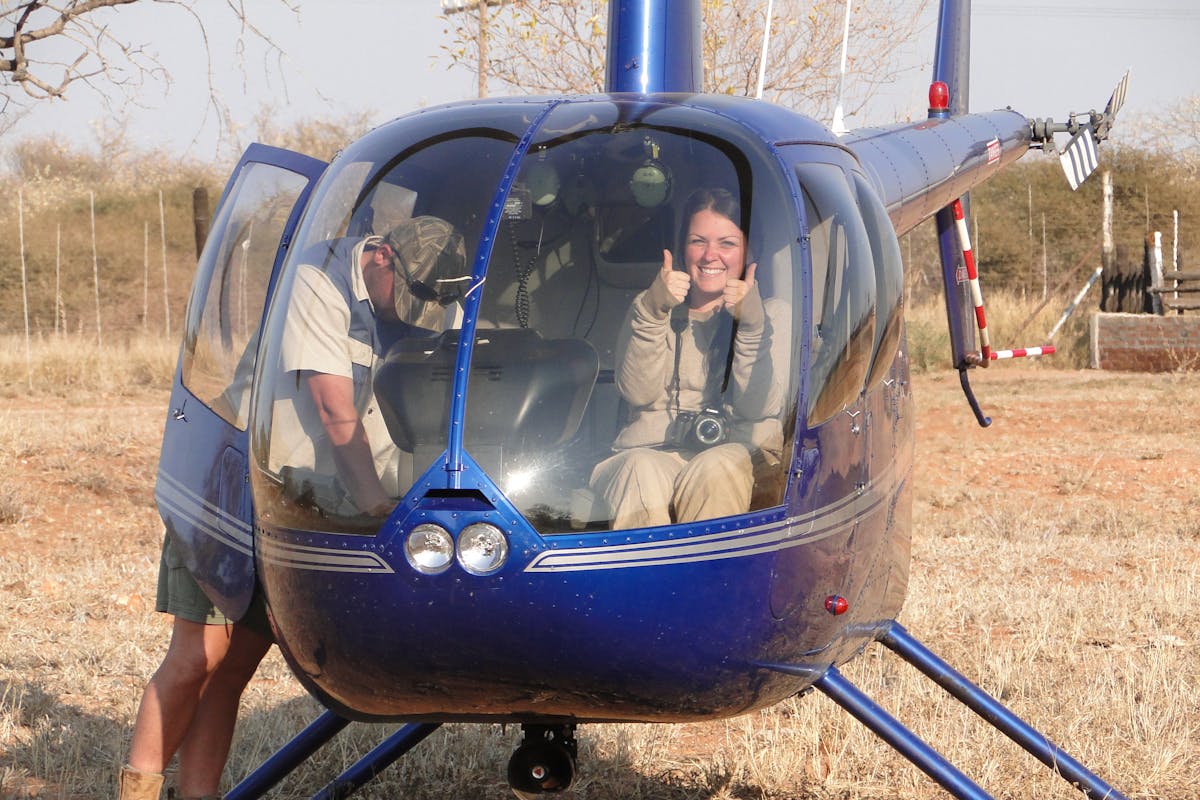
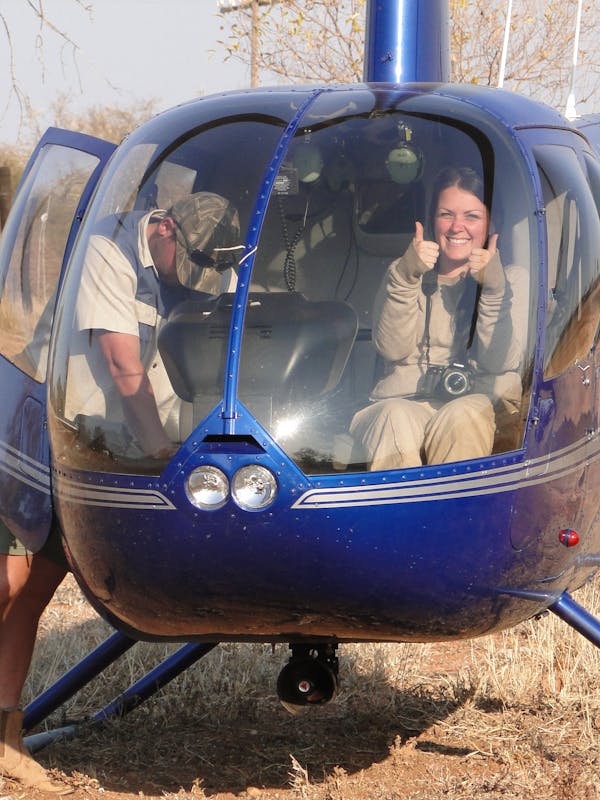
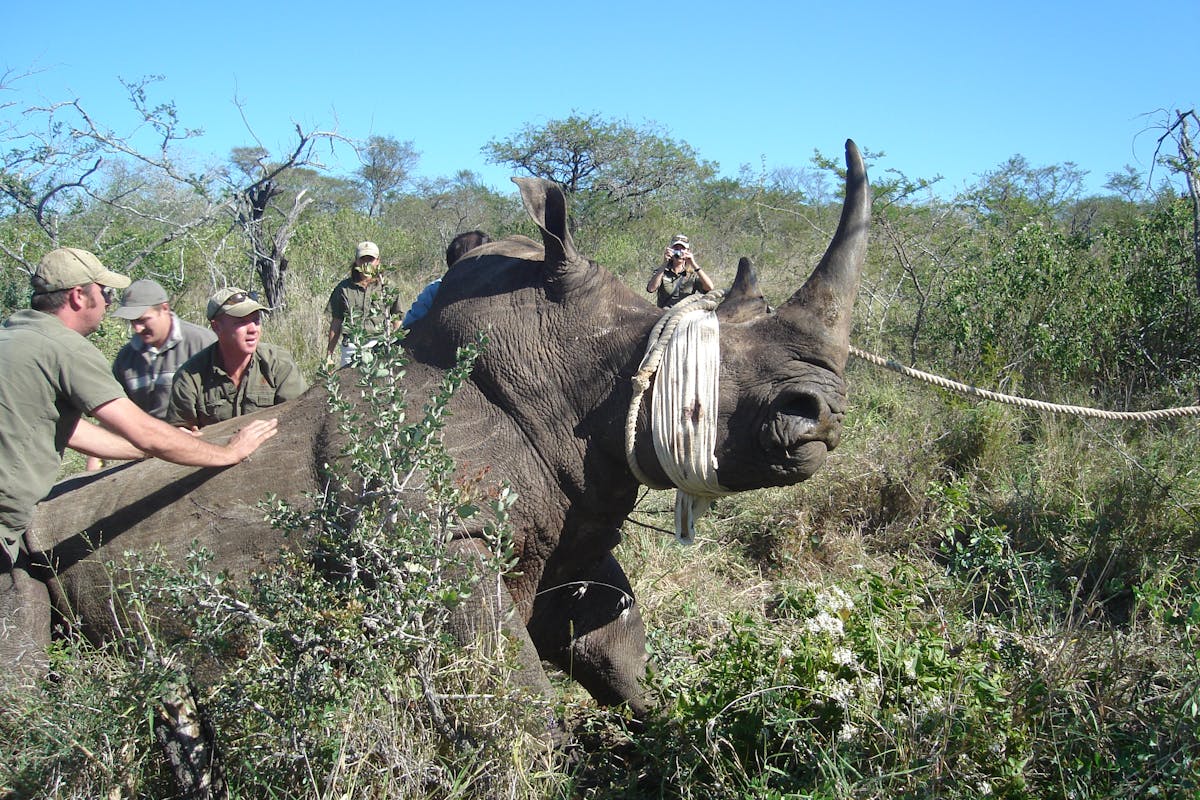
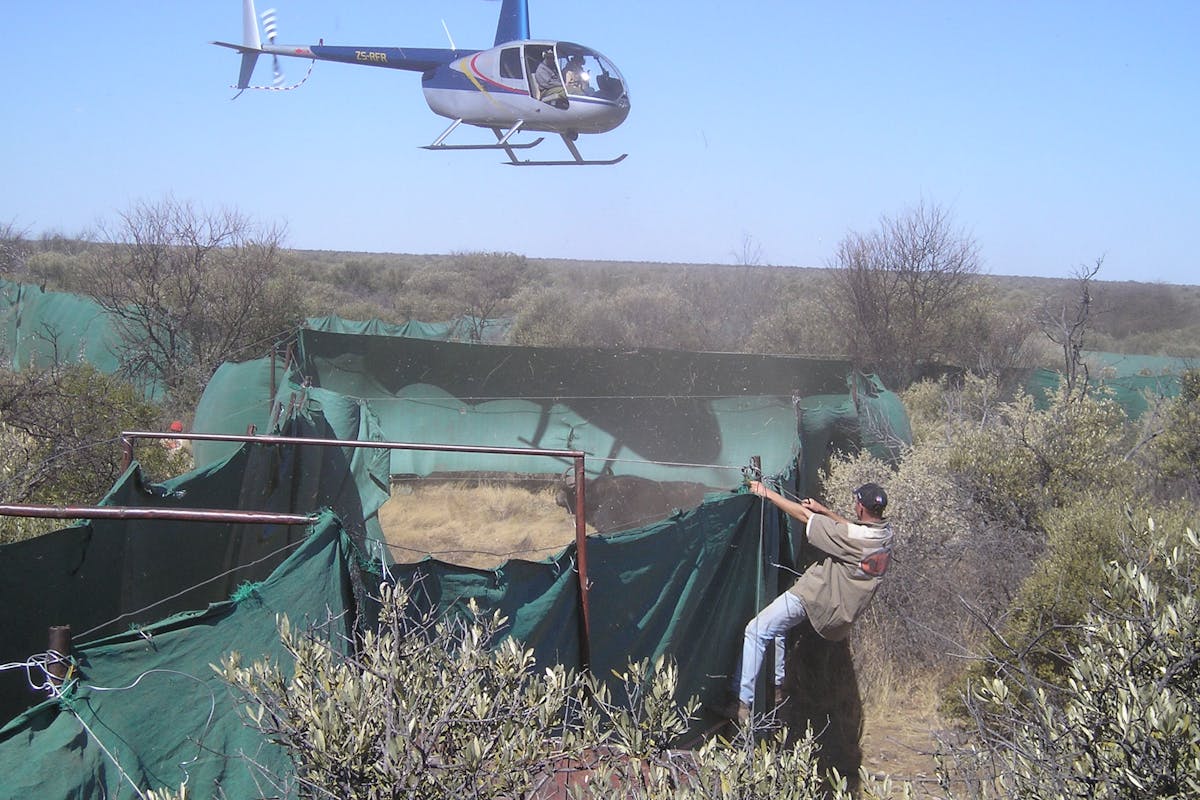
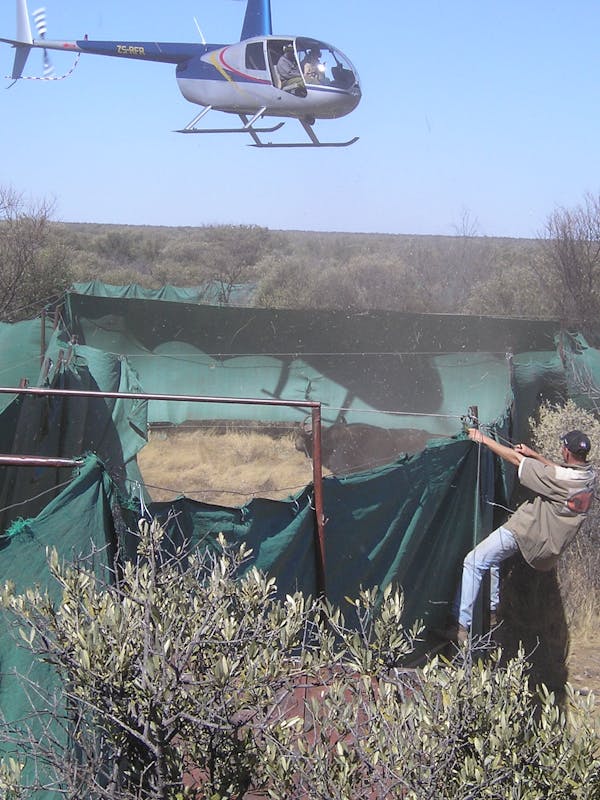
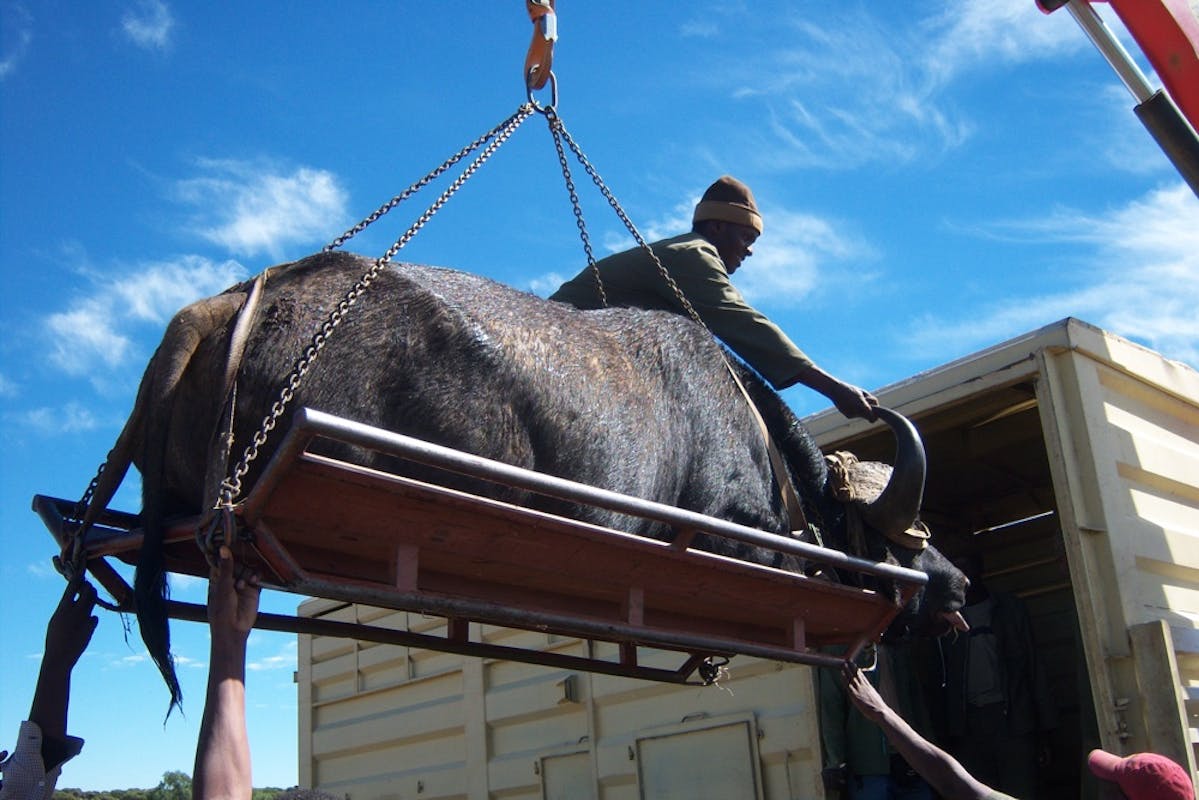
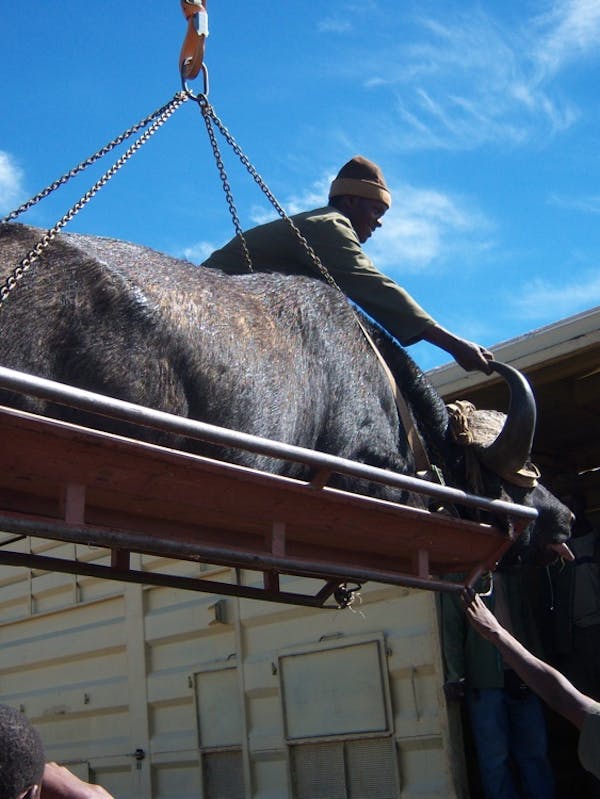
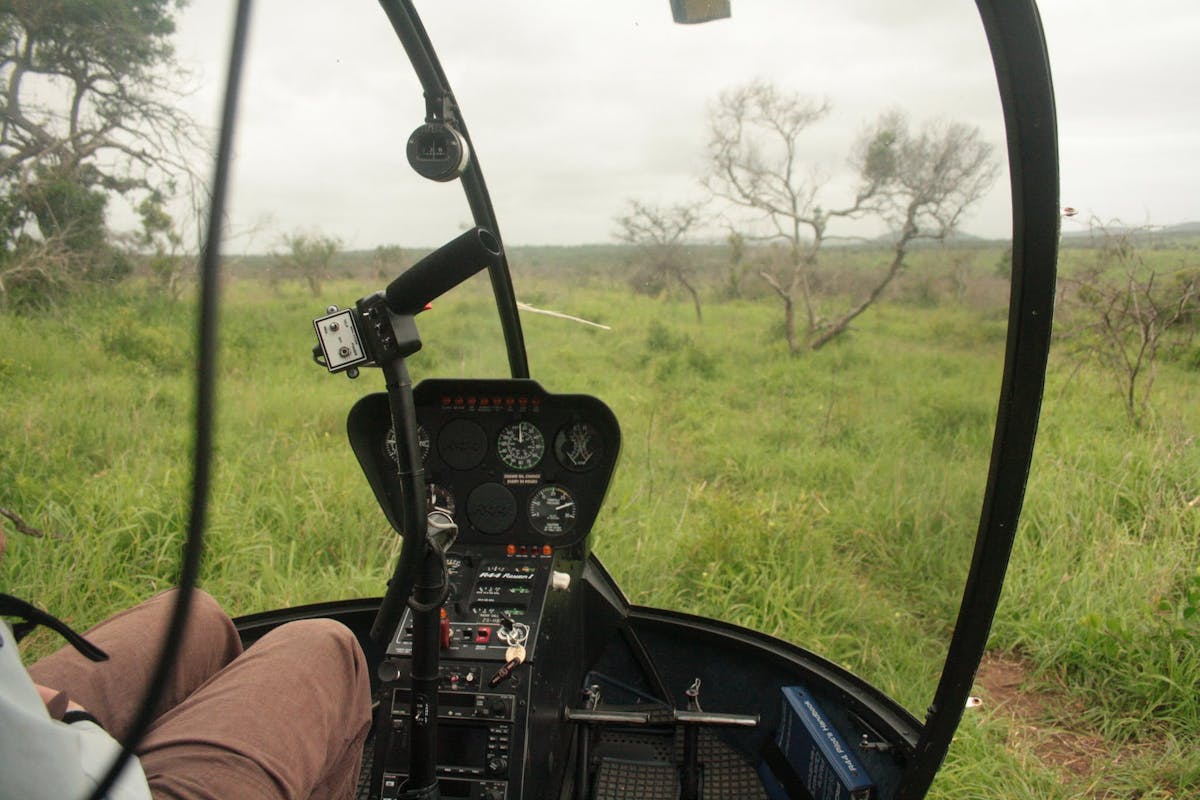
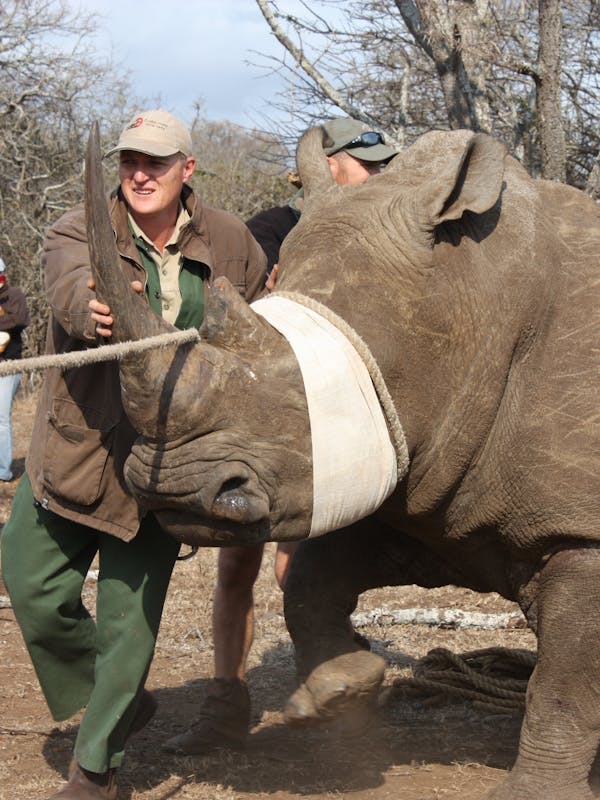
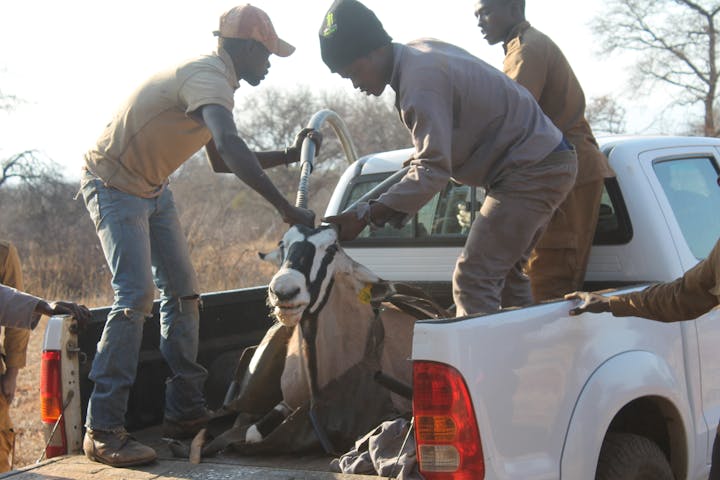
A world full of wild animals, vast landscapes and dramatic pursuits. As a volunteer on our Game Capture And Relocation Experience, you’ll experience all three of these breathtaking ingredients as you help a skilled team capture and relocate animals in the wild.
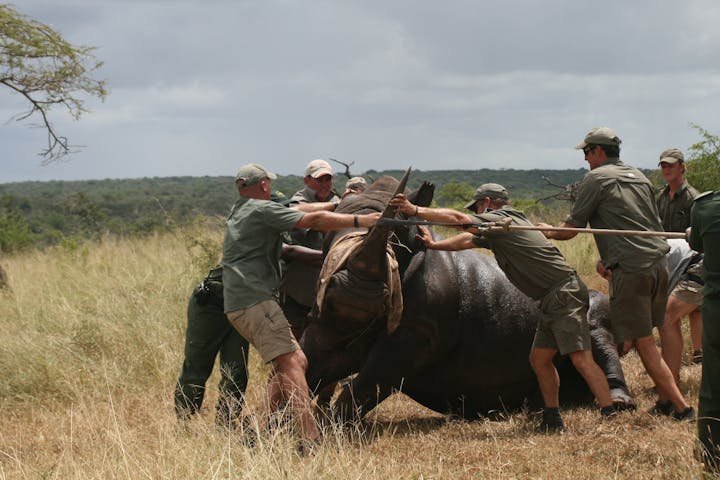
South Africa is considered to be the world leader in wildlife capture and translocation. There’s no getting away from the fact this is challenging work that will test your strength and stamina to the limit. You’ll often find yourself travelling large distances, staying in bush camps and lodges, then helping to capture animals that are faster and more powerful than you are.
In other words, if you’re looking for an adventure with some real action, wildlife conservation doesn’t get much more dramatic than this.
🇿🇦 South Africa
This experience is ideal if you’re looking for a new challenge or want to experience wildlife conservation from a different angle.
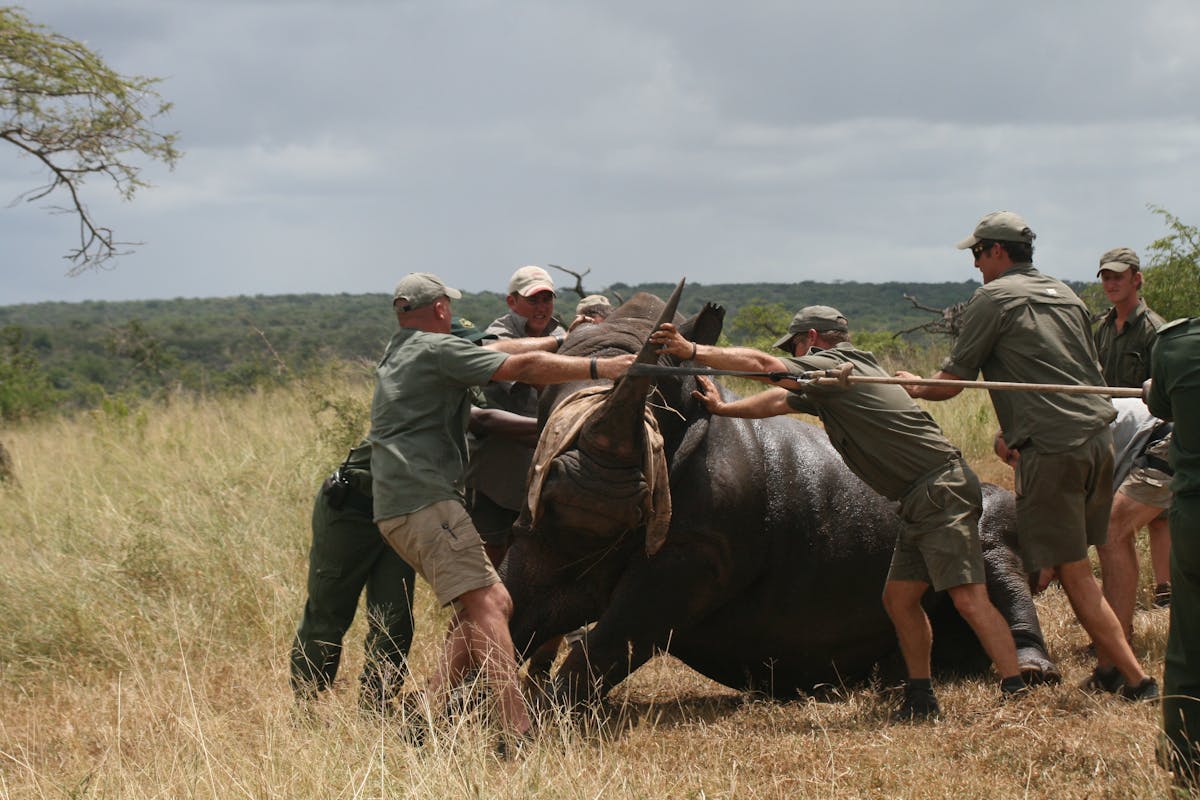
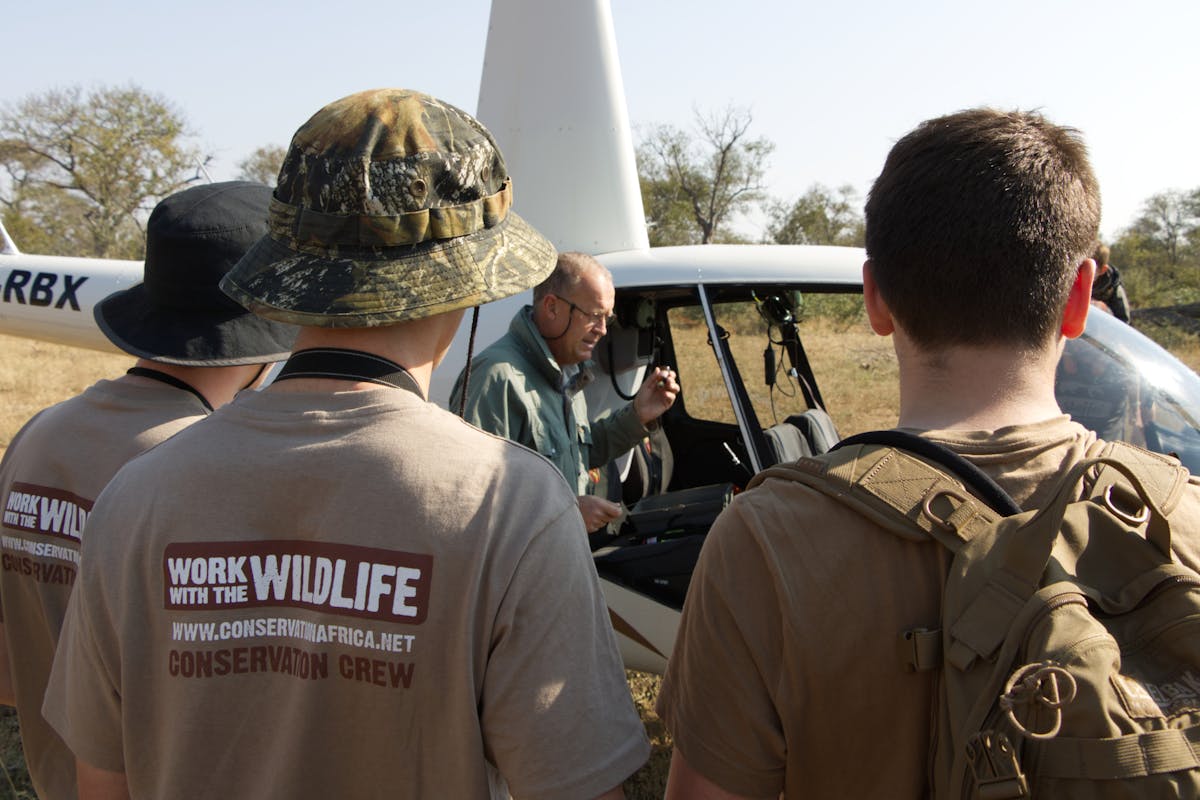
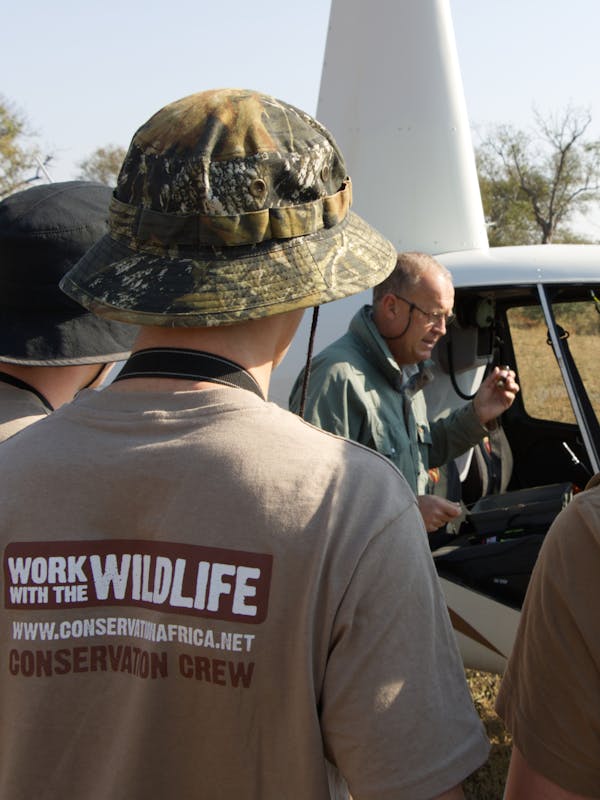
The Wildlife Capture Team are world-class experts in the capture and relocation of wildlife. As part of the team, you’ll pick up unique skills and gain insights into the behaviour of wild animals.
Capturing and relocating animals is a vital part of both population and habitat management. As a volunteer, you’ll help the team support many different conservation projects and make a lasting difference to Africa’s wildlife.
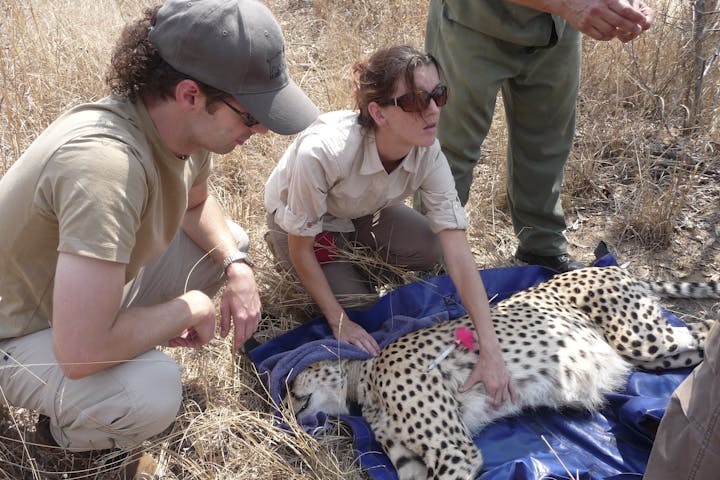
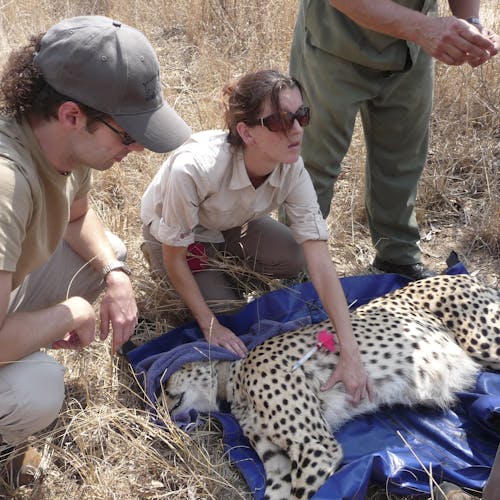
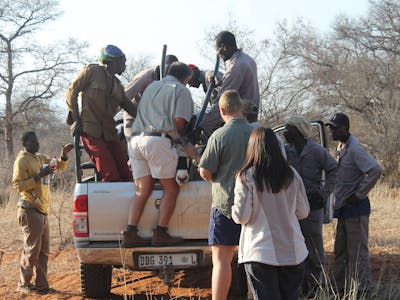
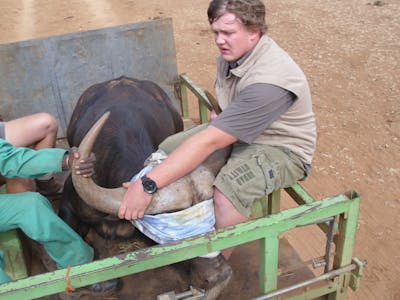
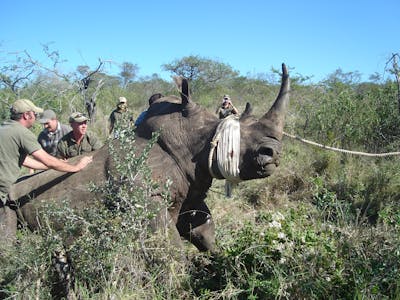
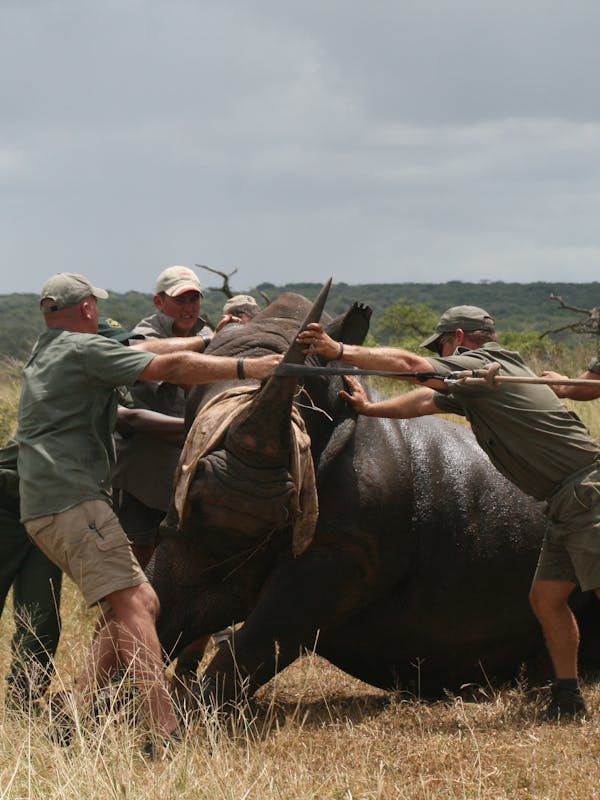
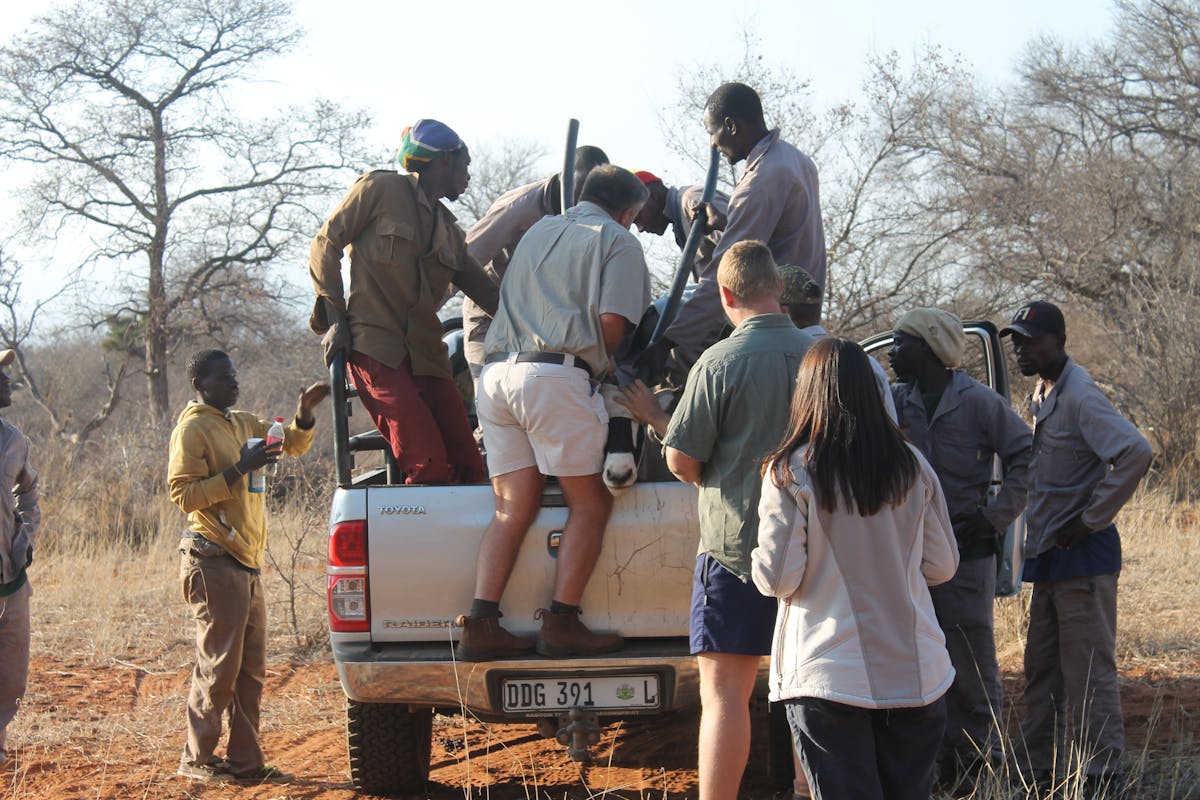
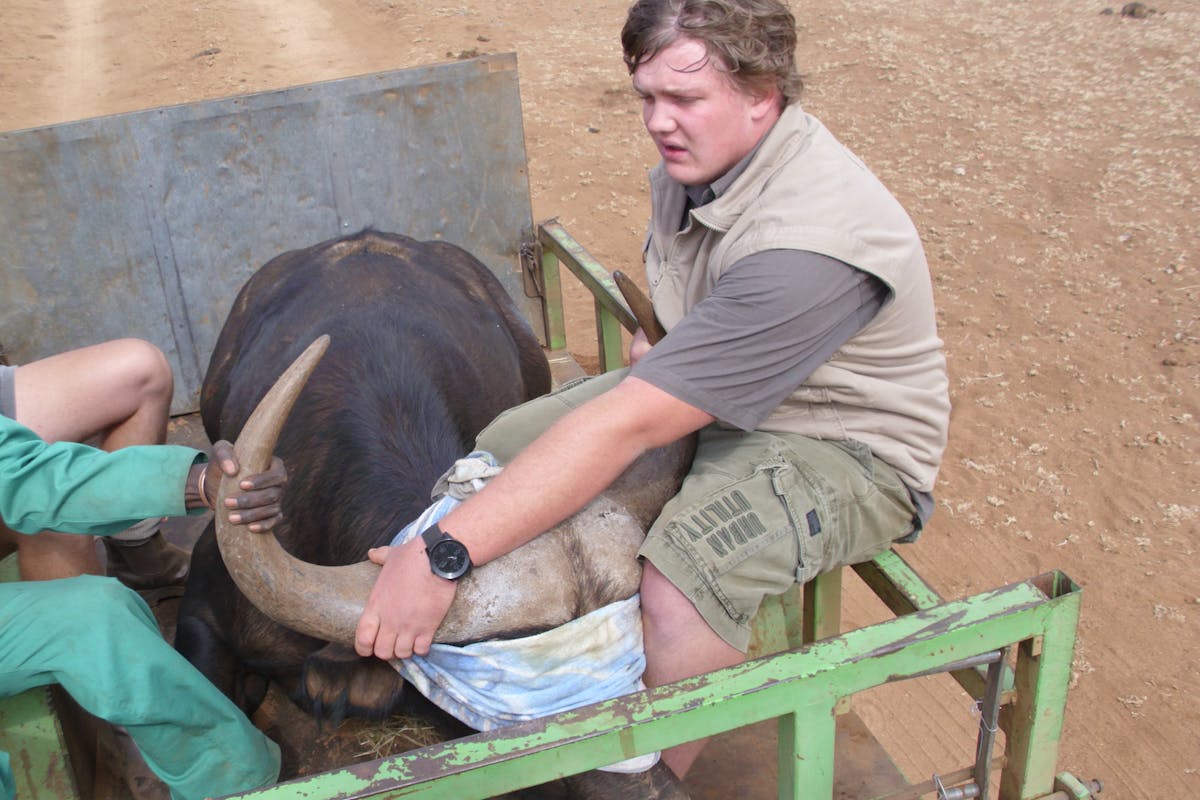
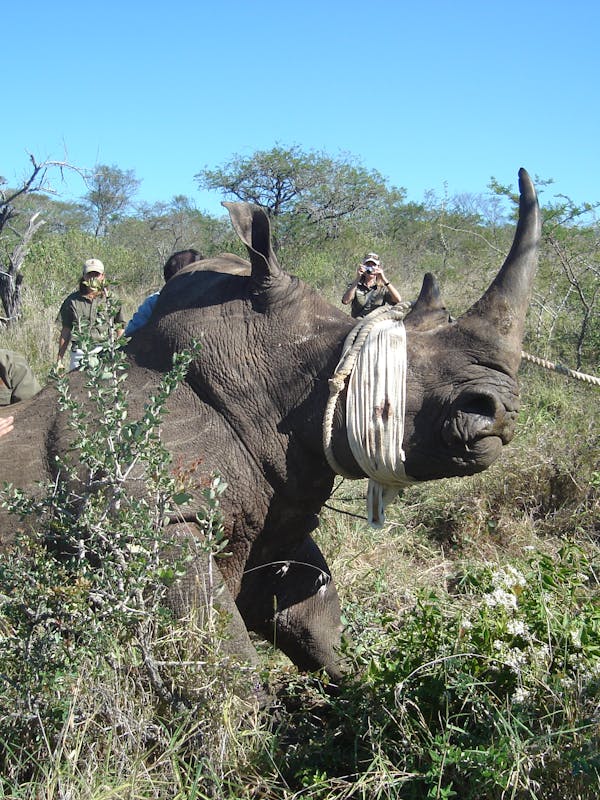
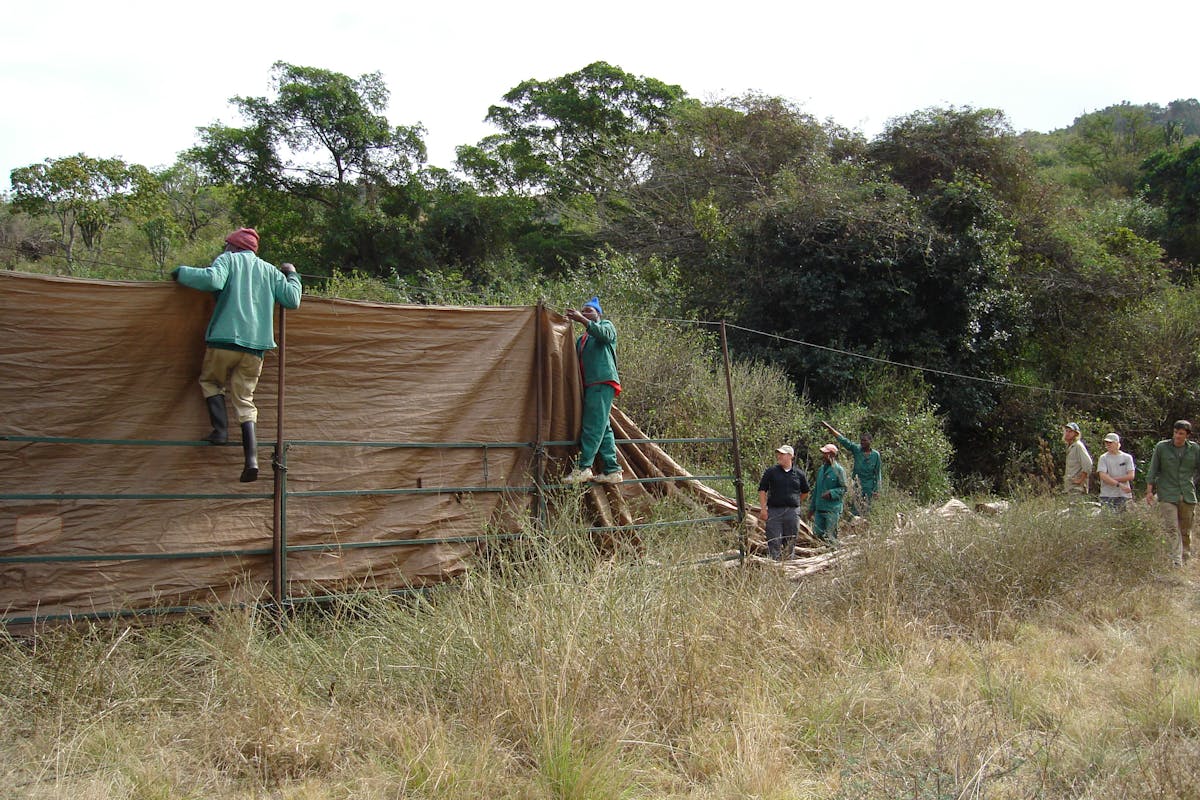
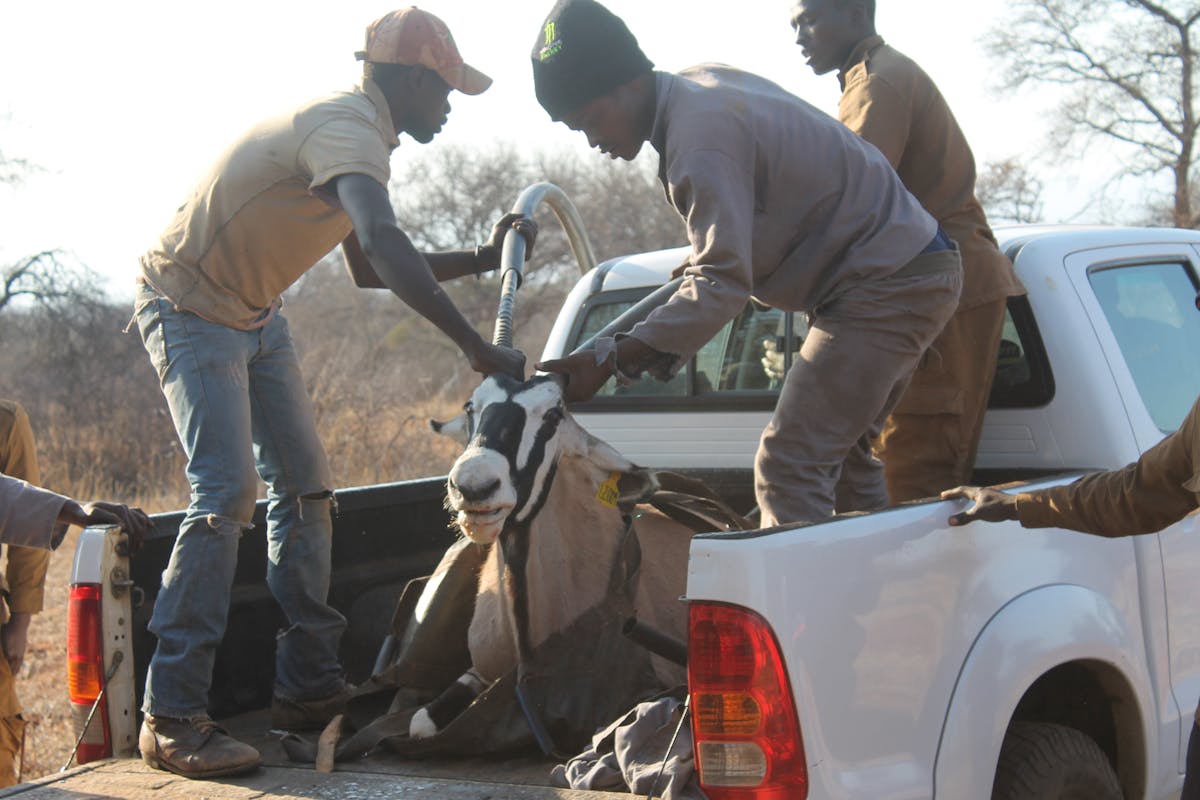
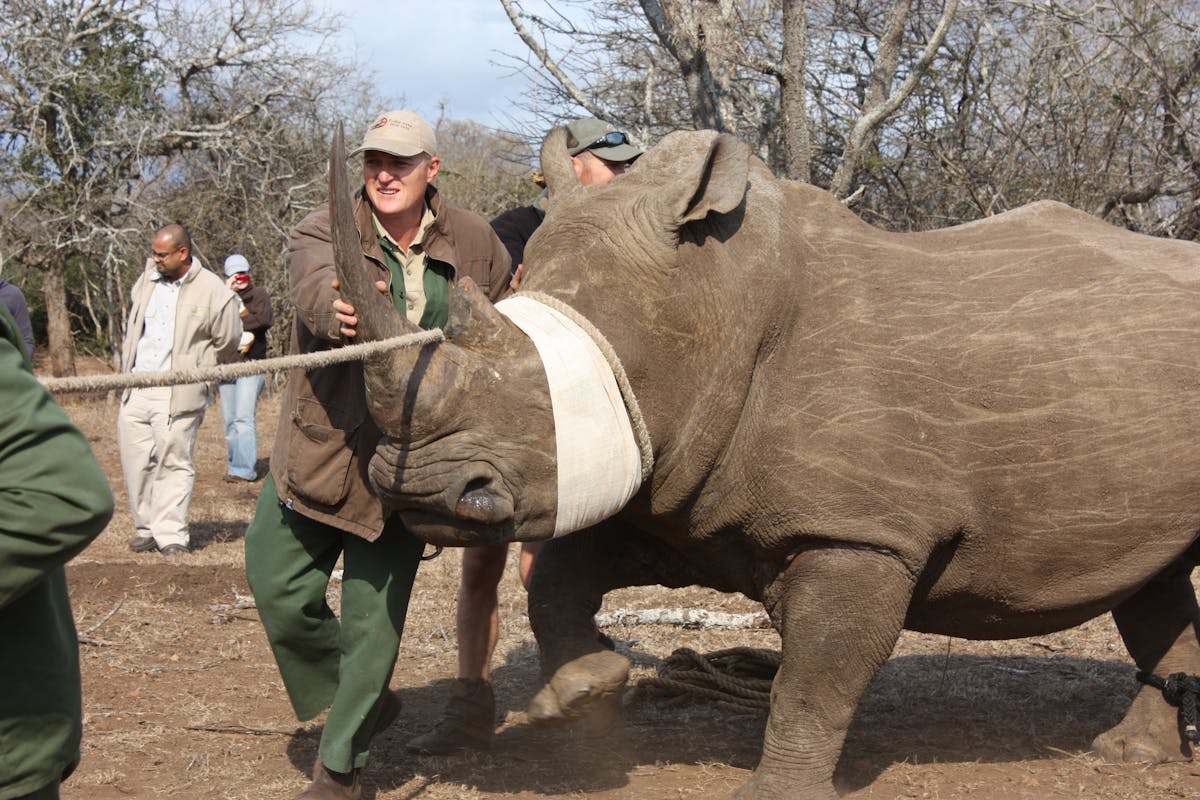
As a volunteer with the Wildlife Capture Team your role will be very hands-on. Depending on the animals being captured and relocated, you’ll get involved in the following activities:
Make sure you arrive ready to get your hands dirty, as you’ll be helping the team with every aspect of wildlife capture and relocation.
Sometimes animals are taken into quarantine, either to prevent a disease outbreak or to protect the animal itself from attack. Quarantines can last anywhere from a few weeks to several months.
As well as gaining hands-on experience (which you can read about under the ‘do’ tab), you’ll also learn about the conservation, biology and behaviour of Africa’s wildlife.
Is your child thinking about volunteering with us? Hear from parents of previous volunteers and learn all about the safety practices we put into place to ensure everything is taken care of.
Learn about the main threats to predators, from the human-wildlife conflict to bushmeat hunting.
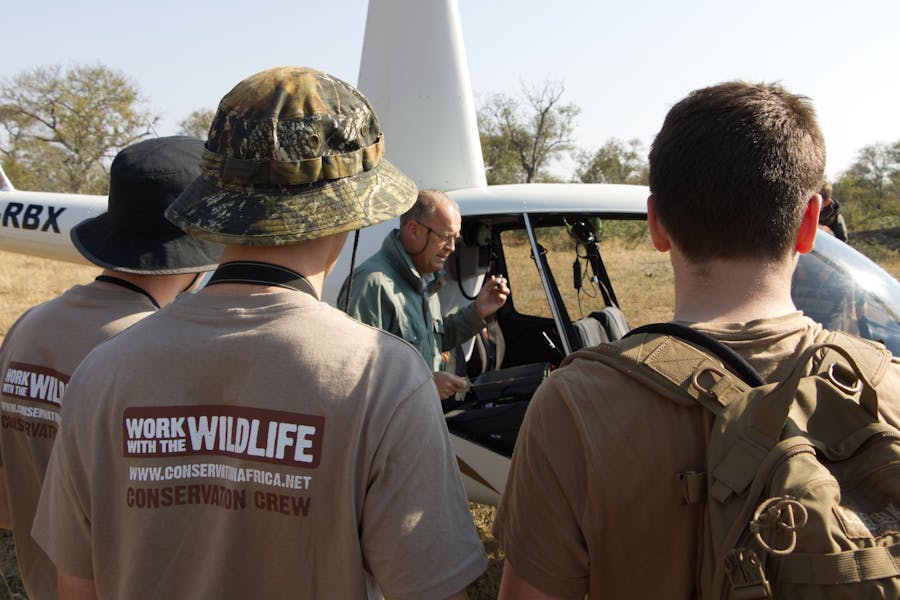
What have the staff and ACE volunteers of the Game Capture Experience been up to recently? Why not take a look?
Learn how Jenni Cowan began her fundraising for a five month conservation placement with ACE.
Read about a typical day with the Game Capture and Relocation Team at African Conservation Experience.
Most of our travellers like to combine multiple projects to create a tailor-made trip. The combined price of projects is cheaper than the individual projects added up online.
We offer combinations of conservation projects, transport between them, accommodation and travel insurance as you require. We are a travel operator, not an agent, which means we take full responsibility for your trip which will be financially protected through ABTA and ATOL.
We will discuss your options and tailor your experiences so you can realise your dreams.
Your journey to Africa starts with our online application form. This is your chance to tell us about yourself and what you want from your African experience. Following our communication, we’ll send you a bespoke itinerary and quote. Then, you only need to pay a deposit amount of GBP 295 / USD 400 / CAD 500 / AUD 500 / EUR 350 to book your entire trip.
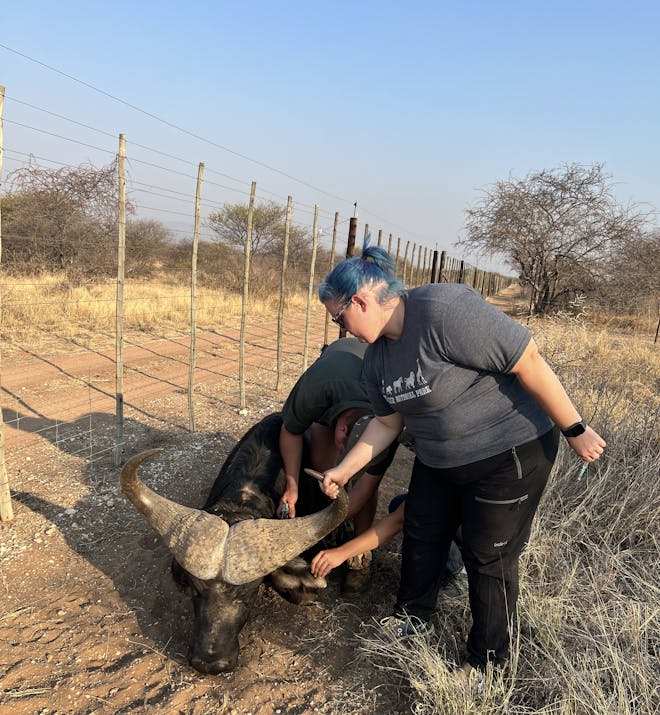
The most amazing thing about the whole trip is that I felt that in some small way, I made a real difference in conservation.
Read Kaitlyn’s Story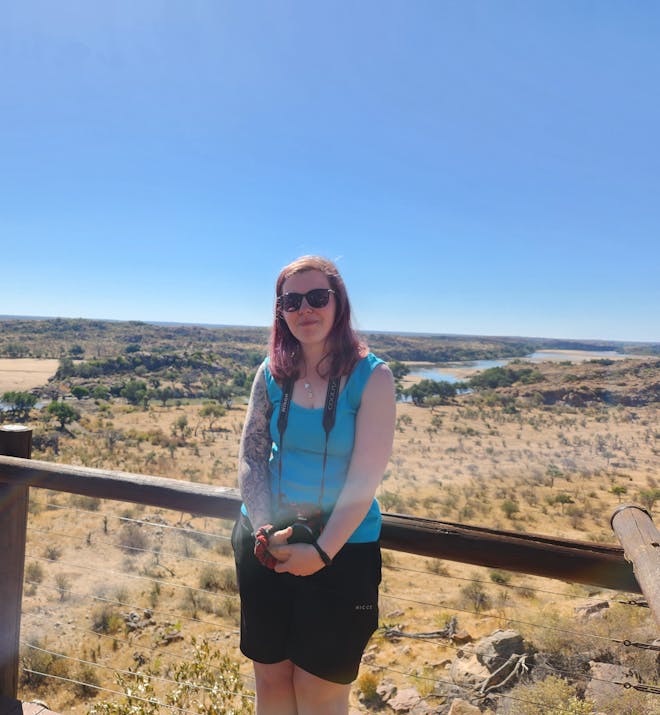
The whole experience with ACE has made me realise that I want to go into wildlife conservation whether it's based in the UK or internationally.
Read Rebecca’s Story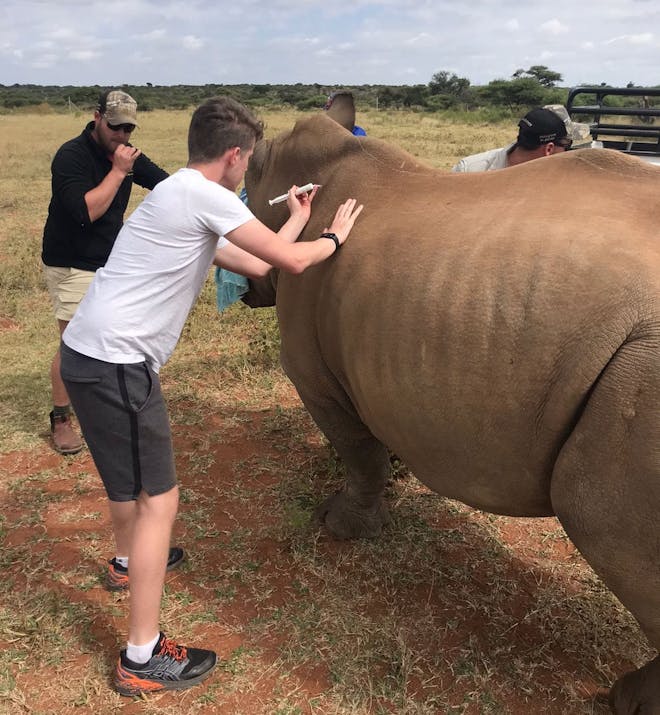
I would definitely travel with ACE again, and I’d love to volunteer at the variety of projects that they work with in the future! I feel like I could return time and time again and never stop learning.
Read Alex’s Story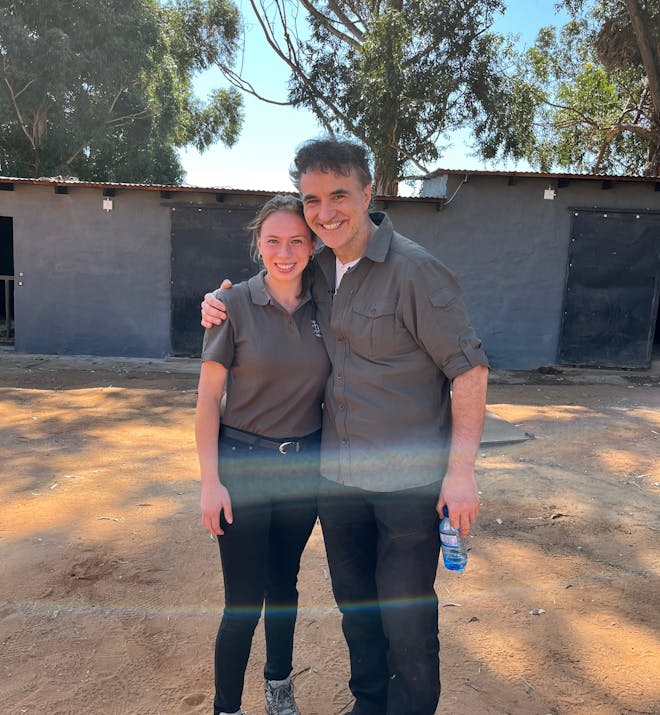
We got to assess all of the radiographs with the Supervet Noel Fitzpatrick for cranial cruciate ligament disease. It was so, so special, and my timing was just incredible and both the orphanage and Noel were amazing throughout.
Read Chloe’s Story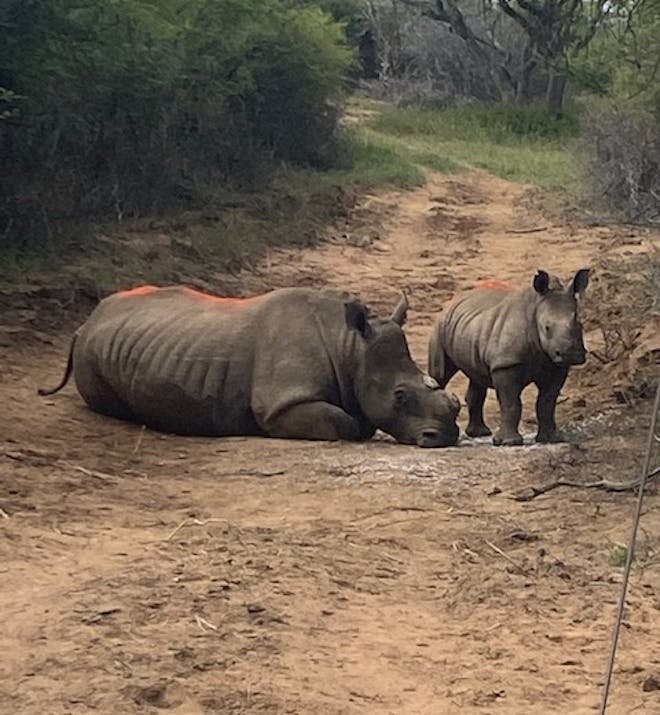
The vet I worked with was an inspiration... He was very friendly, funny, and laidback, but also amazing at his job.
Read Ella’s Story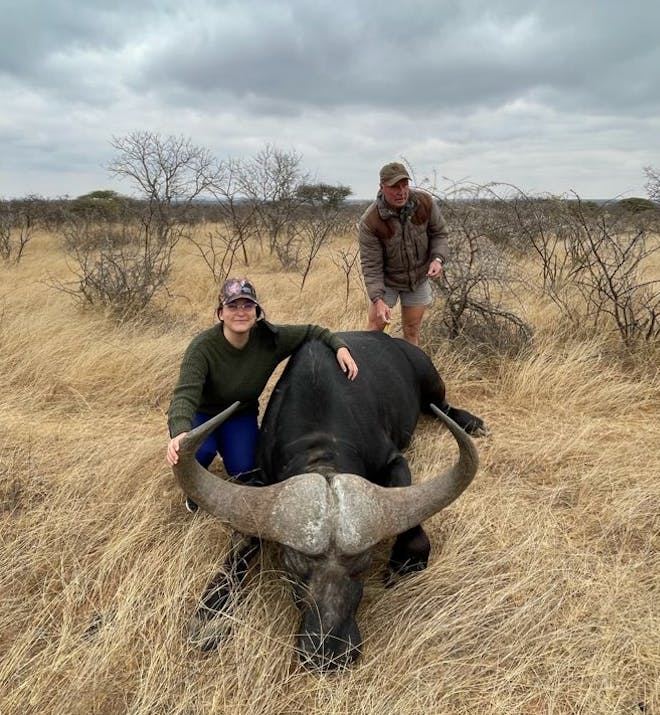
During my first consultation they helped me choose a project that would fit my own personal interests and goals. ACE guided me every step of the way. It’s not common for an organisation that arranges international experiences to be so involved with the person.
Read Michelle’s Story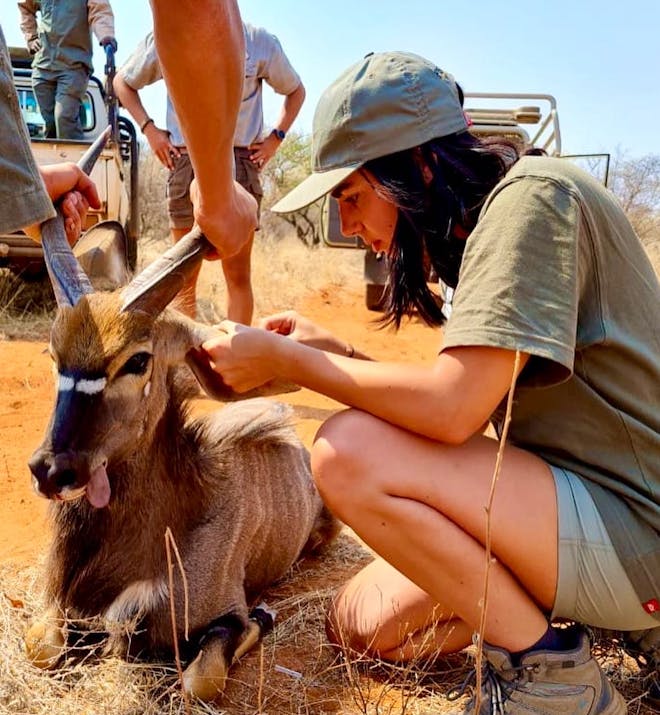
Every step of the way ACE was there for me, from the first phone call to arriving back in the UK after I finished my experience.
Read Natasha’s Story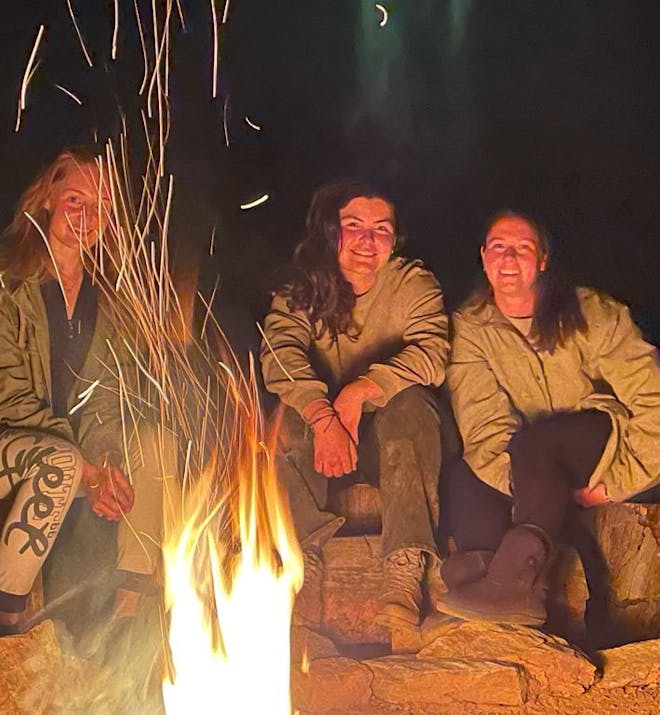
I would discuss my thoughts and plans with the ACE team and they helped to advise me on which projects would be best for a more comprehensive understanding of wildlife industries, which will go on to help me in the future. Whilst in South Africa, I was able to contact the ACE team 24/7.
Read Siske’s Story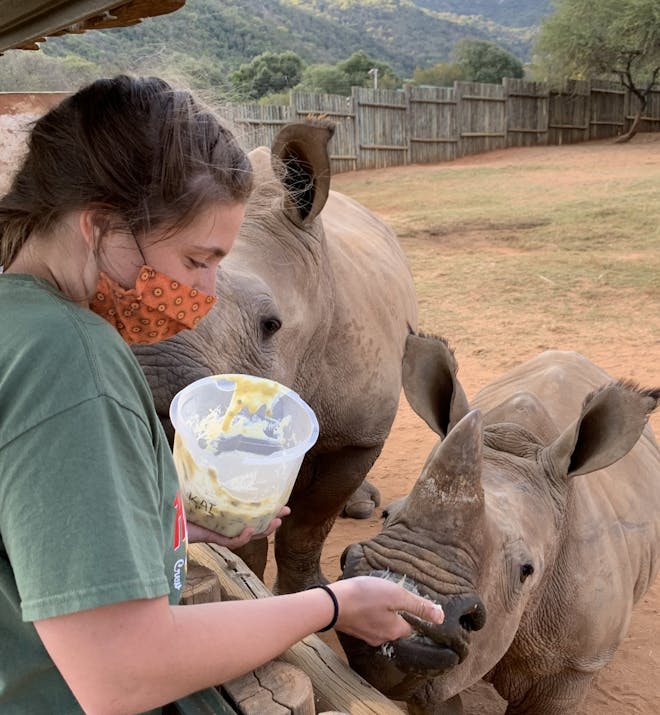
The support provided was excellent, ACE were there 24/7! If I had a question they would always answer it very quickly.
Read Rebecca’s Story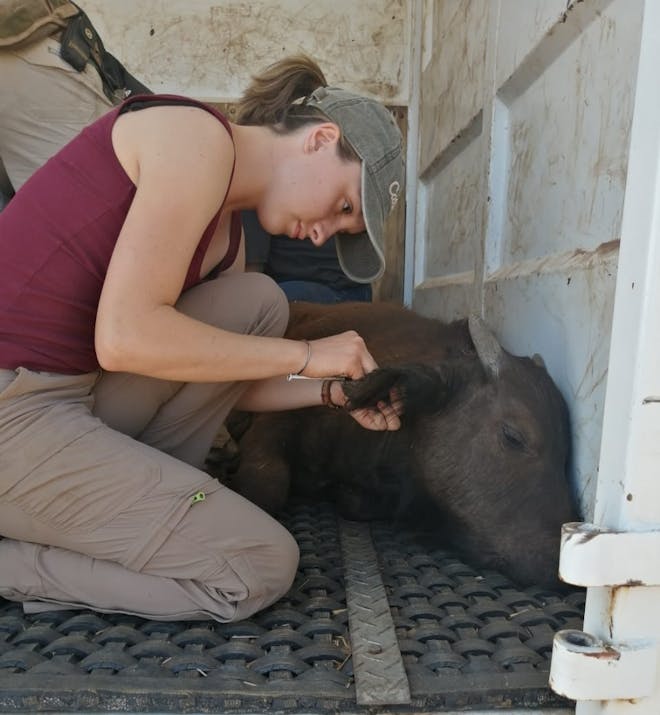
I cannot thank the wonderful people at ACE enough for the unforgettable trip I had in South Africa.
Read Sophia’s Story
Southern Africa's original conservation travel company

We are qualified zoologists and conservationists

Personal guidance before you book

Join real wildlife conservation projects

Enjoy total peace of mind, with 24/7 in-country support

Empower vital conservation initiatives