Mofemedi Rhino Recovery Initiative

Protect one of Africa's most vulnerable species

As reserves increase monitoring of their rhino to reduce poaching for rhino horn, join the passionate team at the forefront of rhino conservation in a recovery programme for this vulnerable species.

White rhino protection
  • Rhino tracking, identification and behaviour monitoring
  • Learn GPS recordings and data analysis to record rhino ranges and territories
  • Analysis of rhino midden sites
  • Rhino monitoring and reaction programme
  • Production of range utilisation maps for elephants and rhino populations
  • Elephant behaviour studies and radio tracking
  • Buffalo habituation
  • Large predator camera trap census
  • Reserve management and boundary maintenance

Conservation Value

In 2011, the Department of Environmental Affairs recorded a catastrophic 450 rhinos killed for their horn by poachers in South Africa. The Mofemedi Rhino Recovery Initiative is working at the edge of a current conservation focus, where funds and man power are vital in the protection of this beautiful species.

  • Rhino Behaviour
  • Rhino Grazing
  • Rhino Monitoring
  • Veterinary Immobilisation
  • Radio foot collars
  • Darting of rhino
  • Fitting research ankle collar
  • Keeping the rhino cool
  • Elephant monitoring
  • Radio Tracking
  • Radio Collar
  • Rhino Horn
  • Rhino tracks
  • Buffalo Habituation
  • Accommodation at Mofemedi

Rhino Behaviour

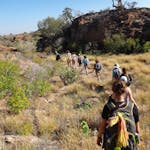
Track rhino herds in the bush, recording behaviour and ascertaining GPS locations to create range utilisation maps

Rhino Behaviour

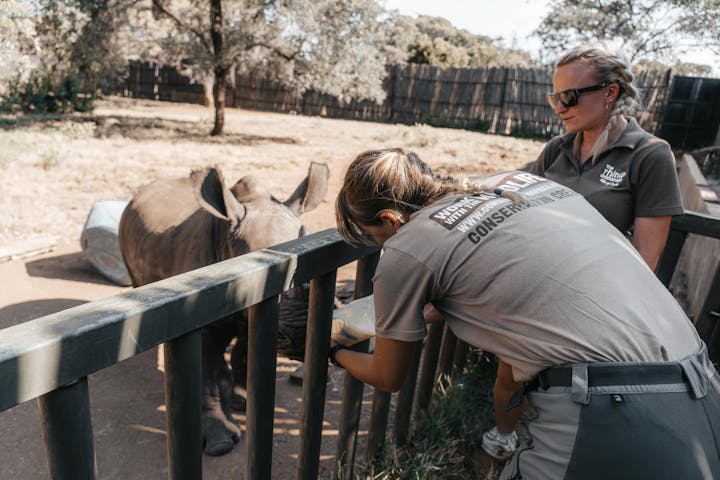
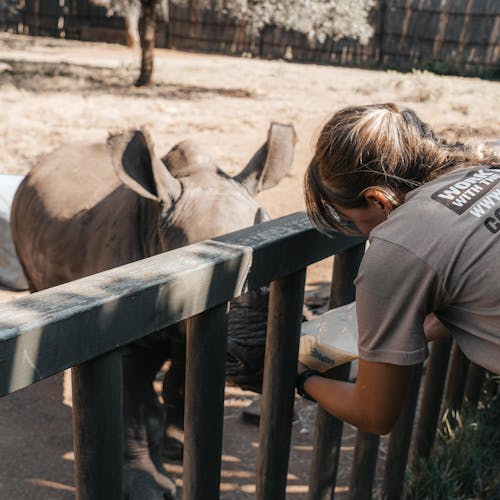
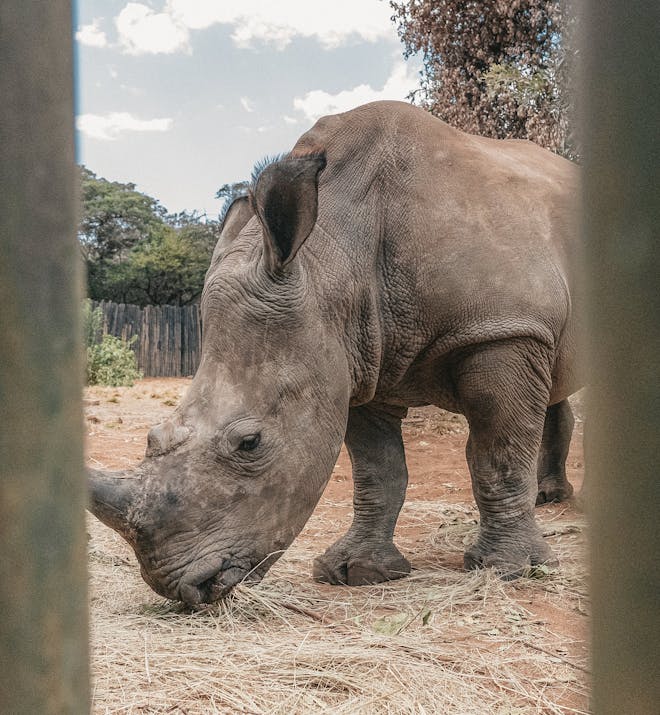
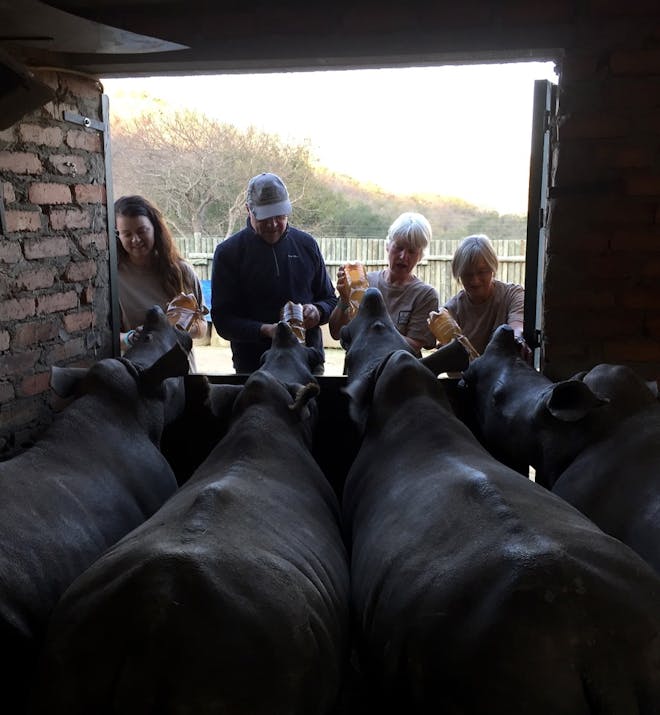
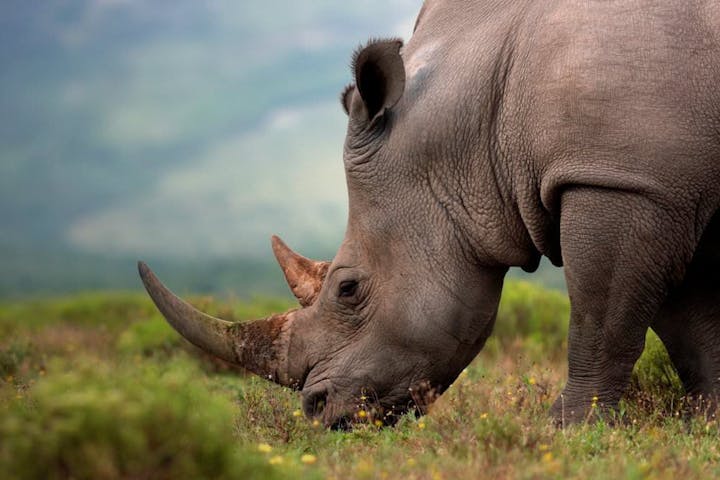
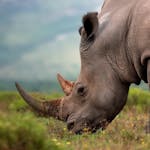
Rhino Grazing

The Mofemedi Rhino Recovery Initiative allows you to join a dedicated and determined team to make a real difference to rhino conservation and ensure this majestic species continues to roam freely throughout it's natural habitat.

Rhino Grazing

Rhino Monitoring

Volunteers and the team will monitor rhino herds on a daily basis, producing clear data of movements, ranges and behaviour.

Rhino Monitoring

Veterinary Immobilisation

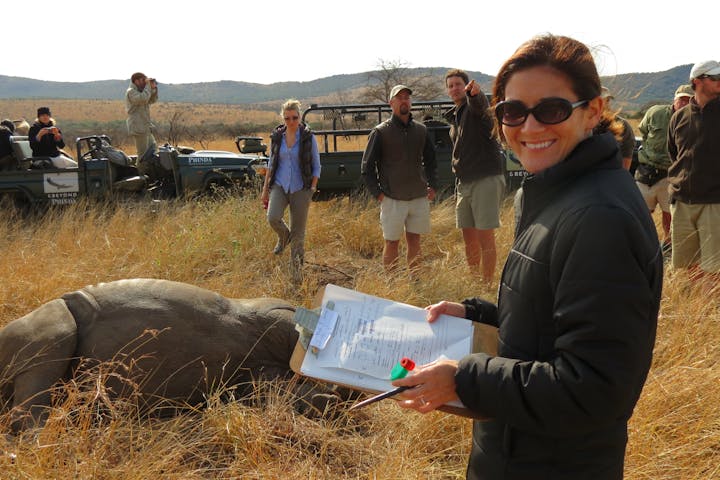
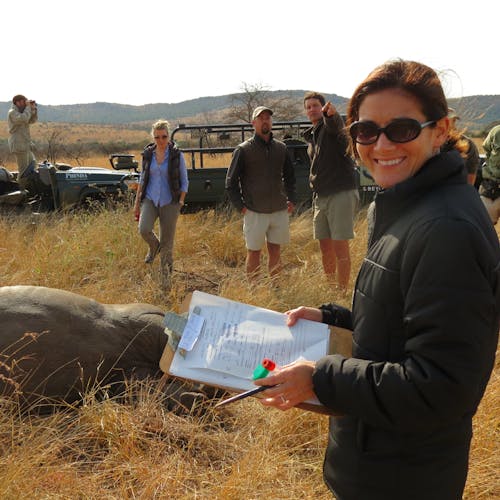
Rhino within the population are darted using veterinary chemical immobilisation drugs to allow the Mofemedi team to fit radio collars and micro chip the rhino horn for identification purposes.

Veterinary Immobilisation

Radio foot collars

Rhino on the reserve are fitted with radio collars around their lower legs to allow for radio tracking and faster identification of location. During April 2012 volunteers will assist on fitting foot radio collars to two rhino on the reserve

Radio foot collars

Darting of rhino

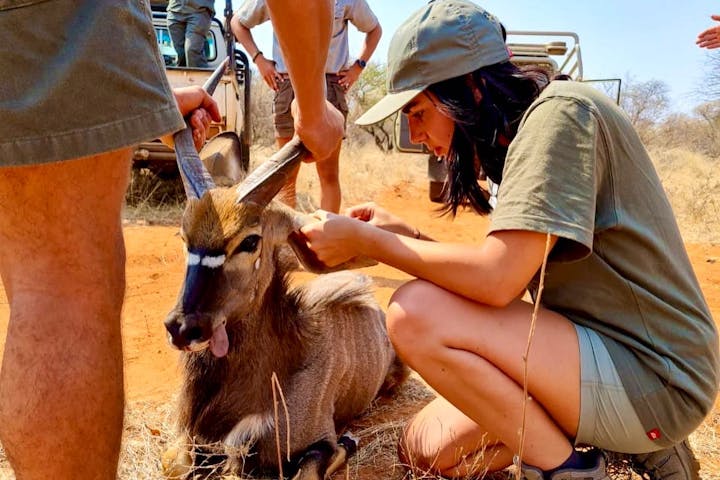
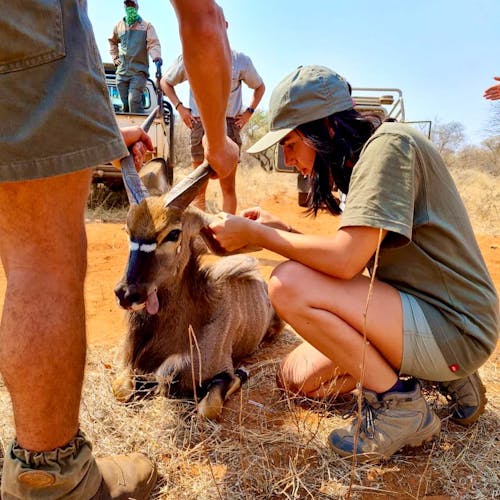
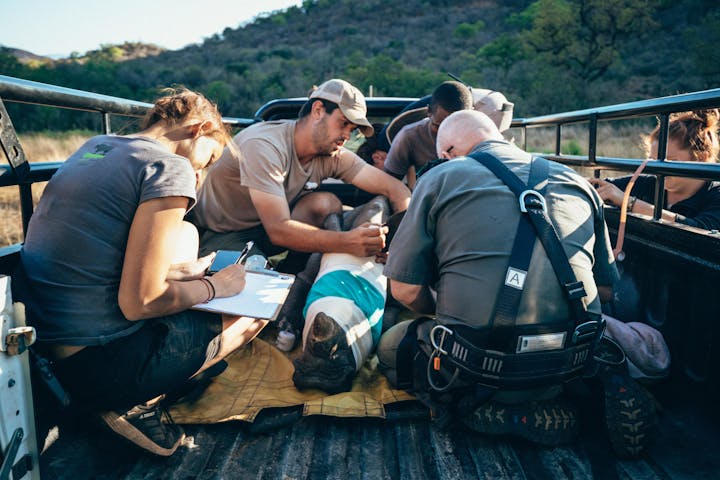
When Rhino are darted to have radio collars fitted, volunteers will work alongside a resident veterinarian, who will guide you through the observations and techniques you will need to assist with, such as blindfolding the rhino and plugging the ears to reduce stimuli while it is anaesthetised.

Darting of rhino

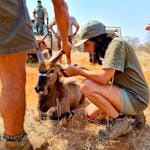
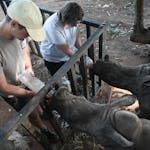
Fitting research ankle collar

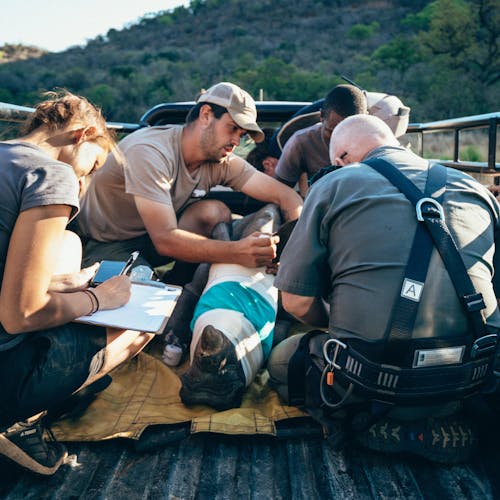
The volunteer team fitting an ankle collar to the darted rhino to allow for detailed tracking

Fitting research ankle collar

Keeping the rhino cool

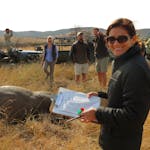
While the rhino is sedated volunteers pour water over it to keep it cool

Keeping the rhino cool

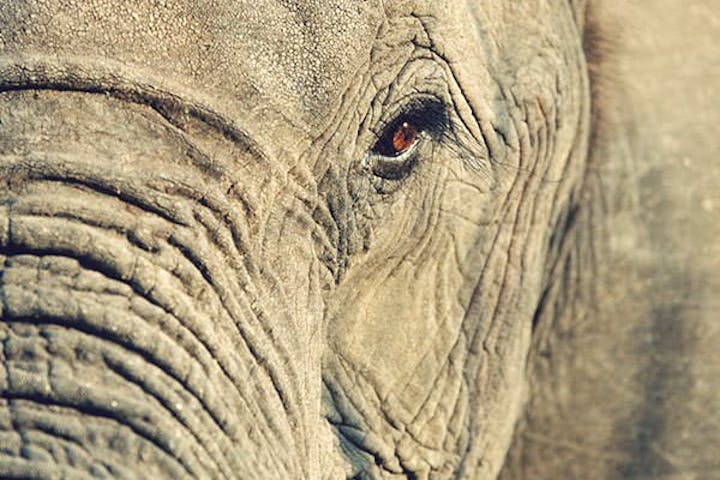
Elephant monitoring

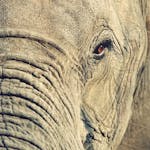
As a Mofemedi volunteer, you will also assist with the habituation and tracking of the elephant population on the reserve to enable improved management of the herds and their impact on vegetation.

Elephant monitoring

Radio Tracking

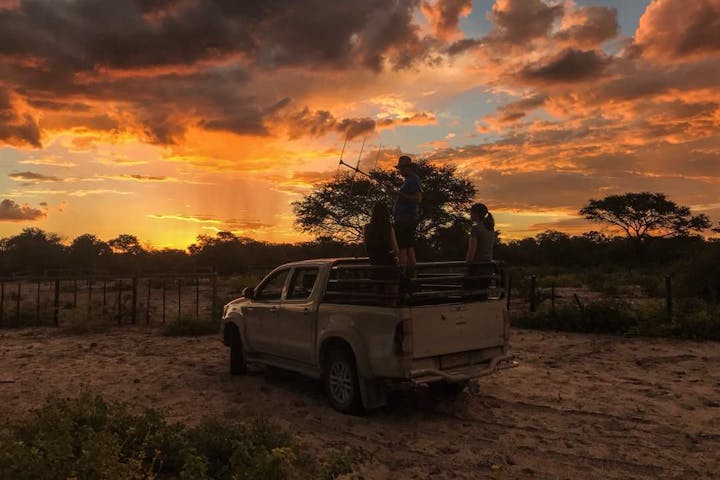
Volunteers are taught to use the radio tracking equipment. Each individual collar has a unique frequency on which it can be tracked. This allows for more specific tracking of the animals over the vast reserve on which Mofemedi is based.

Radio Tracking

Radio Collar

Fitting radio collars to the leg of rhinos deters poachers. Growing evidence suggests that rhinos which are tracking and monitored on a daily basis are less likely to be poached than rhinos which are not regularly monitored.

Radio Collar

Rhino Horn

Some reserve owners have taken action to reduce the incidence of poaching on the reserve by removing the horn of the animals to deter poachers. Working at Mofemedi will allow the rhino to retain the natural growth of both horns while being protected as a herd.

Rhino Horn

Rhino tracks

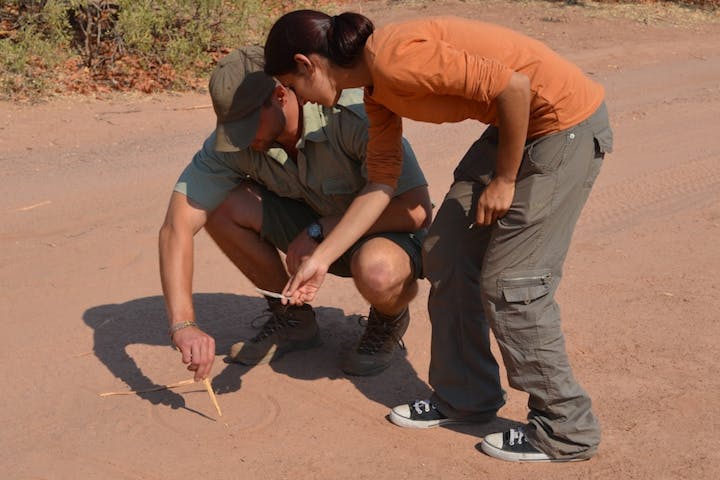
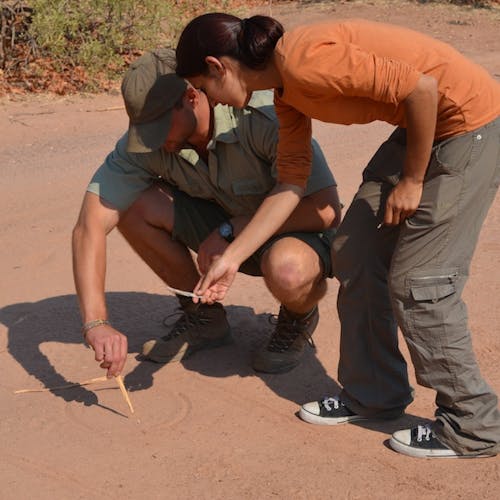
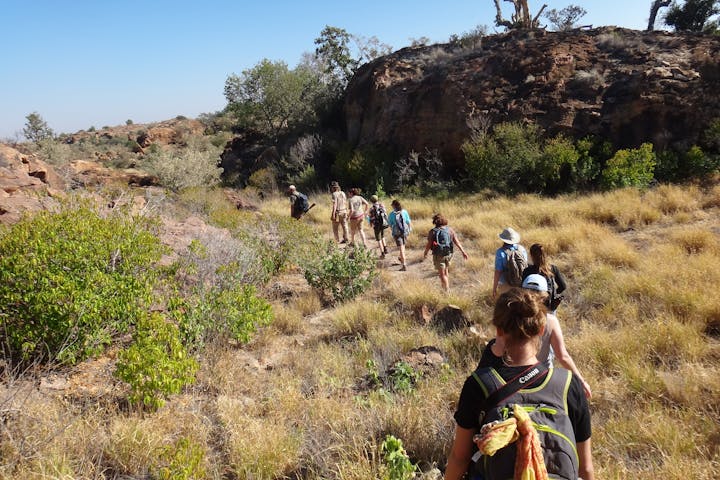
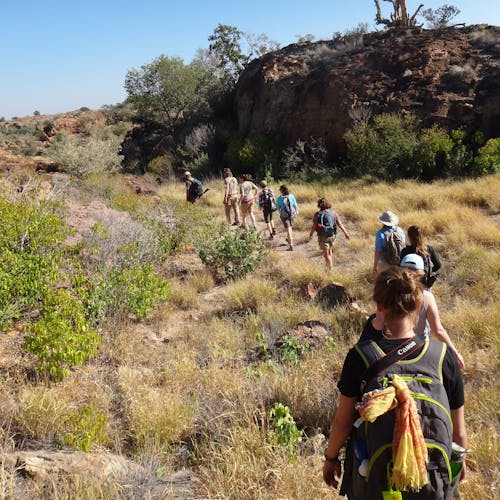
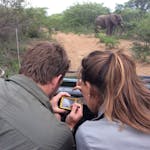
Sometimes the team rely on traditional tracking to locate the rhinos

Rhino tracks

Buffalo Habituation

As part of the project, volunteers will also assist the reserve management in buffalo habituation to manage the disease free population. Buffalo can be quite skittish and nervous which causes inaccuracies in estimating population numbers of females, males, juveniles and calves.

Buffalo Habituation

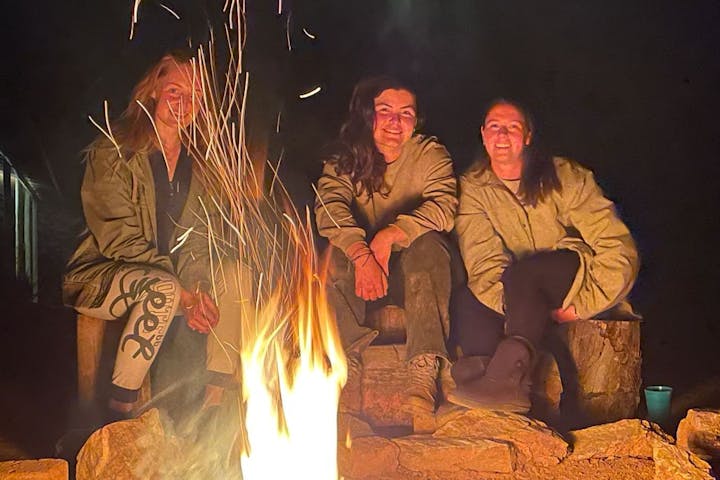
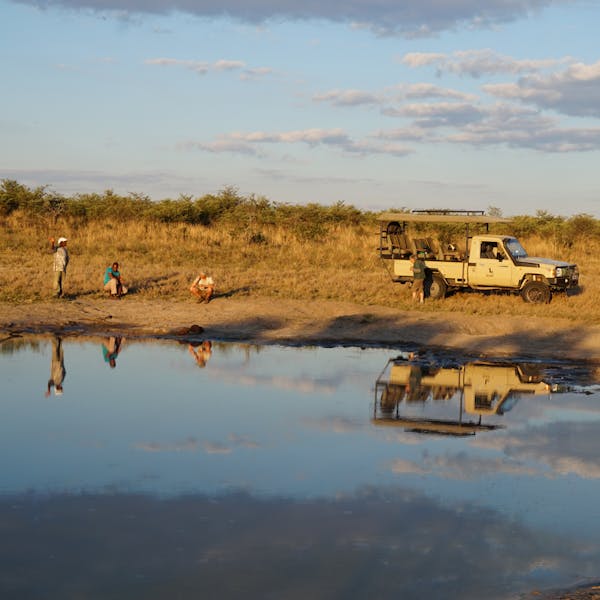
Accommodation at Mofemedi

Based on a vast and rugged reserve in the Limpopo Province, you will be exposed to spectacular habitats with a mountain range running through the reserve providing a wildlife haven. The reserve is home to a great diversity of game with over 5000 animals traversing the land. A traditional African thatched camp will be your home during your placement, with shared rondavels overlooking a waterhole which attracts many animals.

Accommodation at Mofemedi

Work with the Wildlife

As South Africa tackles the problem head on and deploys military troops along the borders to curb poaching and cross border crime, reserves themselves are having to increase monitoring of their rhinos to reduce the incidence of poaching.

Mofemedi, which means protector in Setswana, encapsulates the vital work of this project.

The Mofemedi Rhino Recovery Initiative will undertake to obtain visual sightings of the rhinos and record daily movements of the species. The team will also maintain a presence in and around the area where the rhinos are frequenting.

Rhino Protection Initiative

With South Africa being the focal point for trade of rhino horn, home to 70-80% of the global rhino population, their protection is now paramount

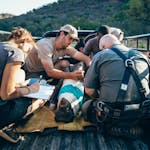
  • You will be part of the monitoring and tracking team dedicated to finding and monitoring the rhino populations within the reserve.
  • Determine rhino territory and range patterns using midden sites and GPS technology.
  • Monitor rhino behaviour and interactions
  • Learn GPS technology to mark the location of these animals regularly, creating movement maps and range utilisation. 
  • Provide a resource, through your volunteer funding, to fit radio collars to rhino on neighbouring reserves. Volunteers will assist with veterinary darting of the animals, monitoring anaesthesia and fitting of radio collars. Radio frequencies will allow you to monitor their movement patterns daily. Unusual movements or static collars will be reported to the owners immediately, allowing a fast reaction to possible poaching situations.

Elephant Monitoring and Tracking

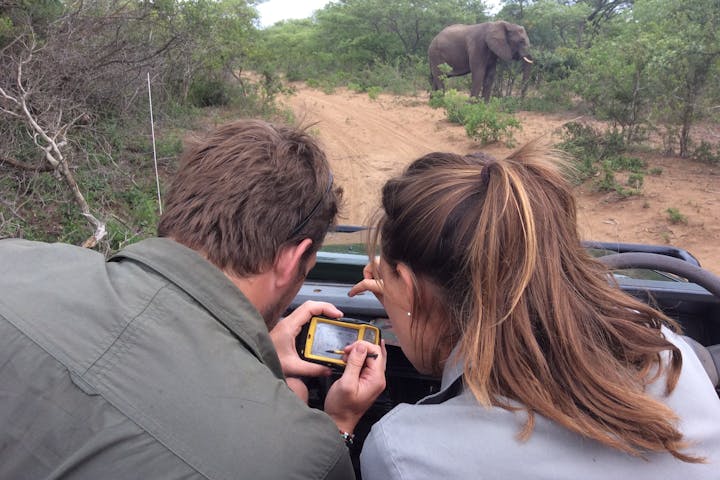
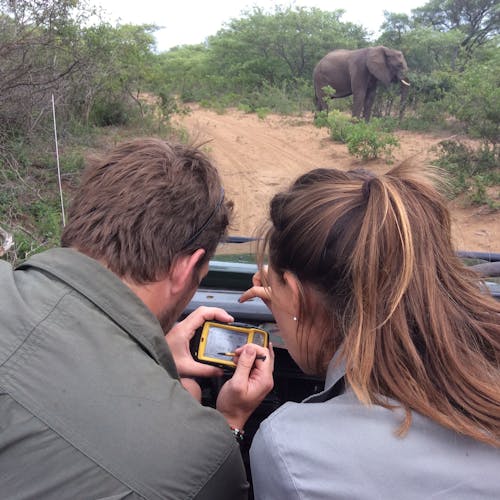
As part of the project mandate, volunteers will also be tracking and monitoring the local elephant population in an effort to habituate them to people and improve understanding of how they are impacting upon the reserve.

  • Track elephant populations in the reserve and record GPS locations
  • Record elephant behaviour and movement patterns

Buffalo Habituation

Assist with a buffalo habituation project on the reserve to allow for better management of the disease free group.

Large Predator Research Camera Census

  • Volunteers will manage a camera census of all the large predator species on the reserve
  • Analyse and record data from automatic research camera traps around the reserve, recording species over a 24 hour period.
  • Night drives to ascertain a better understanding of the nocturnal predators on the reserve.

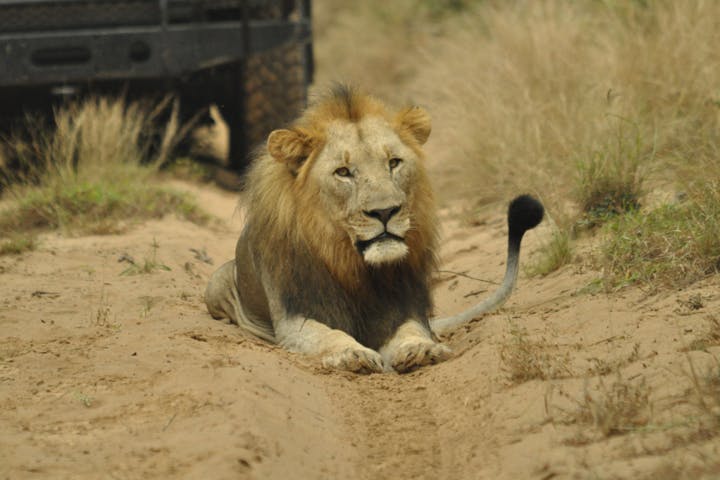
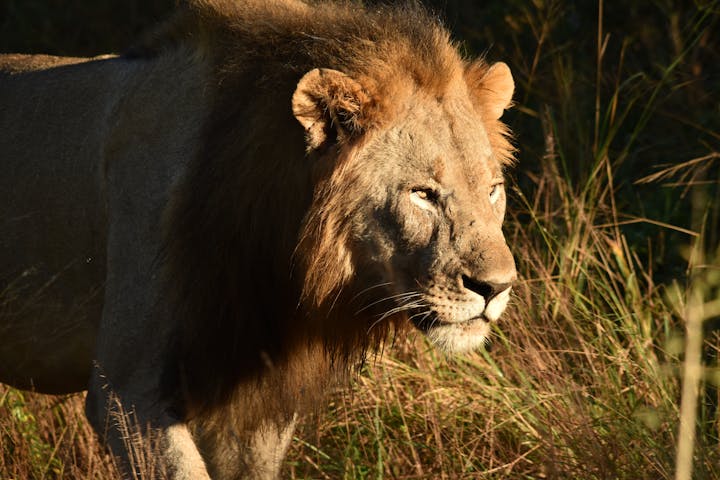
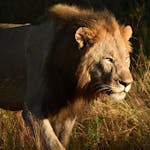
Volunteers will also assist with feeding of a small population of lions on the reserve in a protected area. This population were rescued as young cubs and imprinted on humans through the process of hand rearing, therefore unable to safely roam freely.

Download Project PDF

Hear from other volunteers who've visited Mofemedi Rhino Recovery Initiative

The rhino are extraordinary, prehistoric, they almost look impossible when you see them up close. I... click for more...

The rhino are extraordinary, prehistoric, they almost look impossible when you see them up close. It is devastating to think how fragile the population is. The threat of poaching is very real. As well as the rhino, which are, of course, the stars of the show, the property hosts a number of elephants...After a few minutes the enormous bull elephant lumbered into view, so huge and so close his dark shape almost obliterated our spy hole. The intensity of the moment was extraordinary; we could see the hairs on his trunk. For the first time it dawned on me just how tiny we are in comparison to such a mighty animal. He appeared to look right at us, I was torn. On the one hand, surely we were sufficiently concealed that he couldn’t have, on the other, these are intelligent creatures, and he must sense us. In any event he cannot have identified us a threat. He stood for a while with his foot hovering just above the ground (apparently elephants do this to pick up communication sounds from other elephants). Then, apparently satisfied, he stayed, and with his trunk drank deeply, pouring water down his throat gallons at a time in a great slosh of sound. It was mesmerising, because of the low hide our eyes were at ground level so he seemed even more gigantic than he actually was. An elephant with intent could crush a person in a moment. I didn’t feel unsafe as such, but I felt very aware of the privilege of being so close to a wild animal of such stature, and I could feel the hairs on the back of my neck stand on end! These magnificent creatures deserve our respect as well as protection. After 15 minutes or so, his thirst sated, our bull moved off gently sauntering.

Lucy Marris, Career Break, 2013

The project was brilliant! It is quite different to other volunteering projects I have done before as it is a very new project and a lot of the work is getting things set up for the project, like driving new roads on the reserve to mark them on a GPS. When I was there we tracked the rhino most days, along with elephant and buffalo. There is a drought at the moment so everything is very dry and as a result we had to give some supplemental food to the buffalo each day. Camp is great and very relaxed. The rooms are rondavels with 4 sharing each (if there are that many of you - when I was there there were only 2 of us so we had our own room each!). Adam will still be at the project when you are there, and he is a great project leader. I run an organisation called Helping Rhinos and have written a report of my trip, which has just been approved by the person who runs the project.

Simon Jones, Volunteer 2012

Last Friday we joined a team to dart a rhino and a buffalo. Our job was to track the rhino and radio the location to the helicopter pilot on standby. We didn't actually see the rhino but found her tracks so knew she was in the area. We didn't see the actual darting as it is done from a helicopter by a vet. The drugs used to dart a rhino are very powerful and can only be administered by a vet. Once darted the pilot radios the ground crew (us) and we move in to affix a collar. I got to hold the rhino's leg so she wouldn't kick Anthony (the project Coordinator) who was putting the collar around her ankle. I felt her leathery hide and she was quite warm... Water is poured over her to keep her cool. Luckily it was cloudy. She was a beautiful rhino ...after the darting I was overcome with emotions. What a privilege to be so close to such an amazing animal. It breaks my heart that her species may not survive on this planet because of the greed of humans. I hope I've helped in a small way to help protect her kind.

Peggy Vaucher, Volunteer 2012

Price Calculator

Include flights from:

Currency:

Calculate Estimate

Your placement cost includes return flights and carbon offsets (if selected), return transfers from Johannesburg Airport to your project, all accommodation, meals (at most projects), transfers between projects if you are volunteering at more than one project, the 24 hour support of our South African ground manager, ACE T-Shirts, and, of course, the contributions to the projects, without which they could not operate. Read more about the costs, where your money goes and financing your volunteering placement here