

Make it yours
Every experience is customised to be just right for you.
WILDLIFE VOLUNTEERING: THE RED FLAGS MOST PEOPLE MISS
Get the free guide
Imagine being part of a dedicated team caring for Africa's most vulnerable animals. Animal care volunteering means supporting trusted wildlife sanctuaries in their vital work to rehabilitate injured and orphaned wildlife across Africa.
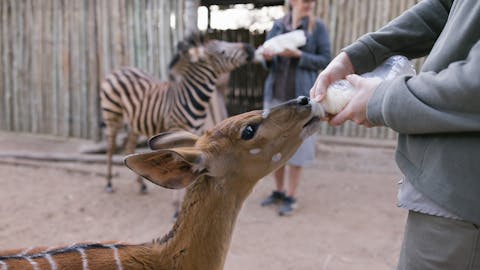
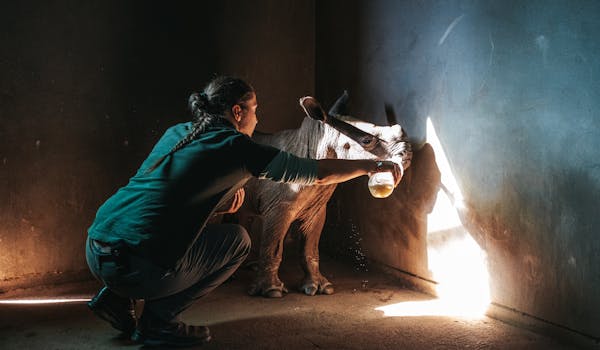
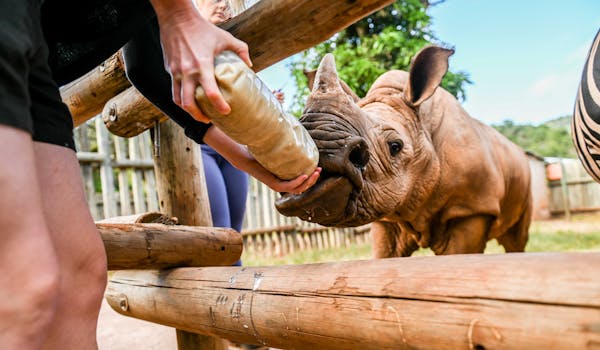
Whether you're bottle-feeding an orphaned rhino calf, assisting a vet treating a wounded zebra, or supporting a young hippo as it gains strength for release, your time and commitment makes a real difference to animals in need. Working closely with these incredible creatures, you'll build practical skills, form strong bonds and witness their resilience up close. A truly meaningful experience for anyone who cares about animal welfare. Many people who come for the animals find themselves drawn into the wider world of wildlife volunteering in Africa, too.
Play a vital role in wildlife care. From rescue to recovery.
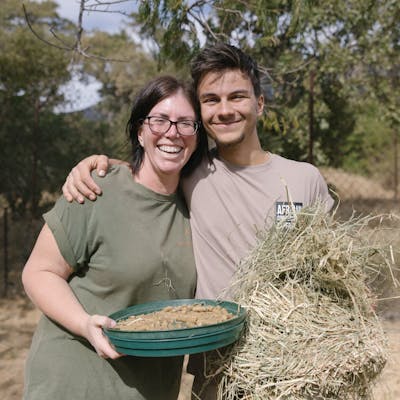
Explore animal care volunteering programs in Africa.
Help care for injured and endangered wildlife in a dedicated rehabilitation centre
View details for Moholoholo Wildlife Rehabilitation CentreMake a meaningful difference at two of South Africa's most respected wildlife rehabilitation centres
View details for The Immersive Wildlife Rehabilitation ExperienceExperience daily life working with orphaned baby rhinos, supervised by a dedicated team of experts
View details for Golola Rhino Orphanage And Rehabilitation CentreHelp save the rhino at the largest specialist rhino care centre in Africa
View details for Care For Wild Africa Rhino SanctuaryClick the button to access your free guide. We've also sent it to your email.
Inside: the 8 red flags that reveal exploitation, the 10 green flags that prove genuine conservation, and the questions to ask before you book.
Download nowFind out why animal care volunteering in Africa is so meaningful.
Care closely for wildlife and get to know their characters.
Join world-renowned sanctuaries that put animals first.

See the impact of your efforts on the animals who need your care.

Your visit provides funding for centres to continue their life-saving work.
From big cats and megaherbivores to African birds and reptiles.

You look after the animals. Our team in Africa look after you.

Join sanctuaries and centres aligned with WWF, EWT and UN SDGs.

Be part of a dedicated team caring for Africa’s vulnerable animals.
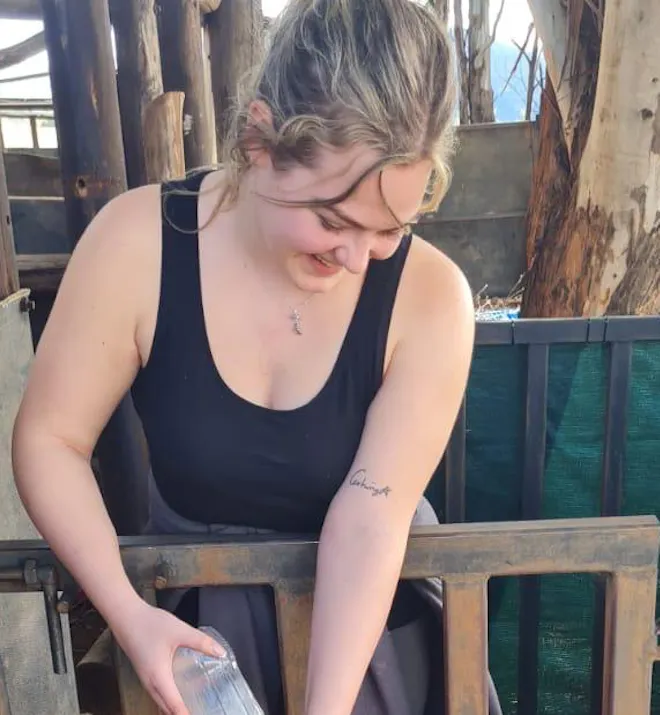
I couldn’t recommend ACE enough; they were totally incredible and found the perfect projects for me. Even though it was hard work, with some days harder than others, early mornings, late nights, and having to be ready for unexpected changes to plans, it was so rewarding, and I cannot wait to be back. My heart is full!
Read Lydia’s Story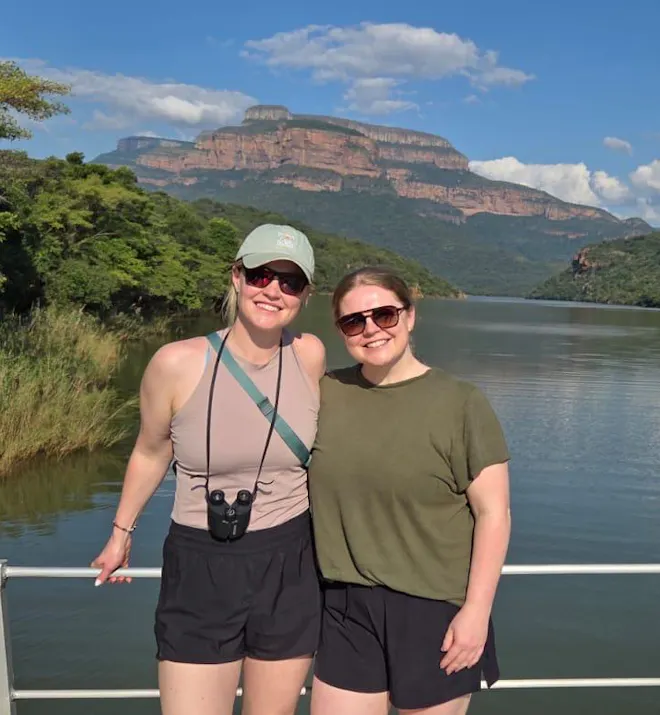
What was really refreshing about this experience was feeling the passion from other people around you. The way the teams on these projects talk about conservation is so inspiring in its own right.
Read Katie’s Story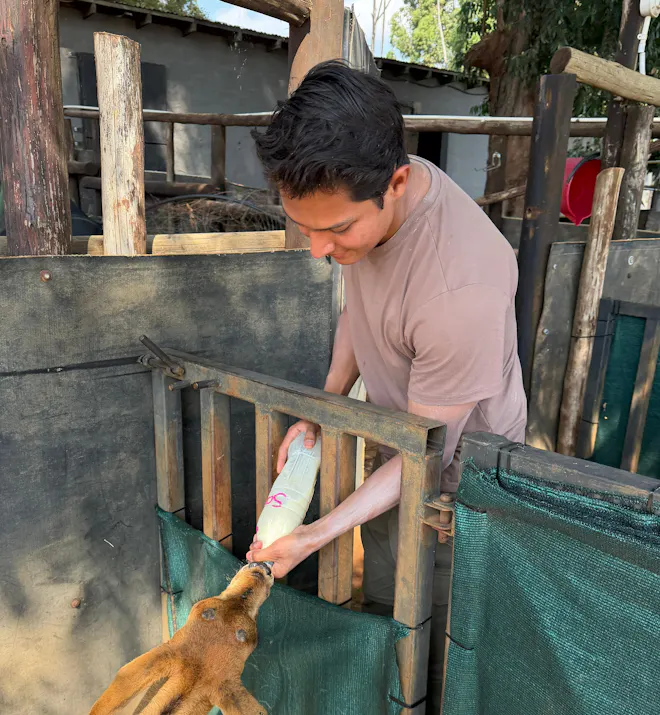
I experienced things I never imagined I would, and made memories that will stay with me forever. I would absolutely recommend this experience to anyone interested in conservation, wildlife, or adventure.
Read Rodrigo’s Story
Volunteering was meaningful and deeply moving. Even at an older age, it is still possible to make a real and valuable contribution.
Read Fabio’s Story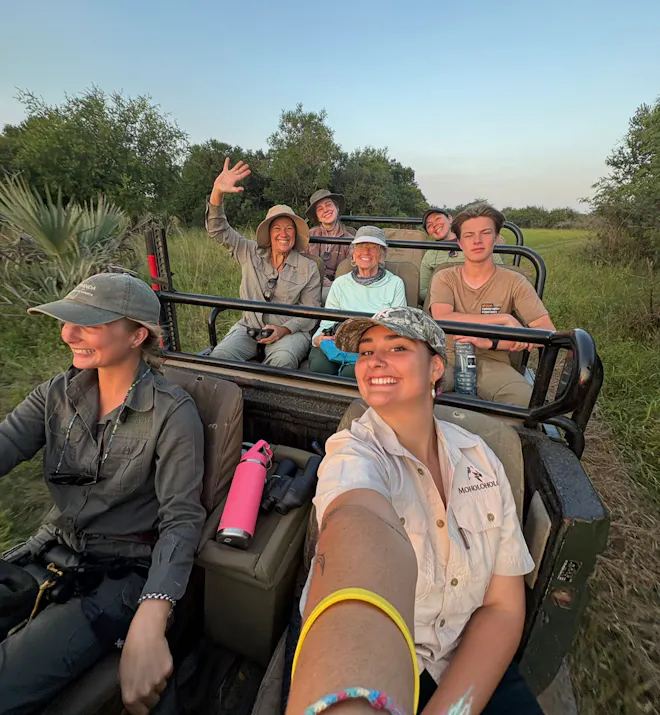
To anyone who is even thinking about doing something like this, please do it. It will change you in the best possible way.
Read Paige’s Story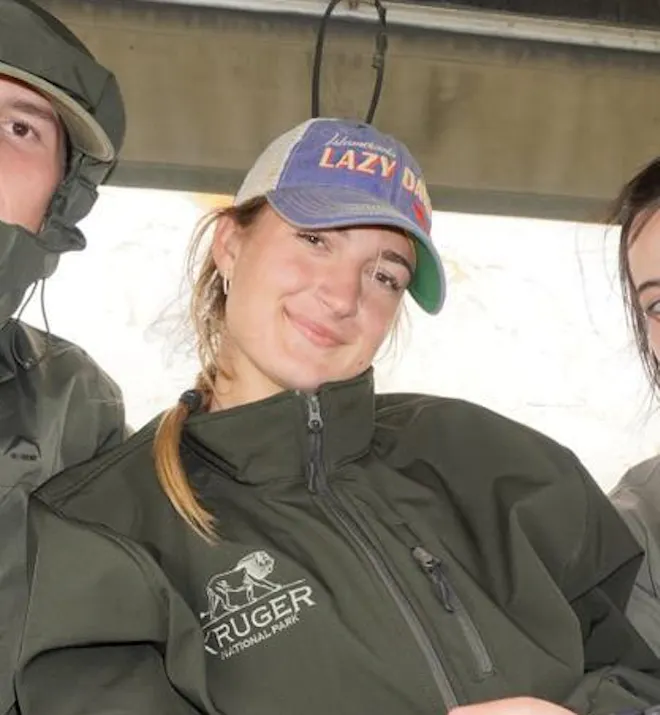
I was excited to wake up every day to a beautiful view, smiling faces, and the certainty of knowing we would have numerous amazing wildlife encounters!
Read Olivia’s Story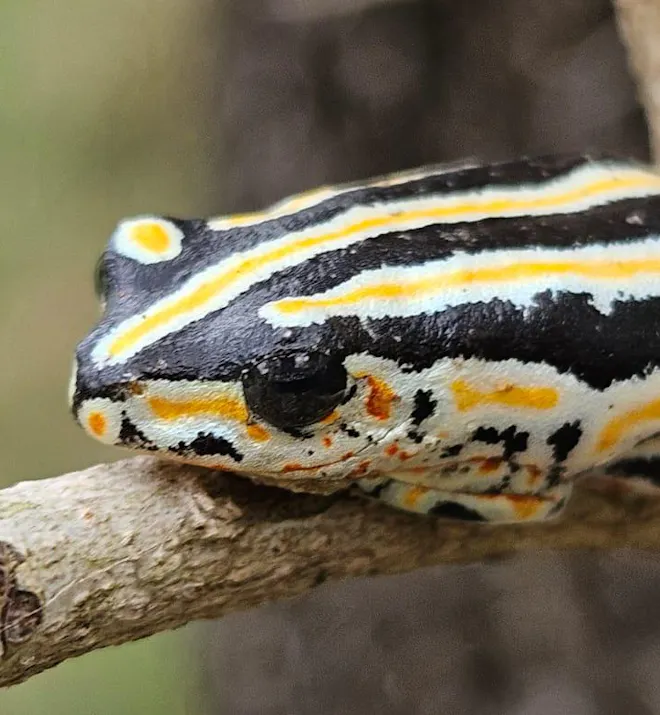
My trip has definitely helped me think about what type of career I want to pursue, and got me excited for a future in conservation!
Read Leela’s Story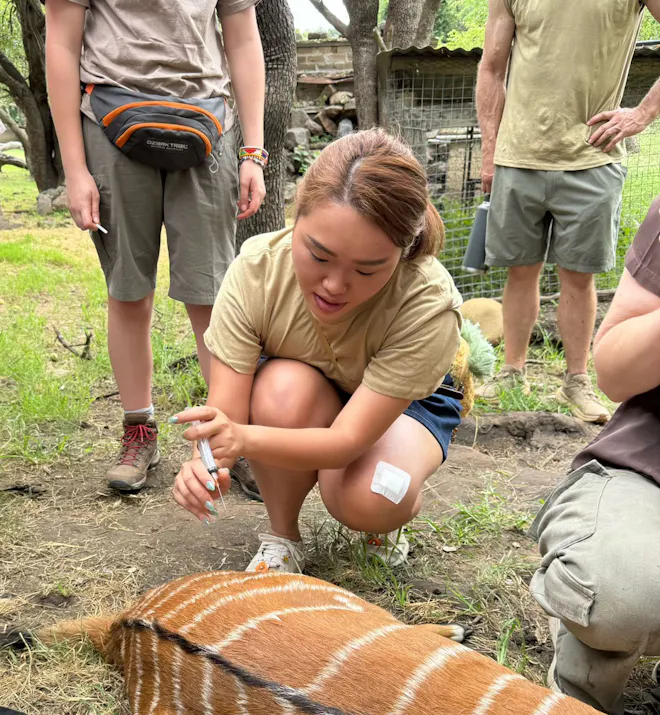
This experience left me with a deeper appreciation for the complexities and quiet commitment behind conservation work.
Read Zoe’s Story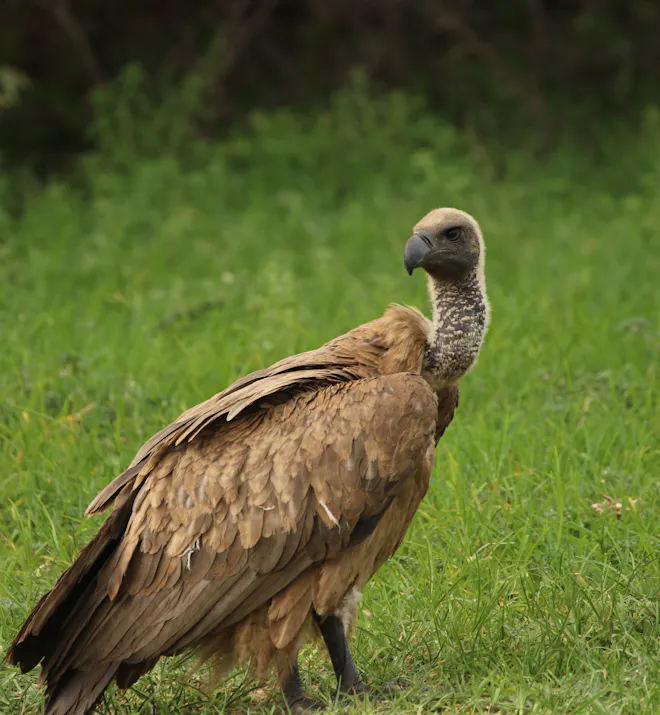
I fell in love with Moholoholo, South Africa, its people, the astonishing biodiversity, and the breathtaking scenery.
Read Gemma’s Story
Tristan Bogler's mother Sam shares her experience sending her son to Africa with ACE: Thank you for all the guidance and the care you and all at ACE have shown Tristan - and for the opportunities given to him. We are truly grateful and are already telling others about your organisation
Read Sam’s Story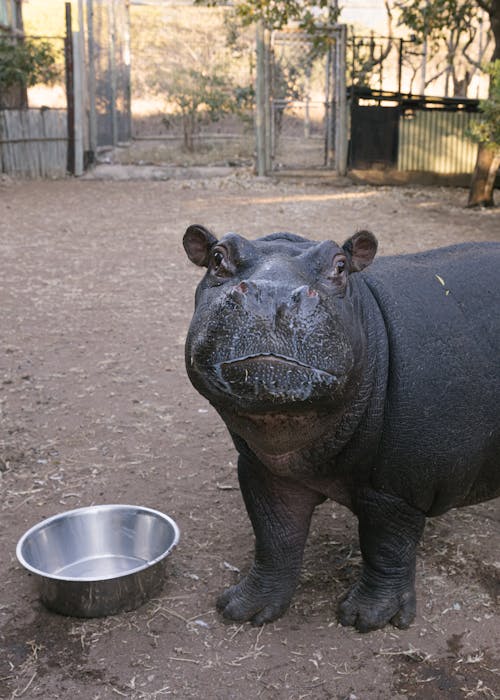
A hippo being cared for at Moholoholo Wildlife Rehabilitation Centre
Animals end up in wildlife sanctuaries and rehabilitation centres for all kinds of reasons. Our South Africa wildlife rehabilitation centres have many animals that are sadly injured or orphaned due to the actions of humans.
Rhinos and pangolins may have been the victims of illegal poaching. Others, such as vultures, arrive at animal rehabilitation centres after being poisoned by local syndicates that deal in animal parts for profit, who use lethal and untargeted methods to supply animals to the lucrative illegal wildlife trade.
The ongoing destruction of wildlife habitats and poorly thought-out building projects can also lead to animals being injured accidentally. For example, when a busy new road cuts directly through the natural habitat of a wildlife population, it becomes inevitable that animals will be hurt, injured, or worse by cars.
While conservationists would love all rehabilitated animals to be released back into the wild, sadly the instances where this is possible are generally the exception rather than the rule.
This is because, just like people, many species have complex social structures that do not allow strange animals to join unless they are from the original population. Especially when they provide competition for scarce resources or mates. So even when an animal has recovered to full health, releasing it back into the wild isn’t always possible.
Leopards, for example, are extremely territorial, and males will not tolerate any competition for females in their territory. If a leopard that has been in a wildlife rehabilitation centre is released into an area where there are already resident leopards, they will have to fight the resident leopard or be chased out of the area.
As a consequence, many animals that are taken in at a wildlife sanctuary go on to become permanent residents. So the work of a wildlife rehabilitation centre, after they have helped an animal regain full health, is to provide a rich and fulfilling life for their residents. Volunteers at a wildlife sanctuary provide direct animal care support while working towards release where possible.
For species that can be safely released back into the wild - including small carnivores and antelope, tortoises, chameleons, and various bird species - it is still very important to select a location for release where the new arrival won’t upset the balance of established wildlife populations.
As an animal care volunteer in Africa, you can have a very immediate and obvious impact on the wellbeing of an individual animal. But the effects of animal rehabilitation centres in southern Africa stretch far beyond the fences of our sanctuaries.
Some species, that have survived poisoning, can safely and effectively be released back into the wild, which is vital for critically endangered species such as hooded vultures. The animal rehabilitation centres in South Africa that we work with have exceptionally high success rates for the rerelease of certain species, including small carnivores, reptiles, antelopes and many birds. As a volunteer at a wildlife sanctuary in Africa, your efforts will support these leading animal rehabilitation centres.
By working with local communities across southern Africa, animal sanctuaries also act as important centres for learning.
Educating communities about human threats to animals and ways to safely live alongside them is a vital aspect of wildlife conservation. You can care for several animals during your time as an animal rehabilitation volunteer. However, educating a local farmer about the suffering and damage caused by using poison could save hundreds of animals’ lives.
As always, there are deep-rooted cultural challenges involved with education programs. In southern Africa, witch doctors still trade in animal parts for their believed medicinal properties. There are also ancient superstitions which lead local people to persecute certain animal species believed to be connected to witchcraft. Species commonly affected include reptiles, owls and hyenas.
Through education programs at our partner wildlife rehabilitation centres, we have successfully dispelled many of these myths and helped nurture a more positive view of wildlife in general.
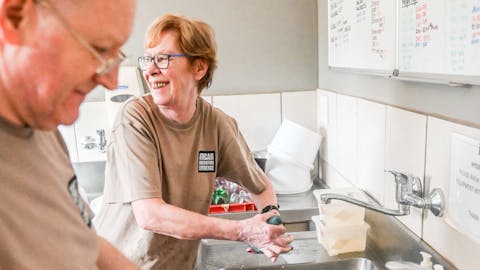
As an Africa wildlife rehabilitation volunteer, you’ll work hands-on with rescued animals at trusted animal rehabilitation centres in South Africa, helping provide daily care, enrichment, and support for eventual release where possible.
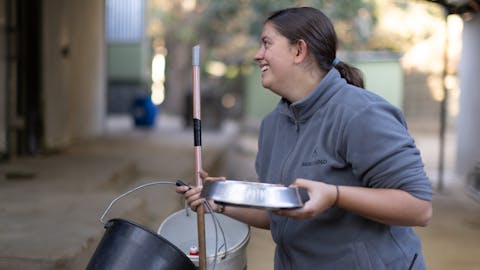
Each day, you’ll care for injured and orphaned wildlife, from birds of prey and rhinos to antelopes and small carnivores. Your work as an animal rehabilitation volunteer will include feeding, cleaning, enrichment and observation. And your role as a wildlife care volunteer will make an immediate impact to the animal's quality of life and contribute to life-saving work, turning your compassion into action.
The sanctuaries that we work with put animal welfare first and are aligned with the UN Sustainable Development Goals and comply with the animal welfare guidelines established by SATSA and ABTA, ensuring your time, dedication, and funding support genuine conservation. We are also proud to be affiliated with leading global organisations like WWF and the Endangered Wildlife Trust (EWT). If you're looking to volunteer to help animals in Africa - look no further.
Animal rehabilitation volunteer opportunities abroad allow you to assist injured or orphaned animals directly. By choosing to volunteer with us at a wildlife sanctuary in Africa, you help protect native species and contribute to their recovery, and you gain a unique, hands-on experience with animals while also making a real difference to wider conservation efforts. These animal rehabilitation centres are always active, so having as many passionate animal rehabilitation volunteers as possible is crucial to provide the consistent care and attention these animals need to heal and thrive.
We only partner with wildlife sanctuaries and rehabilitation centres in Africa that comply with the animal welfare guidelines established by SATSA and ABTA. This guarantees that our projects uphold the highest standards of care, conservation value, and ethical treatment of animals.
For more information on the topic of supporting ethical wildlife volunteering abroad, please refer to our Animal Welfare page.
We specialise in animal care volunteering in southern Africa. The centres range from specialist rhino sanctuaries to dedicated rehabilitation centres. On all of our experiences, you will learn about animal care and husbandry, wildlife rehabilitation methods, and more.
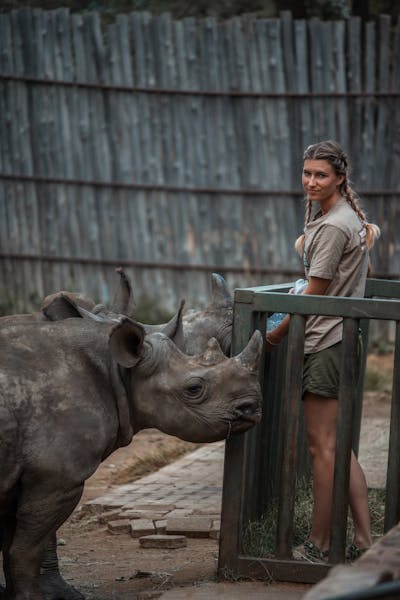
There are three incredible wildlife rehabilitation centres in South Africa we work with! Moholoholo Wildlife Rehabilitation Centre works with a wide variety of animals, addressing the genuine need for animal rehabilitation and sanctuary in the Kruger National Park area. Golola Rhino Orphanage And Rehabilitation Centre is a specialist rhino centre, with a highly qualified team led by an experienced zoologist. Finally, the largest rhino sanctuary in the world is Care For Wild Africa. The project leader, Petronel Nieuwoudt, is known as one of the world’s leading experts in the rehabilitation of rhinos. You can support all of these centres by volunteering with us.
Take the first step on your adventure by simply submitting an enquiry form. We offer wildlife rehabilitation volunteer opportunities for all experience levels and interests! You could volunteer at a wildlife sanctuary in South Africa, or even combine multiple animal care volunteering projects to create an exciting Combined experience as part of a bigger trip to Africa to help animals. You can find out more about how we take time to create a customised African Conservation Experience that’s just right for you here.
We can't wait to speak with you about the opportunities to become a wildlife rehabilitation volunteer in Africa!