

Make it yours
Every experience is customised to be just right for you.
WILDLIFE VOLUNTEERING: THE RED FLAGS MOST PEOPLE MISS
Get the free guide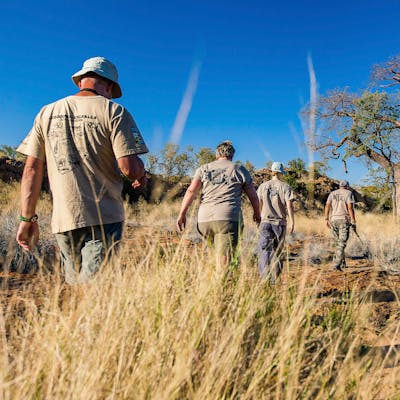
Hands-on conservation courses in Africa offer something no wildlife holiday can. Want to master the ancient art of bushcraft? Or learn to use state-of-the-art wildlife tracking technology? How about discovering what it takes to be a game ranger in the rugged African wilderness?
Exclusive to African Conservation Experience, our conservation courses blend practical learning with real conservation work. They take you behind the scenes and into the field, giving you the chance to learn new skills, understand how wildlife conservation works in practice, and experience Africa's wildlife and landscapes through a genuine conservation lens. It's what makes these courses a natural part of ethical wildlife travel in Africa, rather than just another trip.
Roll up your sleeves. Pick up new skills.
Explore our conservation courses in Africa.
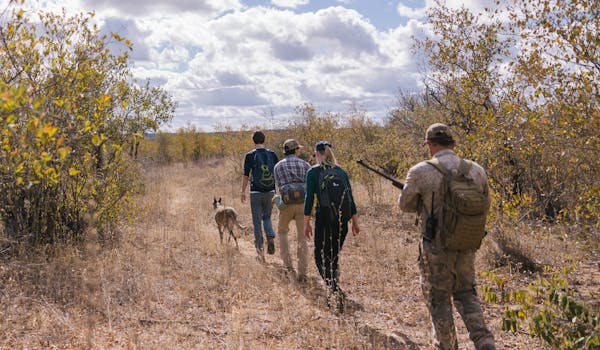
Led by experienced rangers, learn how to track animals, master bushcraft and understand wildlife behaviour
View details for Game Ranger Conservation ExperienceCare for orphaned rhinos at a specialist centre and collect vital data to contribute to long-term rhino protection
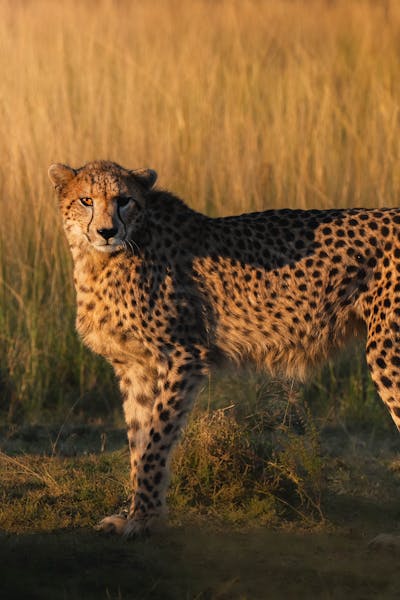
View details for Rhino Conservation AdventureExperience for yourself the adrenaline-fueled world of wildlife capture and relocation
View details for Wildlife Capture And Relocation ExperienceClick the button to access your free guide. We've also sent it to your email.
Inside: the 8 red flags that reveal exploitation, the 10 green flags that prove genuine conservation, and the questions to ask before you book.
Download nowDiscover how our conservation courses offer hands-on, field-based learning in Africa.

Get more 1-2-1 time with experts and gain genuine insights.
Master the foundations of wildlife conservation in one adventure.

Join a specialist team and contribute to real conservation.
Experience the real Africa, far from the tourist crowds.
Discover her iconic nature and connect with local cultures.

Join leading projects aligned with WWF, EWT and UN SDGs.
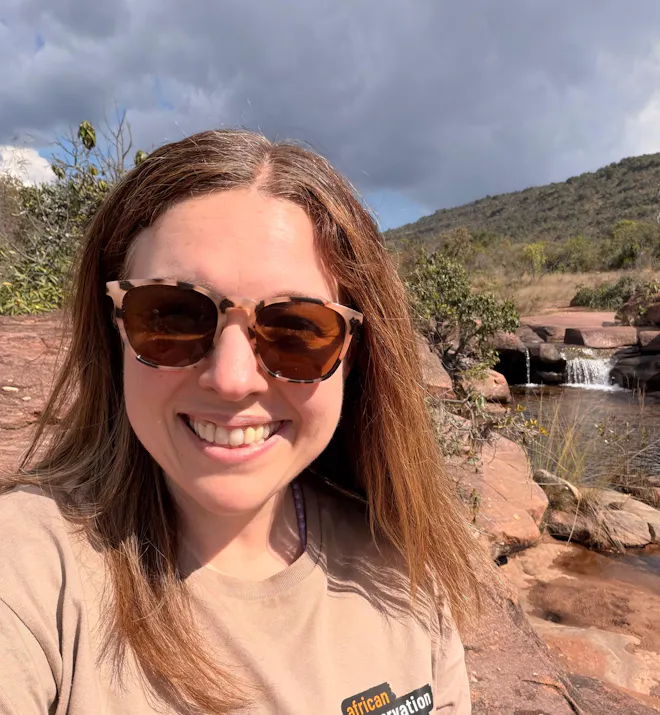
The experiences led me to form so many new perspectives about interconnectedness, and the value that must be placed on nature and wildlife for it to be preserved and protected.
Read Michelle’s Story
Seeing wildlife in its natural habitat brought a totally new perspective to my love for animals. It was wonderful how my understanding of conservation developed during my time volunteering.
Read Jennie’s Story
I travelled with African Conservation Experience (ACE) for my school studies, and to see whether a career in conservation could be right for me. I feel like I’ve made a real positive impact, and helped to conserve the wildlife and the land here.
Read Kai’s Story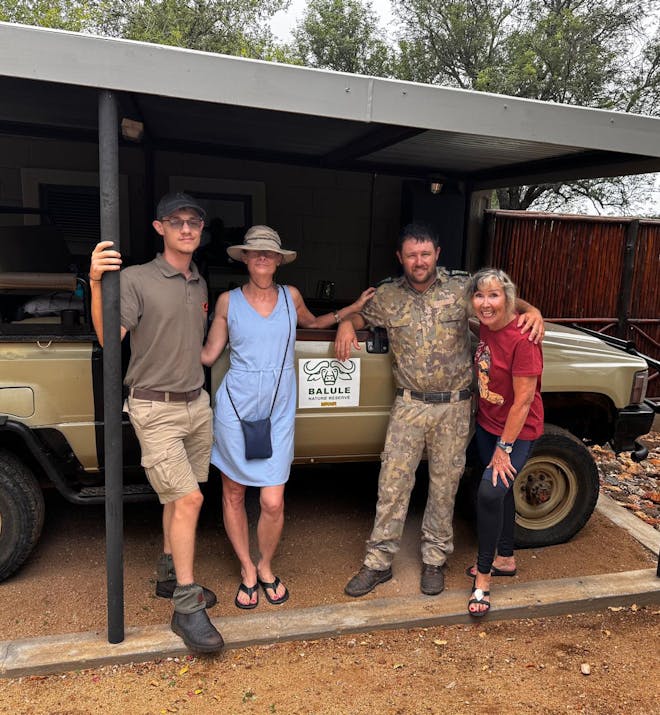
We completed monitoring drives and recorded various animal sightings. I really appreciated how much effort went into answering my questions.
Read Carrie’s Story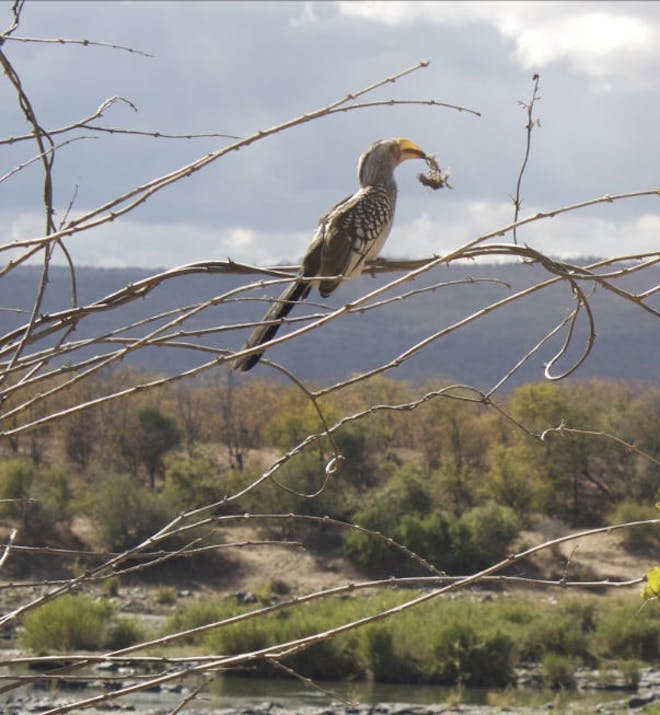
ACE gives students the eye-opening opportunity to gain on the ground perspectives about conservation issues, such as the rhino poaching crisis, that can be difficult to understand and appreciate fully from a distance.
Read Writtle’s Story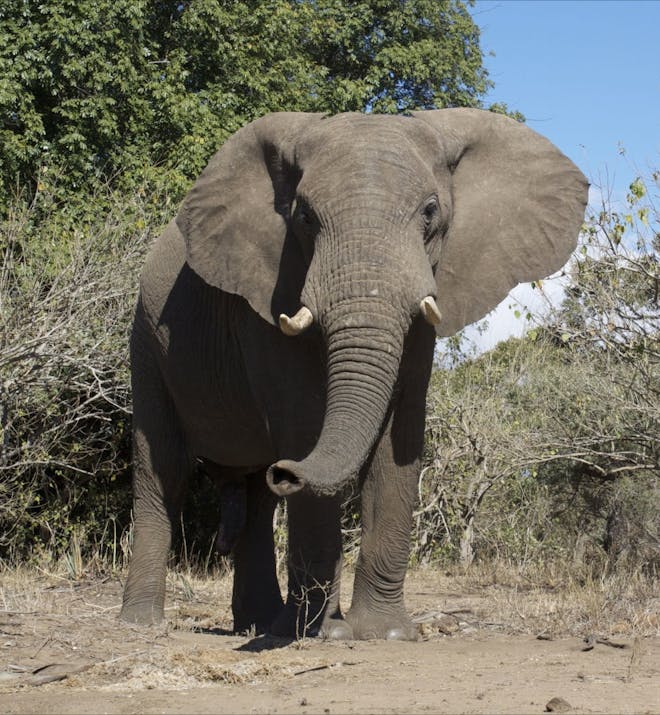
There have been a lot of highlights during my trip. One of the most memorable would be getting to observe elephants drinking water out of a pool near our camp.
Read Georgie’s Story
This trip has confirmed my desire to pursue conservation as a career and has shown me that I want to support real wildlife projects and learn directly from those who work in conservation.
Read Sophie’s Story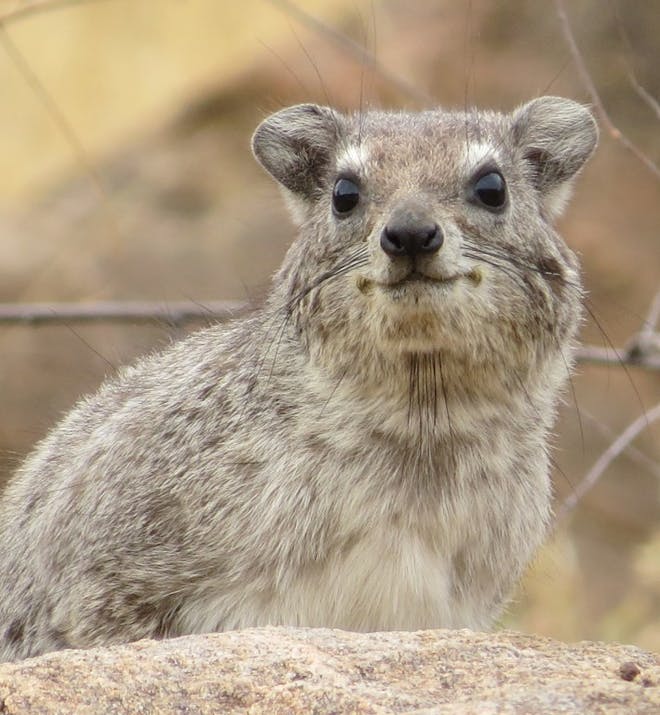
I've volunteered with African Conservation Experience (ACE) twice now, and it's been an amazing experience both times. It feels like a second home to me. Everything about the program is perfect, from the incredible locations to the volunteer work.
Read Maria’s Story
The most important thing I have learnt from this experience is to slow down and take everything around you. Volunteering at The Game Ranger Experience and having time away from social media and my phone has helped me as a person. It has also made me realise a lot about myself.
Read Laura’s Story
Every step of the way ACE was there for me, from the first phone call to arriving back in the UK after I finished my experience.
Read Natasha’s Story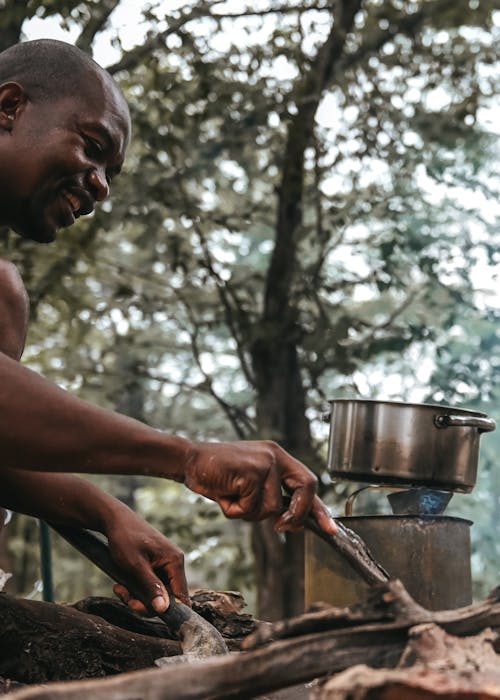
Cooking at base camp
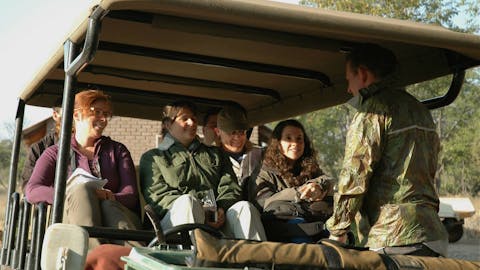
If you’ve ever longed to get closer to nature - and we mean, really closer - then Africa is the place to do it. Our conservation short courses take you beyond the tourist trails and straight into the heart of wild spaces, where you’ll learn bushcraft, tracking, and gain genuine insights from the people who live and breathe conservation. This isn’t just about watching wildlife from a vehicle - it’s about understanding the land, the animals, and the delicate balance that enables them to thrive.
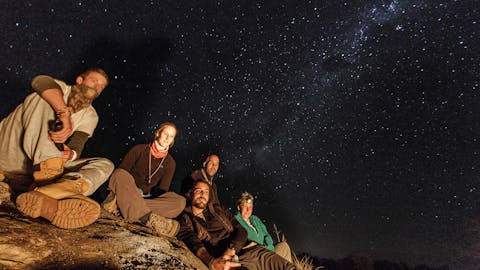
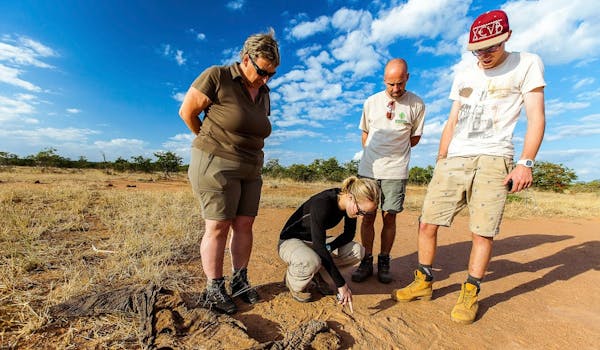
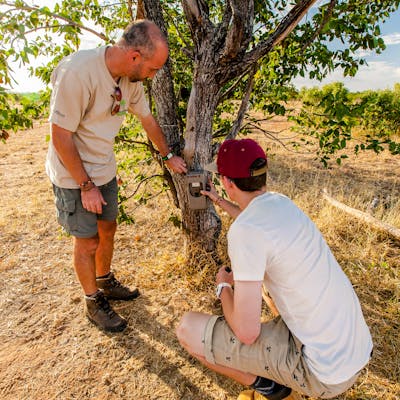
Working alongside expert guides and conservation teams, you’ll pick up practical skills you’ll carry for life. Whether you’re learning how to read animal tracks, identifying plant species, setting up camera traps, or cooking on the coals under the African night sky, every day is filled with discovery, and it's the kind of learning that stays with you because it's real.
You don’t need any experience to start a wildlife conservation course, just a sense of adventure. Our conservation short courses are designed for people who want to do something different. They’re ideal if you’ve never studied conservation but always wanted to understand how it works, or if you're curious about doing something more meaningful with your travel.
You’ll be welcomed as part of a team, not a tourist, and given the chance to get your hands dirty with practical conservation tasks that actually matter - like monitoring wildlife populations, assisting with reserve maintenance, or supporting anti-poaching efforts. It’s a short step out of your normal life, but it could spark a whole new direction, or simply give you a powerful new perspective on the planet.
This isn’t something you do alone. From the moment you arrive, you’ll be guided by local conservation professionals, expert trackers, and seasoned wildlife guides who’ve dedicated their lives to protecting Africa’s iconic landscapes and species. They don’t just teach you. They mentor, share stories, and help you feel part of something bigger.
You’ll also be supported by our own in-country team, who make sure every detail is taken care of. Whether you're a solo traveller or with a friend, you'll quickly become part of a small, tight-knit group. Many people leave our conservation short courses with new friendships and a renewed sense of purpose, not to mention memories that stay with them forever.
Not at all! Our courses are designed to be accessible for anyone with a passion for wildlife and a willingness to get stuck in. Many of our participants are complete beginners with no formal background in conservation. You’ll be taught everything you need to know on the ground, by experienced professionals who love to share their knowledge. Whether you're 18 or 68, this is your chance to get involved in real conservation work - no prerequisites required.
You can join a project for as little as 1 week, or stay for up to 12 weeks or more. There’s flexibility to make the most of your practical conservation journey, at a Single project or a Combined experience.
It’s definitely not your average holiday. While there are moments of awe and adventure, this is a hands-on experience where you’ll be actively contributing to conservation initiatives. You’ll still have downtime to relax and enjoy your surroundings, but you’ll be learning and working alongside professionals every day. Think of it as purposeful travel, with dirt under your fingernails and stories worth telling.
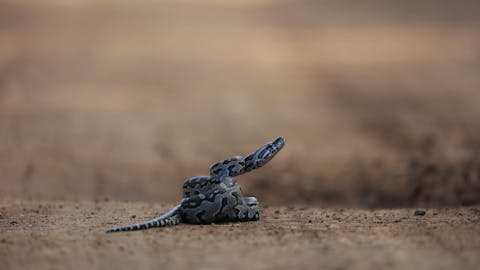
Our programs are based in carefully selected conservation areas across southern Africa. These are some of the most biodiverse and ecologically significant regions on the continent, home to iconic species like elephants, rhinos, leopards, and wild dogs.
A wide mix of people join our conservation courses. From solo travellers in their 20s, 30s and 40s to people taking a career break or fulfilling a lifelong dream. Many have never done anything like this before but want to experience Africa in a deeper, more meaningful way. What they all share is a curiosity about wildlife, a respect for nature, and a desire to learn by doing.
Take the first step on your adventure by simply submitting an enquiry form. We offer a variety of programs in southern Africa. You can visit a Single project or even combine multiple projects to create an exciting Combined experience. You can find out more about how we take time to create a customised African Conservation Experience that’s just right for you here.
We can't wait to speak with you about the best conservation courses in Africa!