WILDLIFE VOLUNTEERING: THE RED FLAGS MOST PEOPLE MISS
Get the free guide
GVI Conservation Programme Or Internship Cancelled? How We May Be Able To Help
If your GVI conservation programme or internship has been cancelled, we’re really sorry you’re having to deal with this.
For many people, this won’t just be a cancelled trip. You may have saved for months, taken on extra work, booked flights, arranged time off, planned around university dates or built part of your gap year, career break or professional development around the experience.
We’ve been contacted by a number of people affected by GVI’s closure, so we’ve put this page together to help you understand what to do next and whether African Conservation Experience (ACE) may be able to help.
We won’t be the right alternative for everyone. ACE specialises in wildlife conservation experiences in Africa, so we cannot replace every type of GVI programme or internship.
However, this page may be useful if you were due to travel to South Africa for a wildlife conservation programme, particularly in the Limpopo region of Greater Kruger, accessed via Hoedspruit airport.
It may also be relevant if you were planning a wildlife conservation trip elsewhere and would now consider Southern Africa as an alternative.
Unfortunately, we can’t advise on GVI refunds, claims or the liquidation process. But if you want to take part in a wildlife conservation experience in Africa, we can help you explore what may realistically be possible.

What should you do first if your GVI programme or internship has been cancelled?
Before making any new travel plans, take a moment to get everything in order.
1. Save your GVI documents
Keep copies of anything connected to your booking, including:
- your booking confirmation
- invoices and payment receipts
- emails from GVI
- programme details
- flight confirmations
- insurance documents
- any messages confirming the cancellation
You may need these if you make a claim through the liquidation process, your payment provider or your insurer.
2. Follow official GVI and liquidator guidance
GVI has said affected participants will receive formal communication about the liquidation process and how to lodge a claim.
Check the email address you used when booking, including your junk or spam folder, so you don’t miss any updates.
3. Speak to your payment provider
If you paid by credit card, debit card or another payment provider, contact them directly and explain that GVI has entered liquidation and is no longer able to deliver your programme.
They should be able to tell you what options may apply to your situation.
4. Check your travel insurance
Look at your policy to see whether it includes cover for cancellation, supplier failure, insolvency or travel disruption.
If you’re unsure, contact your insurer directly and explain what has happened.
5. Don’t rush into another booking
It’s understandable to want to rescue your travel plans quickly, especially if you already have flights booked.
But before committing to another programme, make sure you understand your financial position and what is realistically possible.
We can’t advise on refunds, claims, chargebacks or the liquidation process, and we’re not connected to GVI.
But if you still want to travel, especially if you already have flights booked, we can help you look at whether there may be a realistic wildlife conservation alternative in Southern Africa.

Participants helping to collect data on an elephant whilst it is under sedation
Can ACE offer an alternative to my GVI trip?
Sometimes, but not always.
African Conservation Experience is not connected to GVI, and we do not offer any of the same programmes. We specialise in wildlife conservation in Africa, and our experiences are exclusive to us.
So we won’t be the right alternative for every cancelled GVI programme or internship. If you were due to travel outside Africa, or join a teaching or community project, we may not be the right fit.
But if the part of your GVI trip that mattered most was wildlife conservation, we may be able to help you explore a relevant alternative.
ACE works with carefully selected projects across Southern Africa, all assessed for genuine conservation value, animal welfare standards and ethical practice.
That means you’ll be working alongside qualified conservation professionals, not just former volunteers, on projects that make a measurable contribution to wildlife conservation in Africa.
Depending on your interests, stage of study or career goals, we may be able to help with internships, placements and volunteering opportunities across:
- hands-on animal care at wildlife rehabilitation centres, orphanages and sanctuaries
- conservation work on ethically managed reserves
- opportunities in large, intact ecosystems like the Okavango Delta for those who want to experience genuinely wild Africa
- wildlife veterinary placements, where suitable participants can learn how veterinary work supports conservation, working under professional supervision
You don’t necessarily have to choose just one project.
If dates, availability and budget allow, we can help you combine different conservation environments - for example, a wildlife rehabilitation project with time on a reserve or in a larger ecosystem - with the travel logistics between projects handled by our South Africa team.
There are still practical differences to consider. Our projects may have different changeover days, durations, travel arrangements, costs, inclusions, accommodation and availability from the programme you originally booked.
If you already have flights, especially into Hoedspruit, Johannesburg or another South African airport, we’ll do our best to see whether there is a realistic way to work around them.

A group of participants posing for a selfie whilst on a game drive
What alternative conservation projects and internships can ACE offer?
If you were due to travel to the Limpopo region of Great Kruger, and particularly if you already have flights booked into Hoedspruit, the most relevant ACE options are likely to be in the same wider region.
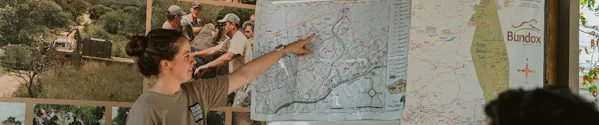
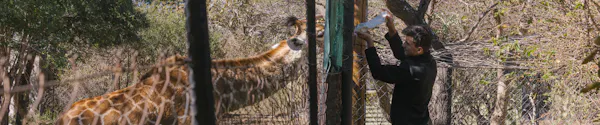
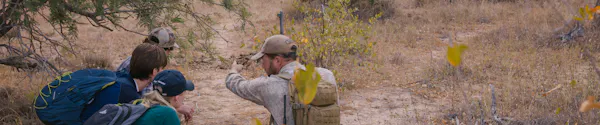
Umsele Field Conservation Project, Moholoholo Wildlife Rehabilitation Centre and Vikela Kruger Conservation Experience are all in Limpopo, within the Greater Kruger region, and can be reached from Hoedspruit.
They are not the same programmes GVI offered in the area, so the day-to-day experience, dates and structure will be different. But they will be strong alternatives if you already have flights booked and still want to take part in wildlife conservation work in South Africa.
Other wildlife conservation experiences in Southern Africa
If you can change your flights, or you are open to rethinking your original destination, ACE can also help you explore other conservation experiences across Southern Africa.
For example, the Phinda Wildlife Research Project offers wildlife research and monitoring on a Big 5 reserve, including work that directly supports the wider metapopulation conservation of rhinos and cheetah, the protection of vulnerable pangolins, and the management of lion and elephant populations to ensure ecosystem harmony.
The Okavango Wilderness Project in Botswana offers a completely different kind of experience in one of Africa’s last intact ecosystems. In a vast, remote landscape that is home to elephants, wild dogs and many other species, volunteers support wildlife monitoring that informs conservation decision-making at government-level,
For those interested in veterinary conservation, the Shimongwe Wildlife Veterinary Expedition offers exposure to the role veterinary teams play in wildlife management, immobilisation, relocation, disease management and anti-poaching work.
And for people looking for a more hands-on animal care role, Golola Rhino Orphanage and Rehabilitation Centre offers the chance to support the care and rehabilitation of orphaned or injured rhinos, with close supervision from experienced conservation professionals.
You also don’t necessarily have to choose just one project.
If dates, availability and budget allow, ACE can help you combine different conservation environments, such as a wildlife rehabilitation centre, an ethically managed reserve and a large intact ecosystem, so you gain a broader understanding of conservation work in Africa.
We’ll arrange the on-the-ground logistics between projects, so you do not have to piece the journey together yourself. Our South Africa-based team will meet you at the airport and look after you throughout your stay.
Where possible, we’ll help you build something that stays as close as realistically possible to the trip you had planned.
And if you’d rather use this moment to rethink your options, we can help design something more bespoke around your interests, goals and the kind of conservation experience you now want.

Why choose ACE after your GVI programme has been cancelled?
If your GVI programme or internship has been cancelled, it’s completely understandable if you feel nervous about booking with another company.
You may have already paid once. You may still be waiting to understand whether you’ll get your money back.
So before you commit to anything else, it’s reasonable to ask: what protection do I have if something goes wrong?
Your booking with us is financially and legally protected
All trips booked with African Conservation Experience are financially protected through either ATOL or ABTA. We will explain which protection applies when you book, and it will be stated in your booking documents.
If we were to cease trading before your experience, you would receive a refund of the money you had paid us for your trip.
If this happened while you were already travelling, funding and support would be available to help you complete your trip or return home, depending on the circumstances.
Eligible trips that include flights arranged by us are protected through ATOL. When ATOL protection applies, you will receive an ATOL Certificate confirming what is covered.
Other trips are financially protected through ABTA.
African Conservation Experience is an ABTA member. Our membership number is Y6702, and you can find us on the ABTA member register.
ABTA membership also requires us to follow its Code of Conduct, which sets standards for the information we provide, how we manage your booking and how we handle problems or complaints.
If we cannot resolve a complaint ourselves, you may also be able to use ABTA’s independent dispute-resolution service.
Because ACE is a UK-based tour operator, the packages we arrange are covered by the UK Package Travel Regulations 2018.
These protections apply regardless of where in the world you live and give you legal rights if significant changes are made to your booking or the agreed services are not provided.
You can read a fuller explanation on our Financial and Legal Protection page.
Real conservation, not just a volunteer placement
Financial protection matters. But so does the quality of the experience itself.
ACE specialises only in genuine wildlife conservation experiences in Africa.
Every project we work with is assessed for conservation impact, animal welfare standards and ethical practice.
This matters because, across the wider volunteer travel sector, not every project described as “conservation” makes a meaningful contribution to wildlife.
Some programmes are designed primarily to attract paying volunteers, rather than because the work is genuinely needed for conservation. That can lead to tasks that look purposeful, keep people busy and feel meaningful in the moment, but have little long-term conservation value.
In some cases, visitor access is also put ahead of animal welfare, with experiences built around close contact, handling, feeding, walking or photo opportunities that may be enjoyable for people but stressful, unnatural or harmful for the animals involved.
Others use the language of conservation without the standards, expertise or accountability to support it.
For these reasons, ACE evaluates every project against our own 7-point conservation standard, covering:
- conservation impact
- animal welfare
- wildlife populations and ecological context
- participant roles
- community and economic context
- operational sustainability
- ongoing review
But this is not just a desk-based assessment.
We build long-term relationships with our project partners, visit and assess projects in person, and keep in regular contact with the people running the work on the ground. In some cases, ACE staff are directly involved in supporting or helping to develop the projects we work with.
That matters because we don’t simply list projects and send people to places we haven’t properly assessed.
The aim is simple: to make sure your time, money and energy support work that genuinely matters.
We’ll help you build the right conservation experience
ACE is led by people with real conservation expertise and a deep understanding of conservation work in Africa. We’re not simply matching names to available projects.
We’ll talk to you about what originally drew you to your GVI programme, what you hoped to learn or contribute, and what kind of conservation experience you want now.
That might mean helping you build something as close as realistically possible to your original plans.
Or it might mean using this moment to rethink your options completely and create something more personal around your passions, interests, study goals or career ambitions.
That could involve one project, or it could mean combining different types of conservation work in very different environments, from wildlife rehabilitation centres to ethically managed reserves and large, intact ecosystems.
We’ll handle the on-the-ground logistics to get you from one place to the next, and you’ll be looked after by our local South Africa team throughout your experience.
Before you make any decision, we’ll explain what is included, what is not included, how your booking is protected, what support you receive before you travel, and who looks after you on the ground in Africa.
FAQs
What happened to GVI?
GVI has ceased trading, leaving many people with cancelled volunteer programmes, internships and travel plans.
If you were booked with GVI, you should follow the official guidance you have received from GVI, the liquidator, your travel insurer and your payment provider.
ACE is not connected to GVI, so we cannot advise on the liquidation process or your individual claim.
Can ACE help with my GVI refund or liquidation claim?
No. African Conservation Experience is not connected to GVI and cannot help with refund claims, liquidation claims, chargebacks, insurance claims or legal advice.
You should speak directly to the official parties involved, such as the liquidator, your bank or credit card provider, your travel insurer, and any other organisations named in the information you have received.
What we can do is talk to you about whether we may be able to help you build a new wildlife conservation experience in Africa.
Can ACE offer the same programmes as GVI?
No. ACE’s wildlife conservation experiences are exclusive to us and we do not offer the same projects as GVI.
However, if you were due to travel to the Limpopo / Greater Kruger region for wildlife monitoring or reserve-based conservation work, we may be able to offer relevant alternatives in the same region.
Umsele Field Conservation Project, Moholoholo Wildlife Rehabilitation Centre and the Vikela Kruger Conservation Experience can all be reached from Hoedspruit and are based in Limpopo, within the Greater Kruger National Park.
I already have flights to Hoedspruit. Can I still use them?
Potentially
Umsele Field Conservation Project, Moholoholo Wildlife Rehabilitation Centre and the Vikela Kruger Conservation Experience can all be reached from Hoedspruit, so your existing flights may still be useful. However, our changeover days, durations and availability may not match the arrangements you originally had with GVI.
If you already have Hoedspruit flights booked, let us know in your enquiry form. We’ll do our best to work around your existing travel plans where possible, but we’ll also be honest if the dates, budget or project availability do not fit.
Will ACE match the price of my original GVI trip?
We cannot promise to match the price of your original GVI trip.
Unlike listing platforms like GVI, ACE works differently.
We build long-term relationships with our project partners, assess each experience against our own conservation and animal welfare standards, and help build an itinerary around what you want to learn, contribute and experience.
The projects we work with are assessed to ensure they contribute to genuine, measurable conservation work, rather than simply providing activities for volunteers.
We’ll also arrange the on-the-ground logistics within South Africa, including travel between the airport, your project and any other ACE projects you combine. You’ll be met on arrival, and looked after by our local South Africa team: people who know the projects, the routes, the logistics and the wider conservation context.
Your booking is also protected through ABTA or ATOL, depending on the type of package you book.
Our prices reflect the conservation standards, preparation, arranged logistics, local team and financial protection behind the experience.
We may be comparable in cost to what you originally planned. But the final price will depend on the project, duration, dates, inclusions and availability.
Can I travel at short notice?
Sometimes, but not always.
Short-notice travel depends on project availability, your dates and the type of conservation experience you want.
If you were due to travel soon with GVI, complete our enquiry form and explain your situation. We’ll look at what may be realistic and let you know honestly whether ACE can help.
Does ACE offer internships?
Yes, where suitable.
ACE offers volunteering, placements and internship-style conservation experiences across different types of wildlife conservation work in Africa.
The Umsele Field Conservation Project, for example, can support both volunteering and internship-style experience, making it particularly relevant if you were originally looking for a conservation internship involving wildlife monitoring, field research and practical data collection.
Depending on your goals, we may also be able to help with experiences linked to wildlife rehabilitation, reserve management, large ecosystem monitoring, or wildlife veterinary conservation.
Does ACE offer teaching or community programmes?
No. ACE specialises in wildlife conservation experiences in Africa.
Some of the projects we work with may have important community, education or local employment dimensions, because conservation does not happen in isolation from people. But we do not offer standalone teaching, childcare, construction or general community volunteering programmes.
If your cancelled GVI programme was mainly a teaching or community project, we don’t offer comparable experiences.
What if I was due to travel somewhere other than South Africa?
ACE may still be able to help if the part of your original trip that mattered most was wildlife conservation, and you are open to travelling in Southern Africa instead.
We work with conservation projects in different environments, including wildlife rehabilitation centres, ethically managed reserves and large, intact ecosystems such as the Okavango region in Botswana.
However, we will not be the right replacement for every cancelled GVI programme. If your original plans were outside Africa, or focused on something other than wildlife conservation, we may not be the best fit.
Should I wait until I know whether I’ll get a refund?
That depends on your situation.
It is sensible to understand your financial position before making another commitment, especially if you are waiting for information from the liquidator, your insurer, your bank or your credit card provider.
You do not need to make a rushed decision. If you would like to understand what ACE may be able to offer, you can still complete our enquiry form and speak to us. We’ll talk through what may be possible, but we’ll never pressure you to book before you are ready.