WILDLIFE VOLUNTEERING: THE RED FLAGS MOST PEOPLE MISS
Get the free guide

Before I came to South Africa, I thought I knew what conservation looked like. I’d seen the documentaries and imagined the big wildlife moments. But volunteering with African Conservation Experience showed me something very different and much more real.
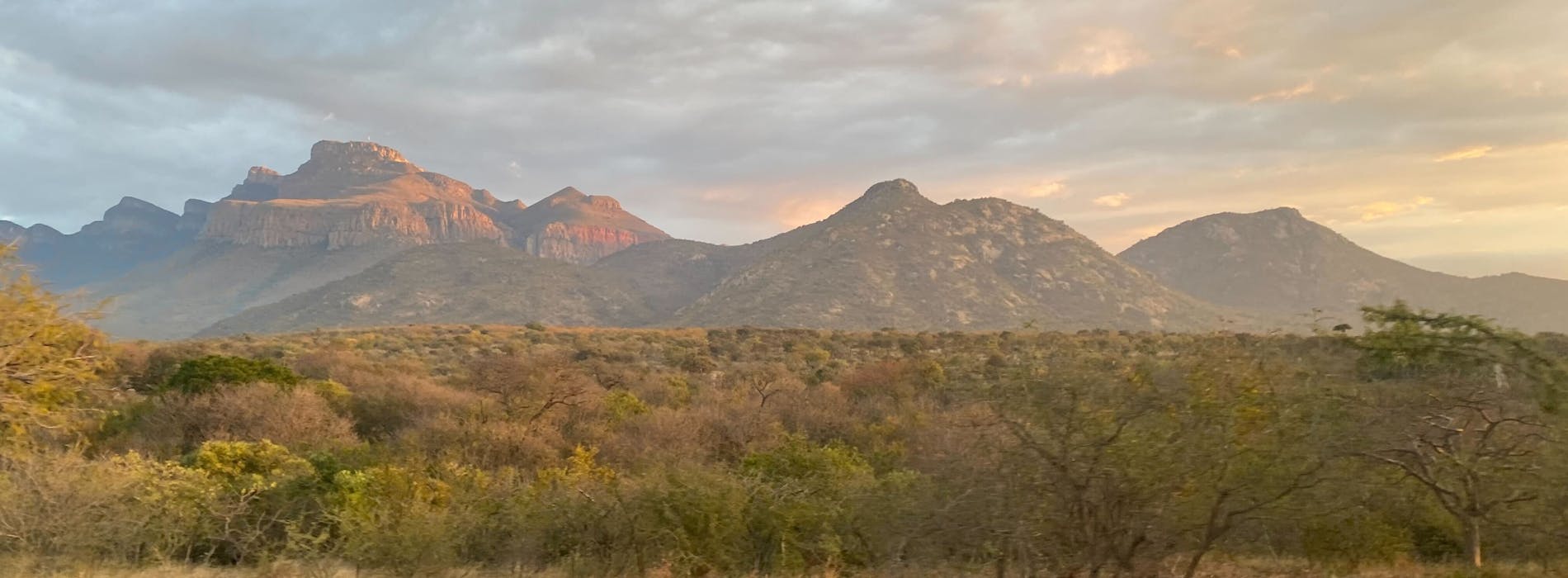
I spent my first week at Vikela Kruger Conservation Experience, and from the start, it felt special. It was quiet, impactful, and simple in a way I’d never experienced before. There were no tourists, no crowds, just us and the bush.
That gave me the strong impression of what conservation should look like… to keep low impact and to try to blend into our ecosystem.
Living that way made me reflect on how little you actually need. We collected firewood, hand-washed clothes, and even fixed pipes leading to a waterhole so animals could drink clean water. It was hard work, but meaningful.
It feels good to see how you can actually help here!
The learning at Vikela stayed with me the most. On-foot tracking taught me to pay attention to the smallest details, and I loved seeing how practical bush skills really are. One moment I’ll never forget was learning how the guide read the wind using ashes.
It was pretty amazing… we were in the wild in Kruger.

My second week took me to Phinda Wildlife Research Project, which felt like a completely different world. There was now other vehicles and guests, which was different from Vikela, but as the week went on, my perspective changed. I began to understand that tourism and conservation can coexist and is in fact, crucial to supporting each other!
One of the more difficult but immersive moments for me was witnessing a rhino horn trim. It was emotional and confronting. But it also made me understand the reality behind conservation decisions, and the role humans play in creating and solving these problems.
At Phinda, it really made it clear that conservation starts with people.
As at the project, supporting local communities isn’t separate from protecting wildlife, it’s essential and needs to be worked on together. People need jobs and need to see value in the surrounding wildlife. Before talking about animals, we should probably care more about the people affected by conservation, too.


Feeling inspired by Cindy Lau's experience?
Learn more about our Wildlife Travel Experiences
Stories, tips, recommendations – they’re the glue that binds our community together. So if you’re planning your trip, why not hear what previous travellers have to say?