WILDLIFE VOLUNTEERING: THE RED FLAGS MOST PEOPLE MISS
Get the free guide
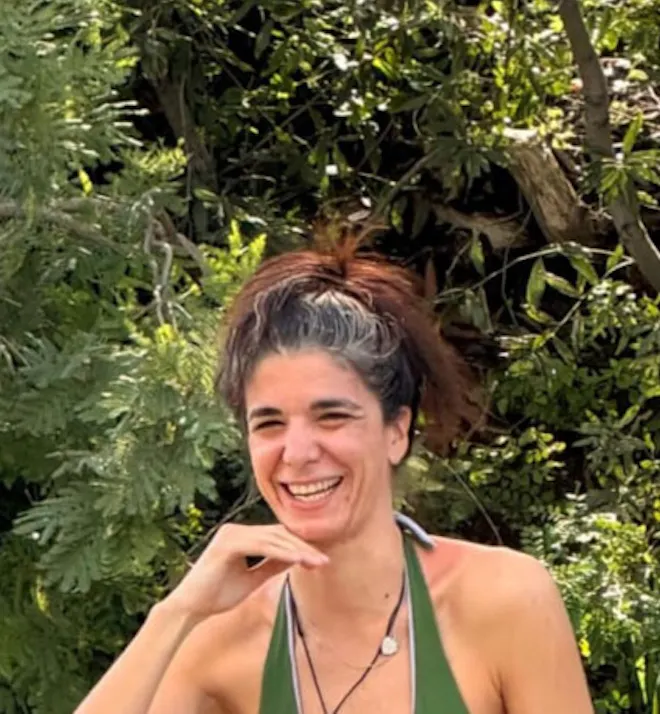
If I had to sum up my experience on the Vikela Kruger Conservation Experience in one word, it would be “Adventure”.
The work was varied and full of surprises: Once, the guide suddenly said, "In five minutes, I have to leave the camp for a brief but quite physical tracking task. It involves walking barefoot in the sand. Who wants to come?" Everyone, of course! In that case, as in others, we were explained the meaning of every action or movement: the guide's maneuvers, our contribution as volunteers, and of course, the animals themselves.
The Vikela Kruger Conservation Experience was all about learning from experience: a game between when the guide answered our questions about what we saw, and when he asked us questions that allowed us to reflect. A reflection to begin seeing how everything in the bush is truly connected: not only plants and animals (down to the smallest of insects), but also and especially the soil.
Our guide was extremely experienced both as a bush guide and in managing volunteers: through clarity, patience, and a sense of humor, he enabled us to begin to understand even complex aspects of conservation. Especially from a long-term perspective. All this without getting into right-wrong thinking, but showing the positive and potentially problematic sides of different human interventions for animal and nature protection.
This experience reminded us that we humans are originally part of this nature, even if we tend to forget it.
As well as the Vikela Experience, Elisabeth also returned to Moholoholo Rehabilitation Centre, where she learned about a recent mass-poisoning event, where hundreds of vultures in the Kruger National Park were poisoned by poachers. You can read her account of the rescue event, the threats that vultures face, and the importance of these amazing birds on her blog post.
Feeling inspired by Elisabeth Zoja's experience?
Learn more about our Wildlife Travel Experiences
Stories, tips, recommendations – they’re the glue that binds our community together. So if you’re planning your trip, why not hear what previous travellers have to say?