WILDLIFE VOLUNTEERING: THE RED FLAGS MOST PEOPLE MISS
Get the free guide
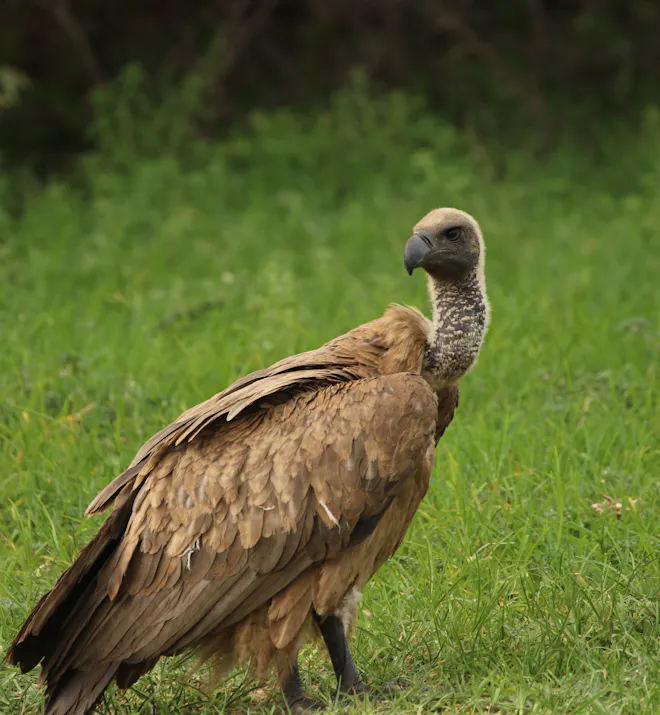
For Gemma Atherton, working with birds isn’t just a job, it’s a calling. As part of the core team at The Falconry Centre in Hagley, England, she’d spent years championing misunderstood birds from home. Last year, she reached out to African Conservation Experience (ACE) ready to take that passion abroad, and found herself joining one of South Africa’s most remarkable wildlife rehabilitation centres.
Here’s what she had to say about her five weeks at Moholoholo Wildlife Rehabilitation Centre:
How did you decide that Moholoholo was the right project for you?
I chose Moholoholo for a few different reasons. I work full-time at The Falconry Centre near Birmingham, England, so birds of prey and vultures in particular are my passion. Two of my colleagues have visited Moholoholo previously and highly recommended it.
I had an extremely helpful call with an African Conservation Experience conservation travel consultant, and we discussed a few projects. As I was specifically interested in vultures, it was this that cemented my choice; Moholoholo do a lot of vulture conservation along with other birds. My first call with ACE was instrumental in confirming that this would indeed be the best place for me to spend my time.

What was your favourite thing about volunteering at Moholoholo?
I was absolutely thrilled to find out upon my arrival at Moholoholo that the vulture mixed-species aviary would be part of my daily rounds! The vulture mixed-species aviary, ‘Vulture Mix’ for short, keeps a variety of vulture species together in the same enclosure for their behavioural development, and to mimic their natural environment as much as possible (in nature, multiple species of vultures share the same roosts).
I certainly enjoyed working with these birds the most. The staff at Moholoholo were lovely to work with, extremely helpful, very knowledgeable, passionate about their work, and genuinely concerned for the welfare of both the animals and the volunteers.
My absolute favourite part was the fact that during my first week, a juvenile Cape Vulture was brought into the centre, and I was asked to take charge of his feeding and monitoring. I nicknamed him “Hero” (because heroes wear capes!) and in my final week, he graduated from his rehab aviary into the Vulture Mix.
He settled in quickly and will learn from the others how to be a proper vulture before he gets released next summer. It was a real thrill to be able to work with wild vultures like this!
What kind of wildlife work did you get involved with at the project?
A typical day started at 6:30 am with morning rounds – as volunteers, we were split into four groups with our own set of animals to care for. I always started my rounds with a few special cases, as I was entrusted with some extra birds to care for, so I would always feed and clean these first. I’d then do my normal rounds, starting with two servals; first, I would collect any uneaten food from the day before and record what they had eaten. I would wash and refill their water bowls, then pick up faeces, and rake and tidy their enclosures. I’d usually then move on to refreshing the water bowls for the leopards and the spotted hyenas, before cleaning out an African Spotted Eagle Owl and then doing the same for the lower half of the Vulture Mix aviary.
For each animal, I would also check that they were present and correct, showing no signs of ill health, and that their enclosures showed no signs of damage or disrepair. Any problems were reported straight to the project staff.
After rounds, we would clean all our equipment, then the volunteers would come together to clean the meat room where food for the carnivores is prepared. This involved things like washing up all the food bowls, cleaning food preparation surfaces, cleaning down work surfaces, washing the sinks after use, sweeping the floors, and disinfecting everything.
We would then go for breakfast at 8:30am, after which the morning meeting with the Moholoholo staff was at 9:30am. This is when we would be told the plan for the day; usually, we were given “Big Jobs” to do, which could involve anything from cleaning out predator camps, de-weeding, washing (cleaning towels, astroturf, travel boxes, perches, equipment, etc.), finishing any jobs not done on rounds, and meat preparation. It was quite a variety of work!
Alternatively, we might be offered the chance to go into town once per week to pick up any supplies we needed, or, if we were really lucky, there might be an animal release planned that we could go and watch and/or assist with!

Watch the incredible moment when a vulture is released after recovering from an injury!
We would have lunch at around 12:30pm, then from 2pm we had afternoon activities, which could involve things like touring the facility to see the rehab animals, going out to see the local wild Hippos, feeding the wild vultures at the vulture restaurant, making enrichment activities for the animals on our rounds, or having free time to relax – I often spent this time making little crochet animals or doing a bit of watercolour painting.
At 4pm, we would start afternoon rounds, helping to prepare food for and feed some of the animals. This usually involved things like deyolking chicks or cutting up raw meat and adding supplements. After finishing rounds, we would again clean the meat room, usually finishing at around 6pm. This was a good opportunity for a shower and a change of clothes before dinner at 6:30pm, and at least once every week, we would go out to a pub or a restaurant for a more social event.
On Sundays, we were able to choose an activity to do, at our own expense.
I did three day trips to Kruger National Park, a river cruise, and even a horseback safari – despite the fact that I had never ridden a horse before!
What memories will stick with you when you think back on your trip to South Africa?
If I haven’t already conveyed my love of birds of prey, it will be the memories of working with them! I have already mentioned the vultures, and that was one of the most special things; African species of vulture are all critically endangered, and this is something I talk about a lot in my job as we try to raise awareness and support conservation endeavours.
One of the conservation methods I talk to people about is the concept of vulture restaurants – feeding wild vultures safe food to protect them from poisoning attempts. It’s something that until I went to Moholoholo, I’d only ever heard about in theory. Seeing it done in practice, watching an actual vulture restaurant and seeing the wild vultures up close, was extraordinarily special for me and something I will remember forever – and that I really miss already!
I will also never forget the baby owls I helped feed in the clinic: an African Spotted Eagle Owl and a Wood Owl, all of whom should go on to be released in the near future. There were two adult Wood Owls I worked with; one of them is blind and had to be hand-fed every day, which I thoroughly enjoyed doing. I will also fondly remember the stunning Verreaux’s Eagle, the lovely Bateleur, the Lilac-breasted Roller, the cheeky Purple-Crested Turaco, and of course, the adorable Ground Hornbill.
Would you recommend volunteering at Moholoholo?
If you love animals, are dedicated to conservation, and are willing to get stuck in with some hands-on work, then absolutely!
It was incredibly hard, both physically and emotionally, but absolutely worthwhile and something that will stay with me for life.
I was worried about doing something like this, being in my forties, but I was pleasantly surprised to find a wide range of ages volunteering and a strong sense of camaraderie despite our differing ages, backgrounds, and nationalities.
It does require a lot of physical effort, dedication, and often a willingness to do some of the dirtiest and most difficult jobs – working with animals is hard and often filthy. You cannot be squeamish; the majority of these animals are predators, and that means handling lots of raw meat and feeding it to them.
What did this trip mean for you?
This trip was, for me, the realisation of a dream to do some meaningful travel and conservation work. Rather than just taking a safari holiday, doing some boots on the ground, hands-on involvement in animal care and rehabilitation was incredibly rewarding. I came with a decent background knowledge on African birds of prey and vultures, thanks to my “day job”, but it was wonderful to learn more about the challenges faced by these species and gain a deeper understanding of the realities of the conservation work undertaken by places like Moholoholo. It was wonderful to see the genuine dedication, enthusiasm and passion the staff had for their roles and the animals in their care.
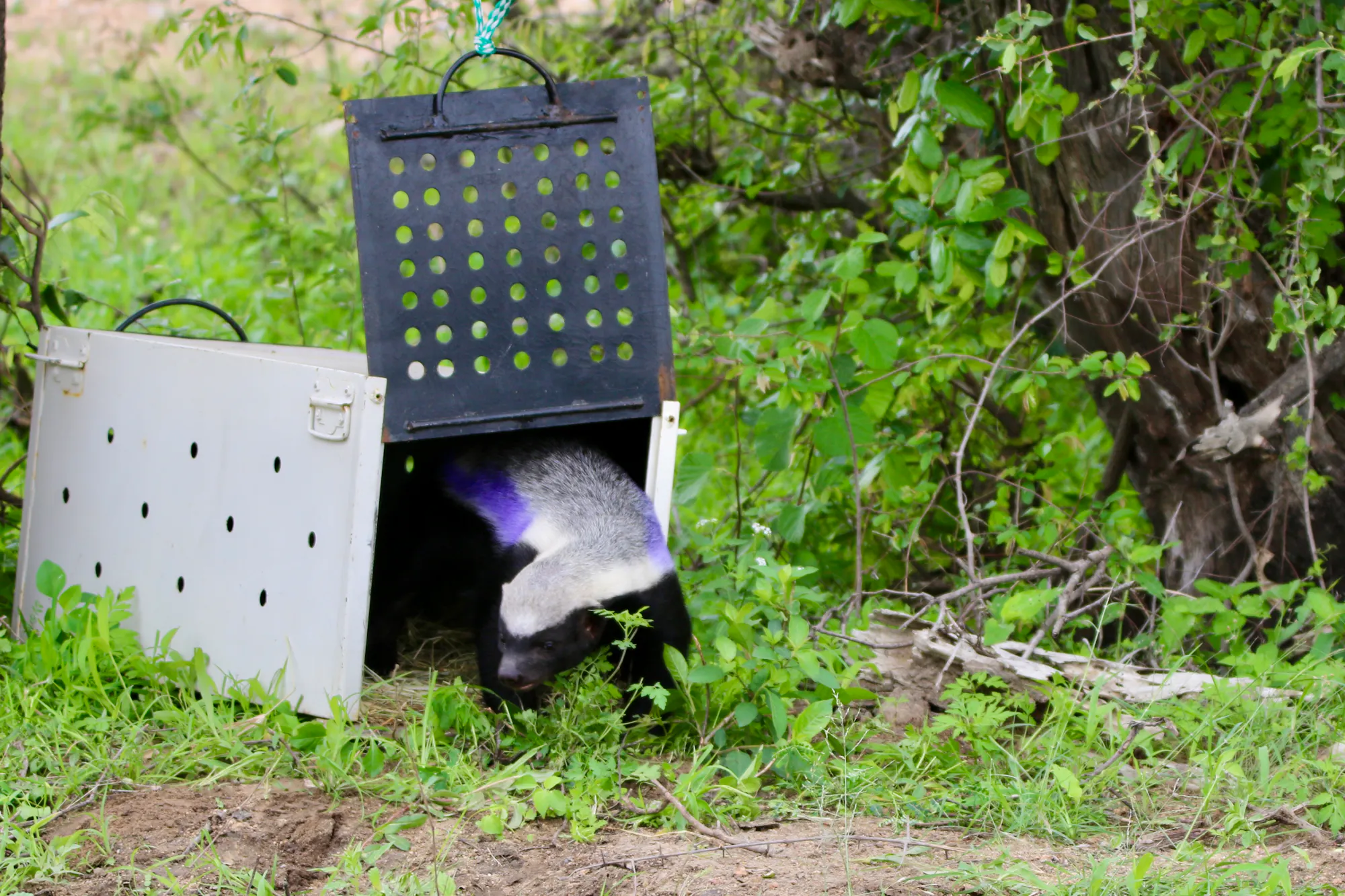
I was delighted to learn more about other species as well, particularly the servals, hyenas, honey badgers, and wild dogs.
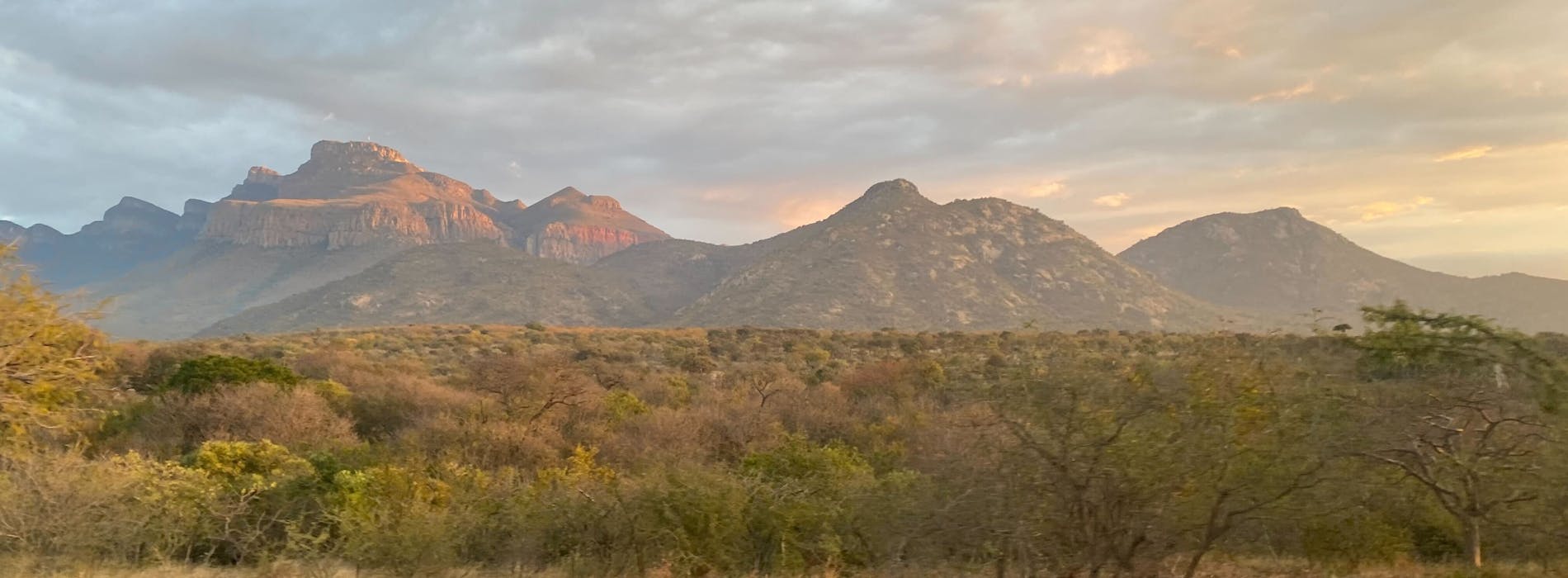
I fell in love with Moholoholo, South Africa, its people, the astonishing biodiversity, and the breathtaking scenery.
I will never forget the experiences I had here and it has been wonderful to feed some of what I learned and saw into the work I am doing back home to raise awareness and encourage engagement with conservation work at home and abroad.
Has this trip changed your perspective on conservation and Africa?
I certainly have a deeper understanding of conservation, particularly some of the nuances. It is one thing for me to say vultures are critically endangered; it is another thing to understand why, and that the problem is not just one thing (e.g. poisoning by poachers) but that there are many different factors, including cultural beliefs, socio-economics, urbanisation, and more.
I came to understand that there are no simple solutions, and it was fascinating to learn about the wide range of conservation activities underway at Moholoholo – not just rescuing and releasing sick or injured animals, but undertaking educational initiatives for children, hosting tour groups to educate the general public, funding training and qualifications for local guides, building relationships with other conservation charities such as the Endangered Wildlife Trust, engaging in re-wilding and former farmland recovery efforts, and funding activities such as animal tracking and data monitoring.
Any final thoughts?
I want to extend my grateful thanks to:
The ACE team, who made the whole booking experience straightforward and stress-free, helped endlessly in explaining my options; no question went unanswered, and their advice and assistance in organising not just the project but the transfers, hotel stay, and insurance were greatly appreciated. The ACE support team in-country ensured that I received the warmest welcome, and they were rock stars throughout my stay, checking that I was happy, well cared for, and enjoying my time at Moholoholo. I enjoyed it so much that the ACE team helped me to extend my stay for another week, and they were even at the airport to see me off on our way home. So thank you again to ACE for making me feel safe, secure, valued, and supported from the beginning to the end of my experience.
Moholoholo Wildlife Rehabilitation Centre, all the staff, interns, and my fellow volunteers. What can I say other than you are amazing, inspirational, fun, friendly, hardworking, and just the most incredible people. I am in awe of the work that you do day in and day out, no matter what. Thank you for the most unforgettable experience, for laughter, blood, sweat, tears, and everything in between! You are a credit to conservationists everywhere, and the animals in your care are some of the luckiest around.
The Falconry Centre, Hagley – my thanks also go to my colleagues for recommending the trip, encouraging me to go, helping with funding my experience, covering for me for five whole weeks when it was only meant to be four, and for just being a fantastic and supportive bunch of people!


Feeling inspired by Gemma Atherton's experience?
Learn more about our Study & Career Programs or Volunteer Experiences
Stories, tips, recommendations – they’re the glue that binds our community together. So if you’re planning your trip, why not hear what previous travellers have to say?